


Więcej o książce
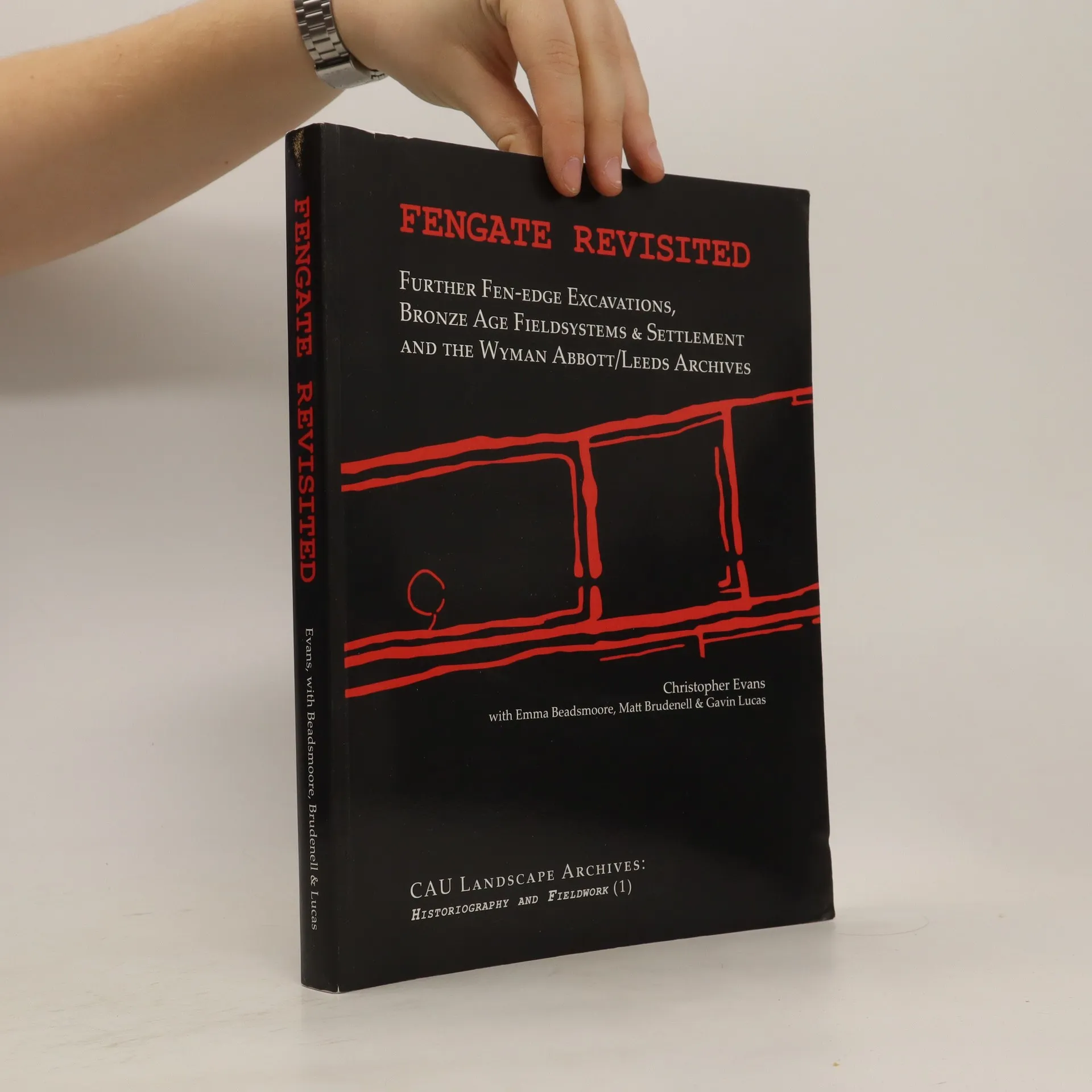
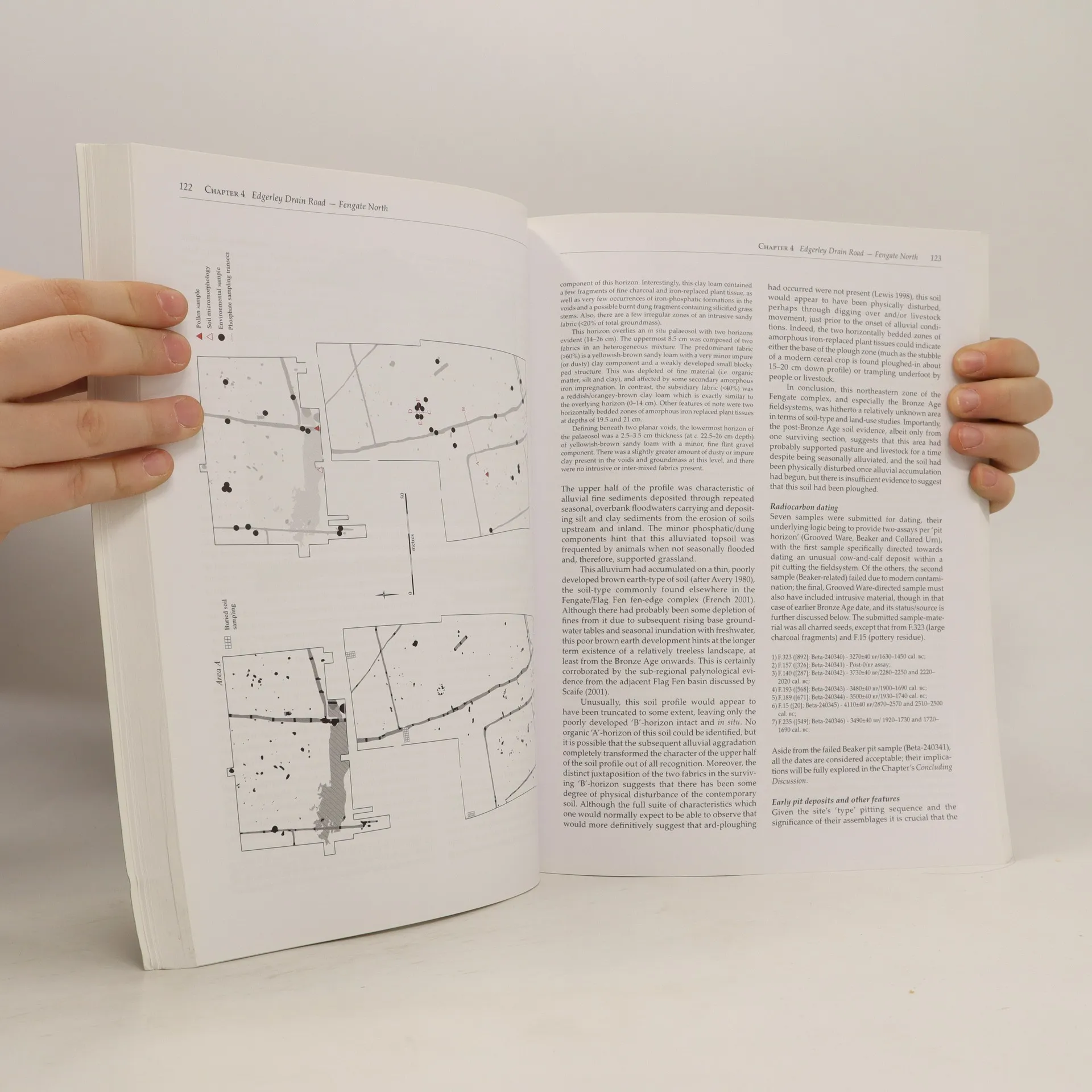
At its core, this volume reports upon three large-scale excavations at Fengate, Peterborough. These cast new light on Briton's premier Bronze Age fieldsystem and their results lead to significant reappraisal of facets of Pryor's earlier interpretations and, also, approaches to the period's land-use generally. Reflecting upon such crucial issues as the character of settlement, landholding/territory and power, their discussion is furthered by the book's summary presentation of other recent prehistoric fieldsystems projects within the East Anglian Fenlands. Indeed, greater contextual overview is provided by an in-depth interview contribution by the 'Fieldsystem Triumvirate' of the '70/80s: Richard Bradley, Andrew Fleming and Francis Pryor himself. In keeping with its series' groundbreaking directive of 'Historiography and Fieldwork', having access to Wyman Abbott's archival sources (augmented by his correspondence with E.T. Leeds), for the first time, his early 20th century investigations can now be fully incorporated with subsequent excavations. This historiographic perspective allows, moreover, for unique insights into Edwardian archaeological practices, particularly the impact of type-based methodologies - pots, pits and peoples - and even the lingering influence today of prehistoric 'type cultures' concepts.
Zakup książki
Fengate Revisited, Christopher Evans, Gavin Lucas, Emma Beadsmoore, Matthew Brudenell
- Język

- Rok wydania
- 2009
- Oprawa
- (miękka)
Metody płatności
Nikt jeszcze nie ocenił.
- Tytuł
- Fengate Revisited
- Język
- angielski
- Rok wydania
- 2009
- Oprawa
- miękka
- Liczba stron
- 283
- ISBN10
- 0954482484
- ISBN13
- 9780954482480
- Seria
- Tagi
- Archeologia
- Opis
- At its core, this volume reports upon three large-scale excavations at Fengate, Peterborough. These cast new light on Briton's premier Bronze Age fieldsystem and their results lead to significant reappraisal of facets of Pryor's earlier interpretations and, also, approaches to the period's land-use generally. Reflecting upon such crucial issues as the character of settlement, landholding/territory and power, their discussion is furthered by the book's summary presentation of other recent prehistoric fieldsystems projects within the East Anglian Fenlands. Indeed, greater contextual overview is provided by an in-depth interview contribution by the 'Fieldsystem Triumvirate' of the '70/80s: Richard Bradley, Andrew Fleming and Francis Pryor himself. In keeping with its series' groundbreaking directive of 'Historiography and Fieldwork', having access to Wyman Abbott's archival sources (augmented by his correspondence with E.T. Leeds), for the first time, his early 20th century investigations can now be fully incorporated with subsequent excavations. This historiographic perspective allows, moreover, for unique insights into Edwardian archaeological practices, particularly the impact of type-based methodologies - pots, pits and peoples - and even the lingering influence today of prehistoric 'type cultures' concepts.