


Parametry
- 272 strony
- 10 godzin czytania
Więcej o książce
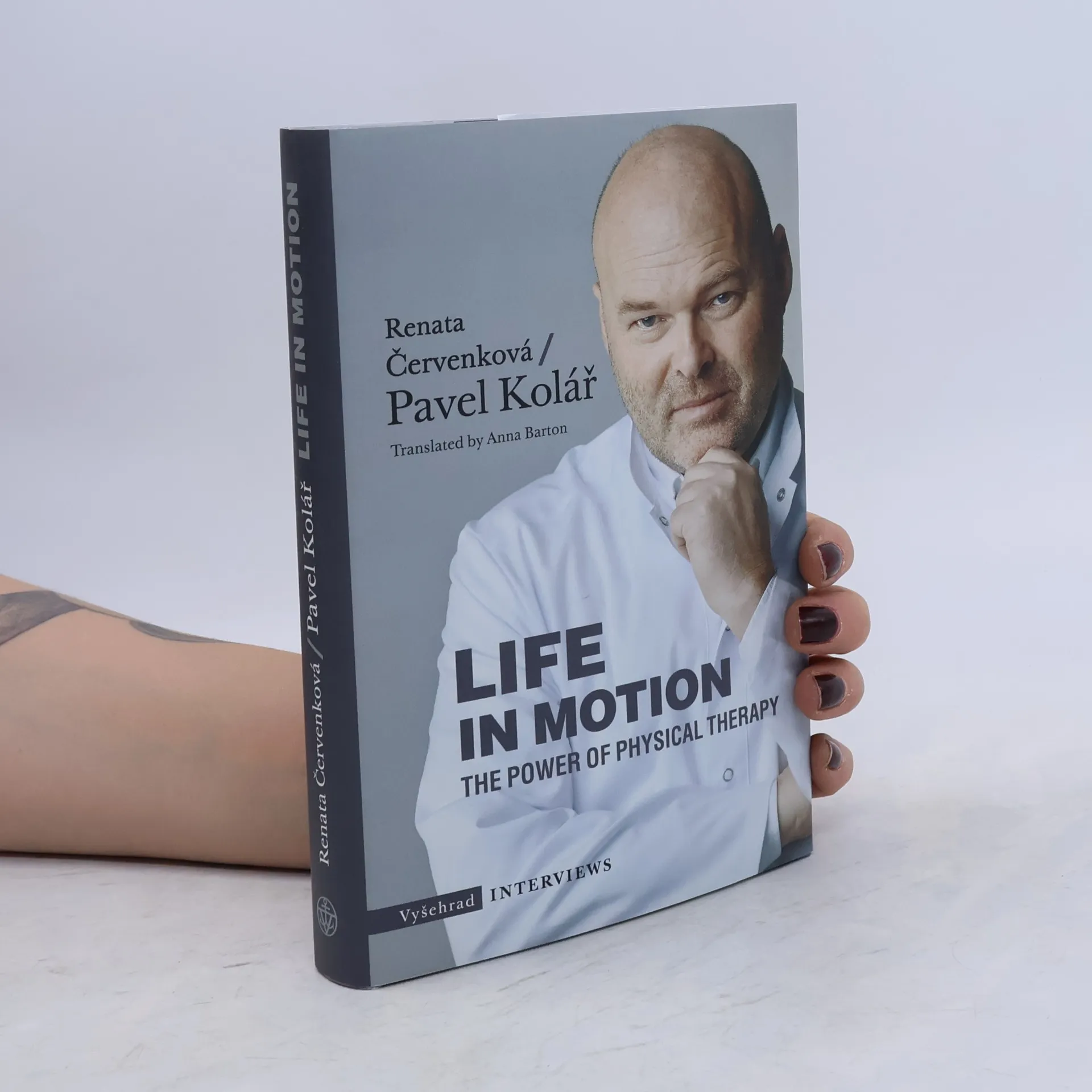
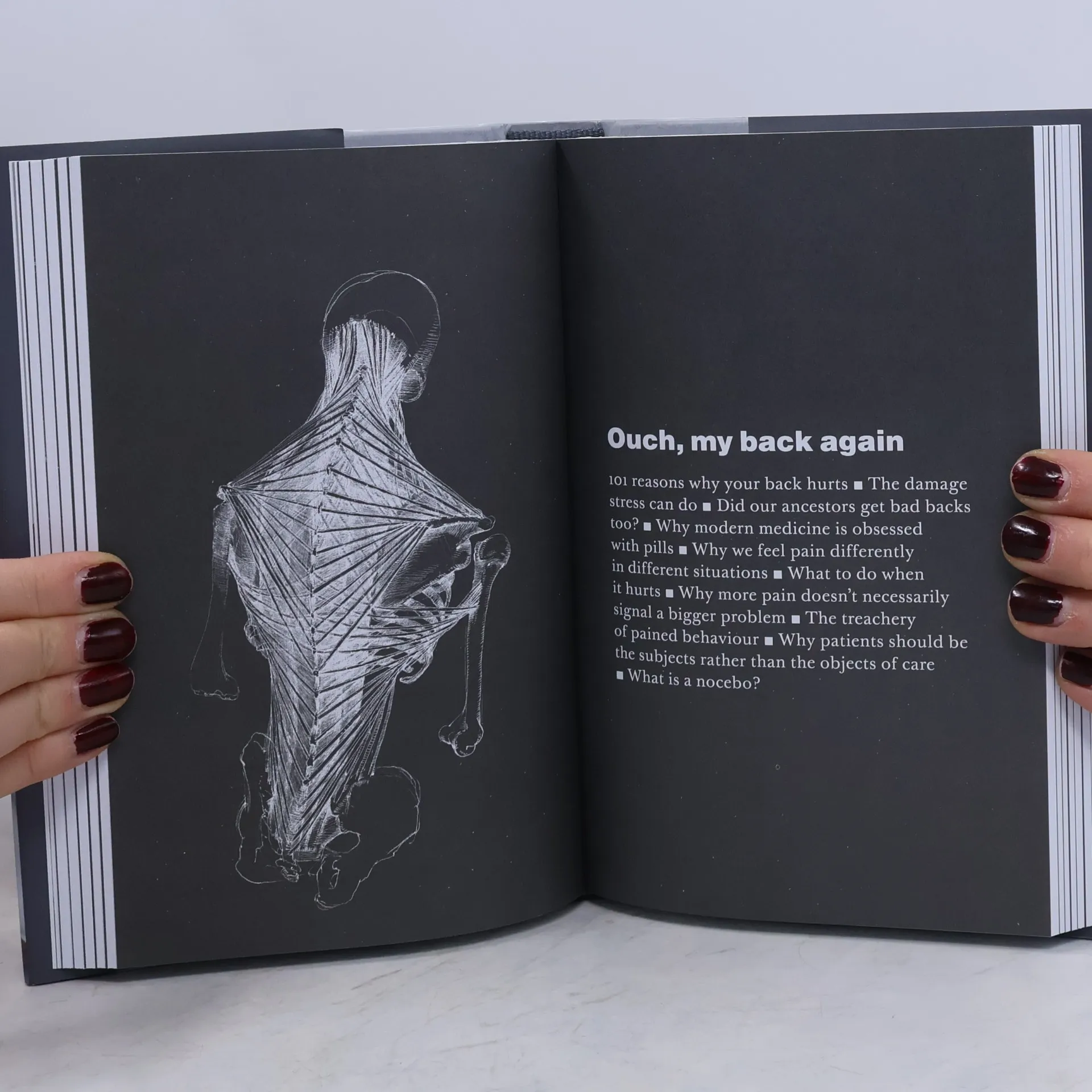
This book features a conversation with renowned physiotherapist Professor Pavel Kolář, who has dedicated over thirty years to rehabilitation and sports medicine. He asserts that we either move too little or incorrectly, resulting in a decline of movement in both life and medicine. Through insightful discussions with journalist Renata Červenková, Kolář explores the fundamental principles of human movement and its development, as well as the brain's role and factors such as genetics, stress, overexertion, unsatisfactory relationships, lack of spirituality, and the desire for enjoyment. He reveals surprising connections within our bodies, emphasizing that nothing occurs randomly, contrary to common perceptions. The book addresses intriguing questions, such as why shoulder pain can be linked to lung tumors, why a small child can outperform a bodybuilder in certain movements, and why MRI scans may not reveal the source of severe back pain. Kolář invites readers to reconsider their understanding of movement and health.


Zakup książki
Life in motion : the power of physical therapy, Renata Červenková, Pavel Kolář, Anna Barton
- Język

- Rok wydania
- 2021
- Oprawa
- (twarda)
Metody płatności
Brakuje nam tutaj Twojej recenzji.
- Tytuł
- Life in motion : the power of physical therapy
- Język
- angielski
- Autorzy
- Renata Červenková, Pavel Kolář, Anna Barton
- Wydawca
- Vyšehrad
- Rok wydania
- 2021
- Oprawa
- twarda
- Liczba stron
- 272
- ISBN10
- 8076014123
- ISBN13
- 9788076014121
- Seria
- Kolekcja
- Interviews
- Tagi
- Zdrowie & Medycyna, Poradniki, Sport, Zdrowie, Tematyka medyczna, Literatura fachowa, Opieka zdrowotna, Publikacje popularnonaukowe, Fizjologia, Fizjoterapia, Układ ruchu, Rehabilitacja terapeutyczna
- Pierwsze wydanie
- 2018
- Oryginalna nazwa
- Labyrint pohybu
- Ocena
- 4,5 z 5
- Opis
- This book features a conversation with renowned physiotherapist Professor Pavel Kolář, who has dedicated over thirty years to rehabilitation and sports medicine. He asserts that we either move too little or incorrectly, resulting in a decline of movement in both life and medicine. Through insightful discussions with journalist Renata Červenková, Kolář explores the fundamental principles of human movement and its development, as well as the brain's role and factors such as genetics, stress, overexertion, unsatisfactory relationships, lack of spirituality, and the desire for enjoyment. He reveals surprising connections within our bodies, emphasizing that nothing occurs randomly, contrary to common perceptions. The book addresses intriguing questions, such as why shoulder pain can be linked to lung tumors, why a small child can outperform a bodybuilder in certain movements, and why MRI scans may not reveal the source of severe back pain. Kolář invites readers to reconsider their understanding of movement and health.