

Parametry
Więcej o książce
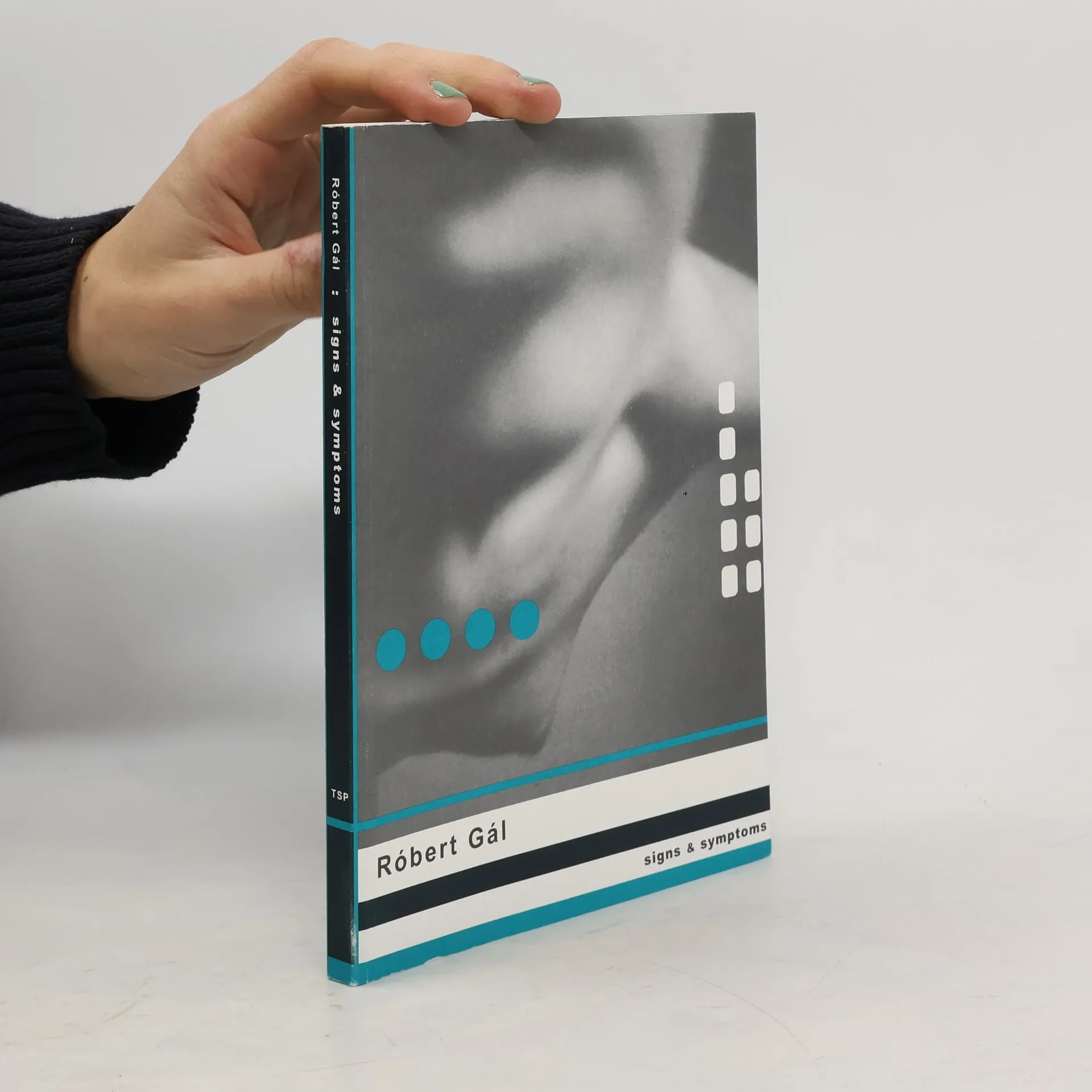
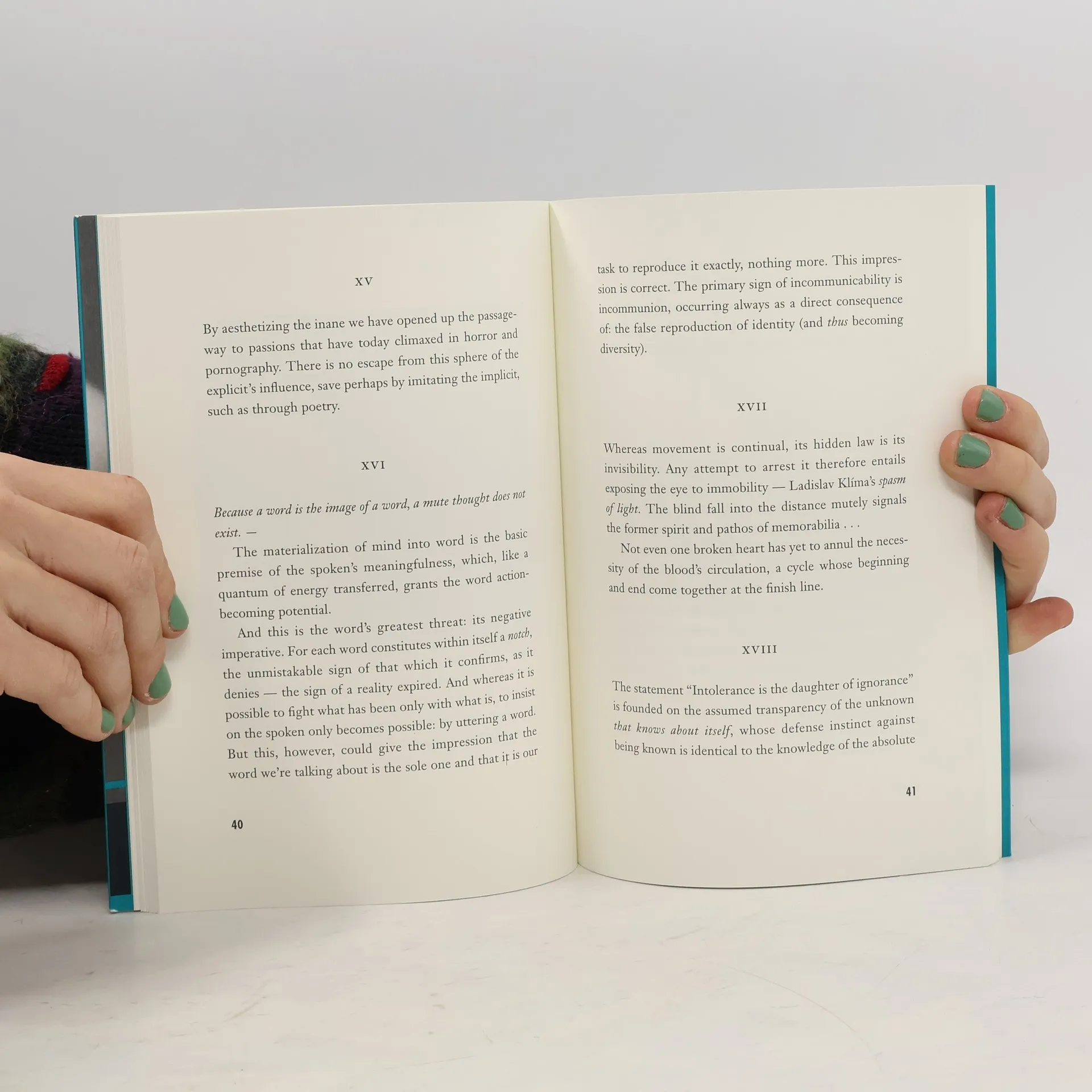
Tato kniha byla vydána českým nakladatelstvím Twisted Spoon Press, které sídlí v Praze a vydává díla českých a slovanských autorů v anglickém jazyce. Oficiální anotace nakladatele: Called “the Czech Cioran” by Andrei Codrescu, Róbert Gál is one of the freshest voices to come from Prague over the past few years. His writing is a mix of philosophy and prose poetry that explores the tenuousness of one's identity and existence. Ironical in his outlook, Gál's aim with this volume is to bring the great Romanian philosopher E. M. Cioran into the present in the same way that John Zorn, whose music provided the impetus for writing this book, brought Ornette Coleman into the present. The volume includes aphorisms and longer and shorter “philosophical” fragments. The photographs by Lucia Nimcová were taken specifically for this collection. As aptly described by well-known psychiatrist/publisher Ales Pech, Nimcová's nude self-portraits act as a “counterpoint to the philosophical denuding that is the book's basic premise.”

Zakup książki
Signs & Symptoms, Róbert Gál
- Język

- Rok wydania
- 2003
- Oprawa
- (miękka)
Metody płatności
Brakuje nam tutaj Twojej recenzji.
- Tytuł
- Signs & Symptoms
- Język
- angielski
- Autorzy
- Róbert Gál
- Wydawca
- Twisted Spoon Press
- Rok wydania
- 2003
- Oprawa
- miękka
- ISBN10
- 8086264068
- ISBN13
- 9788086264066
- Seria
- Kategorie
- Ocena
- 3,75 z 5
- Opis
- Tato kniha byla vydána českým nakladatelstvím Twisted Spoon Press, které sídlí v Praze a vydává díla českých a slovanských autorů v anglickém jazyce. Oficiální anotace nakladatele: Called “the Czech Cioran” by Andrei Codrescu, Róbert Gál is one of the freshest voices to come from Prague over the past few years. His writing is a mix of philosophy and prose poetry that explores the tenuousness of one's identity and existence. Ironical in his outlook, Gál's aim with this volume is to bring the great Romanian philosopher E. M. Cioran into the present in the same way that John Zorn, whose music provided the impetus for writing this book, brought Ornette Coleman into the present. The volume includes aphorisms and longer and shorter “philosophical” fragments. The photographs by Lucia Nimcová were taken specifically for this collection. As aptly described by well-known psychiatrist/publisher Ales Pech, Nimcová's nude self-portraits act as a “counterpoint to the philosophical denuding that is the book's basic premise.”