


Więcej o książce
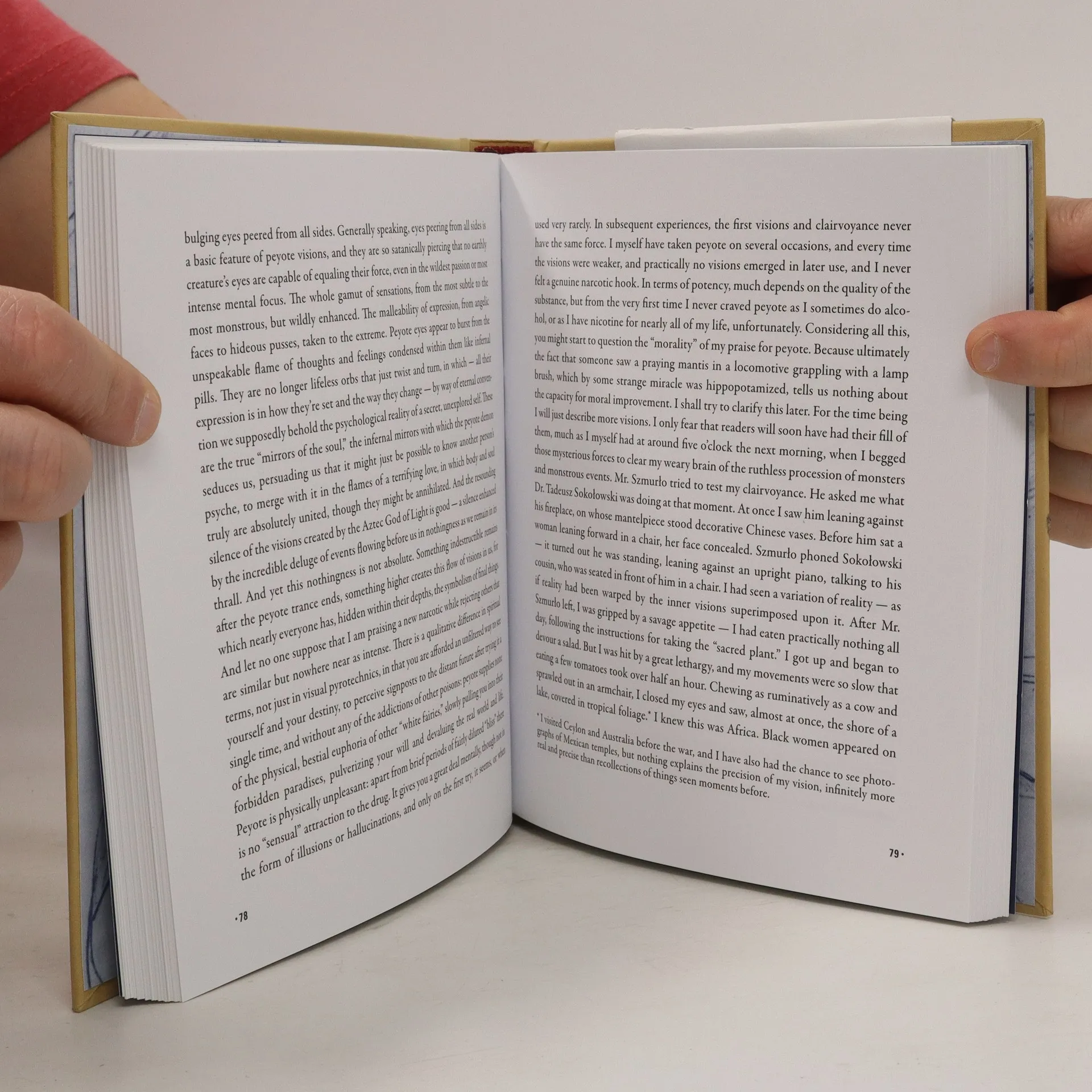
Witkiewicz established rules for his portrait work, marking paintings with symbols indicating the substances he had consumed or abstained from. Type C portraits were created under the influence of alcohol and "narcotics of a superior grade," resulting in abstract compositions he termed "Pure Form." Various drugs produced distinct distortions and effects, often reflecting the subject's preferences. Some portraits indicated the number of days without smoking or drinking, while type D works aimed for similar results without artificial means. Different substances influenced color combinations and highlighted various aspects of the subject's features or psyche, exemplified by a series of self-portraits created with beer and cocaine. Informed by earlier drug writings and anticipating future explorations of psychoactive substances, Witkacy's 1930 work discusses his experimentation and the nature of addiction, critiquing societal attitudes toward drugs deemed "acceptable." As life mechanized, he believed metaphysical experiences could only be achieved artificially, paralleling Henri Michaux's extensive visual art created under substance influence. Witkacy's acerbic, meandering prose, filled with neologisms and multilingual expressions, critiques Polish society and the art world, exposing the hypocrisy surrounding drug use. Since its 1930s publication, this work has gained cult status in Poland as a modernist classic. This edition fe


Zakup książki
Narcotics, Stanisław Ignacy Witkiewicz
- Język

- Rok wydania
- 2018
- Oprawa
- (twarda)
Metody płatności
Brakuje nam tutaj Twojej recenzji.
- Tytuł
- Narcotics
- Język
- angielski
- Autorzy
- Stanisław Ignacy Witkiewicz
- Wydawca
- Twisted Spoon Press
- Rok wydania
- 2018
- Oprawa
- twarda
- Liczba stron
- 198
- ISBN10
- 8086264483
- ISBN13
- 9788086264486
- Seria
- Pierwsze wydanie
- 1932
- Oryginalna nazwa
- Narkotyki
- Ocena
- 3,55 z 5
- Opis
- Witkiewicz established rules for his portrait work, marking paintings with symbols indicating the substances he had consumed or abstained from. Type C portraits were created under the influence of alcohol and "narcotics of a superior grade," resulting in abstract compositions he termed "Pure Form." Various drugs produced distinct distortions and effects, often reflecting the subject's preferences. Some portraits indicated the number of days without smoking or drinking, while type D works aimed for similar results without artificial means. Different substances influenced color combinations and highlighted various aspects of the subject's features or psyche, exemplified by a series of self-portraits created with beer and cocaine. Informed by earlier drug writings and anticipating future explorations of psychoactive substances, Witkacy's 1930 work discusses his experimentation and the nature of addiction, critiquing societal attitudes toward drugs deemed "acceptable." As life mechanized, he believed metaphysical experiences could only be achieved artificially, paralleling Henri Michaux's extensive visual art created under substance influence. Witkacy's acerbic, meandering prose, filled with neologisms and multilingual expressions, critiques Polish society and the art world, exposing the hypocrisy surrounding drug use. Since its 1930s publication, this work has gained cult status in Poland as a modernist classic. This edition fe