

Parametry
- 220 stron
- 8 godzin czytania
Więcej o książce
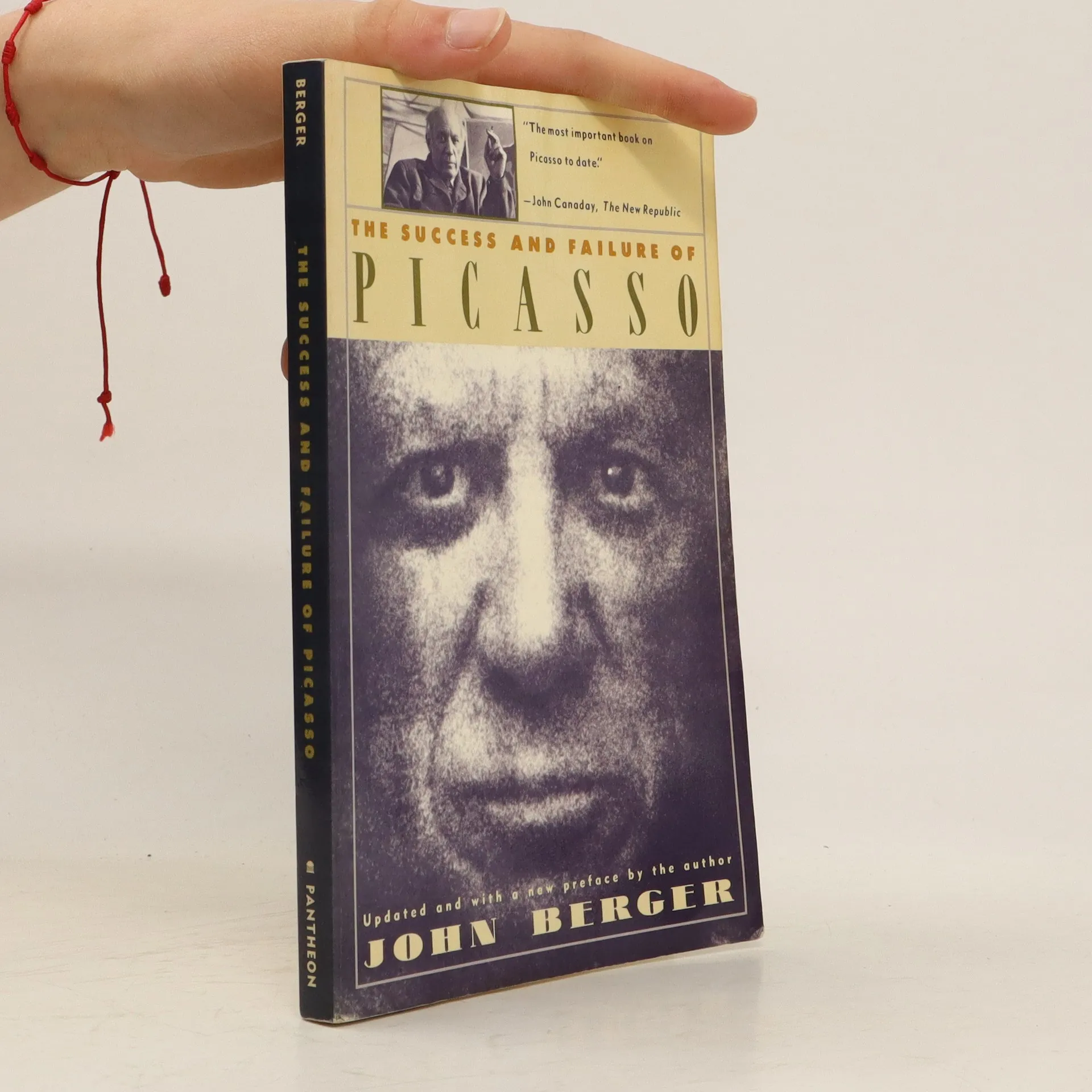
At the height of his powers, Pablo Picasso was the artist as revolutionary, breaking through the niceties of form in order to mount a direct challenge to the values of his time. At the height of his fame, he was the artist as royalty: incalculably wealthy, universally idolized−and wholly isolated. In this stunning critical assessment, John Berger−one of this century's most insightful cultural historians−trains his penetrating gaze upon this most prodigious and enigmatic painter and on the Spanish landscape and very particular culture that shpaed his life and work. Writing with a novelist's sensuous evocation of character and detail, and drawing on an erudition that embraces history, politics, and art, Berger follows Picasso from his childhood in Malaga to the Blue Period and Cubism, from the creation of Guernica to the pained etchings of his final years. He gives us the full measure of Picasso's triumphs and an unsparing reckoning of their cost−in exile, in loneliness, and in a desolation that drove him, in his last works, into an old man's furious and desperate frenzy at the beauty of what he could no longer create.




Zakup książki
The Success and Failure of Picasso, John Berger
- Język

- Rok wydania
- 1989
- Oprawa
- (miękka)
Metody płatności
Brakuje nam tutaj Twojej recenzji.
- Tytuł
- The Success and Failure of Picasso
- Język
- angielski
- Autorzy
- John Berger
- Wydawca
- Pantheon
- Rok wydania
- 1989
- Oprawa
- miękka
- Liczba stron
- 220
- ISBN10
- 0679722726
- ISBN13
- 9780679722724
- Seria
- Kategorie
- Pierwsze wydanie
- 1972
- Oryginalna nazwa
- G.
- Ocena
- 3,75 z 5
- Opis
- At the height of his powers, Pablo Picasso was the artist as revolutionary, breaking through the niceties of form in order to mount a direct challenge to the values of his time. At the height of his fame, he was the artist as royalty: incalculably wealthy, universally idolized−and wholly isolated. In this stunning critical assessment, John Berger−one of this century's most insightful cultural historians−trains his penetrating gaze upon this most prodigious and enigmatic painter and on the Spanish landscape and very particular culture that shpaed his life and work. Writing with a novelist's sensuous evocation of character and detail, and drawing on an erudition that embraces history, politics, and art, Berger follows Picasso from his childhood in Malaga to the Blue Period and Cubism, from the creation of Guernica to the pained etchings of his final years. He gives us the full measure of Picasso's triumphs and an unsparing reckoning of their cost−in exile, in loneliness, and in a desolation that drove him, in his last works, into an old man's furious and desperate frenzy at the beauty of what he could no longer create.