

Więcej o książce
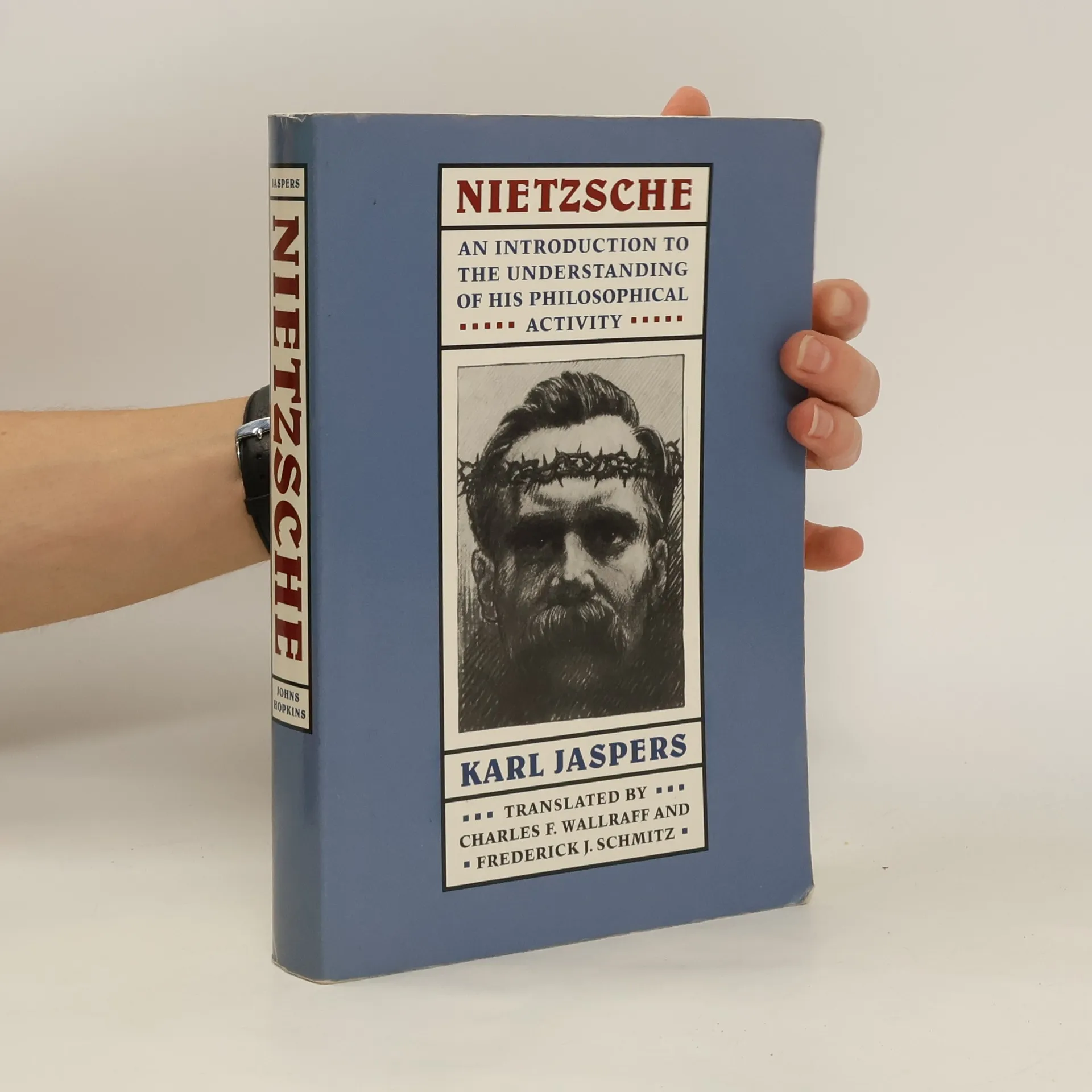
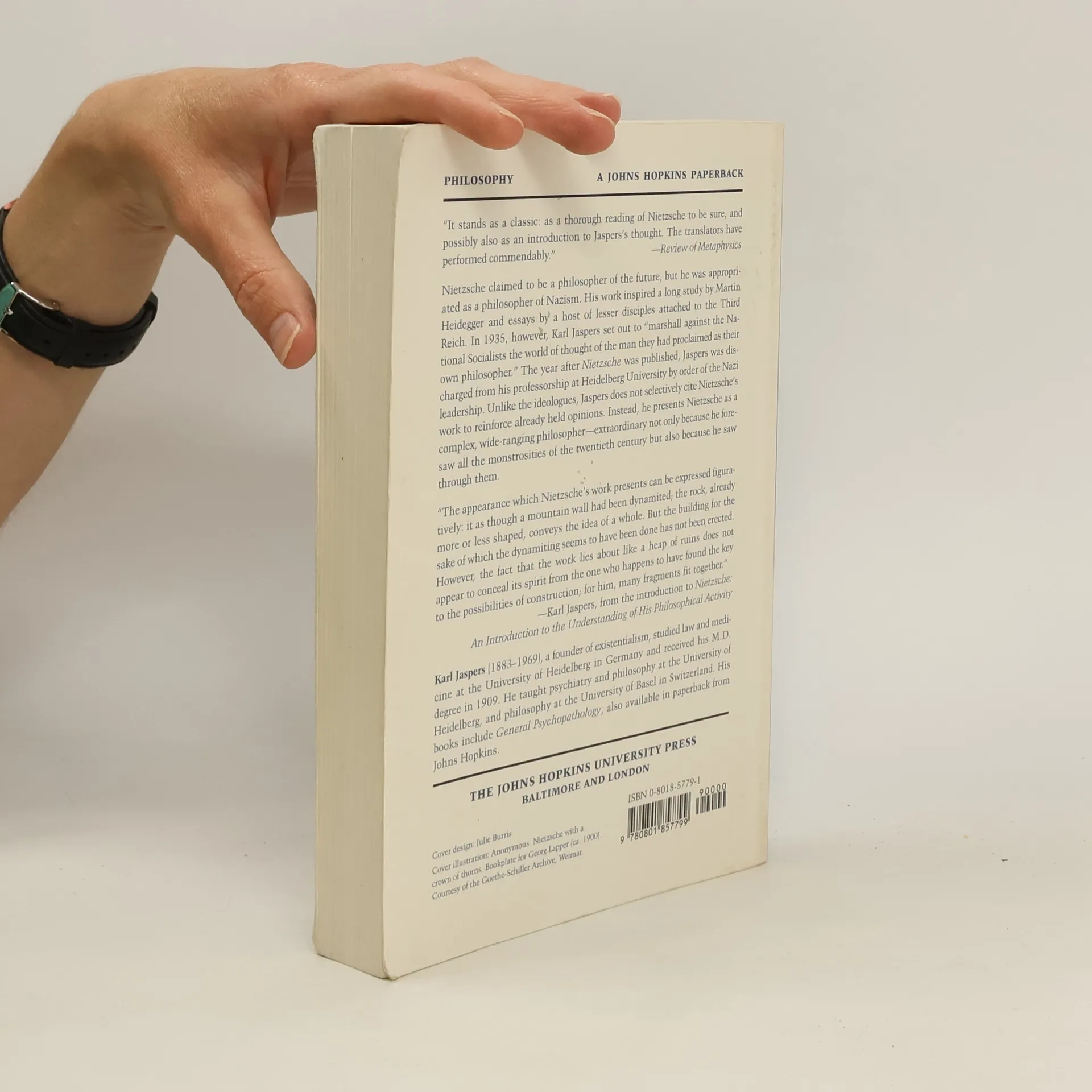
Nietzsche claimed to be a philosopher of the future, but he was appropriated as a philosopher of Nazism. His work inspired a long study by Martin Heidegger and essays by a host of lesser disciples attached to the Third Reich. In 1935, however, Karl Jaspers set out to "marshall against the National Socialists the world of thought of the man they had proclaimed as their own philosopher." The year after Nietzsche was published, Jaspers was discharged from his professorship at Heidelberg University by order of the Nazi leadership. Unlike the ideologues, Jaspers does not selectively cite Nietzsche's work to reinforce already held opinions. Instead, he presents Nietzsche as a complex, wide-ranging philosopher - extraordinary not only because he foresaw all the monstrosities of the twentieth century but also because he saw through them.


Zakup książki
Nietzsche, Karl Jaspers
- Język

- Rok wydania
- 1997
- Oprawa
- (miękka)
Metody płatności
Brakuje nam tutaj Twojej recenzji.
- Tytuł
- Nietzsche
- Język
- angielski
- Autorzy
- Karl Jaspers
- Wydawca
- Johns Hopkins Univ. Press
- Rok wydania
- 1997
- Oprawa
- miękka
- ISBN10
- 0801857791
- ISBN13
- 9780801857799
- Seria
- Kategorie
- Oryginalna nazwa
- Nietzsche
- Ocena
- 4 z 5
- Opis
- Nietzsche claimed to be a philosopher of the future, but he was appropriated as a philosopher of Nazism. His work inspired a long study by Martin Heidegger and essays by a host of lesser disciples attached to the Third Reich. In 1935, however, Karl Jaspers set out to "marshall against the National Socialists the world of thought of the man they had proclaimed as their own philosopher." The year after Nietzsche was published, Jaspers was discharged from his professorship at Heidelberg University by order of the Nazi leadership. Unlike the ideologues, Jaspers does not selectively cite Nietzsche's work to reinforce already held opinions. Instead, he presents Nietzsche as a complex, wide-ranging philosopher - extraordinary not only because he foresaw all the monstrosities of the twentieth century but also because he saw through them.