

Więcej o książce
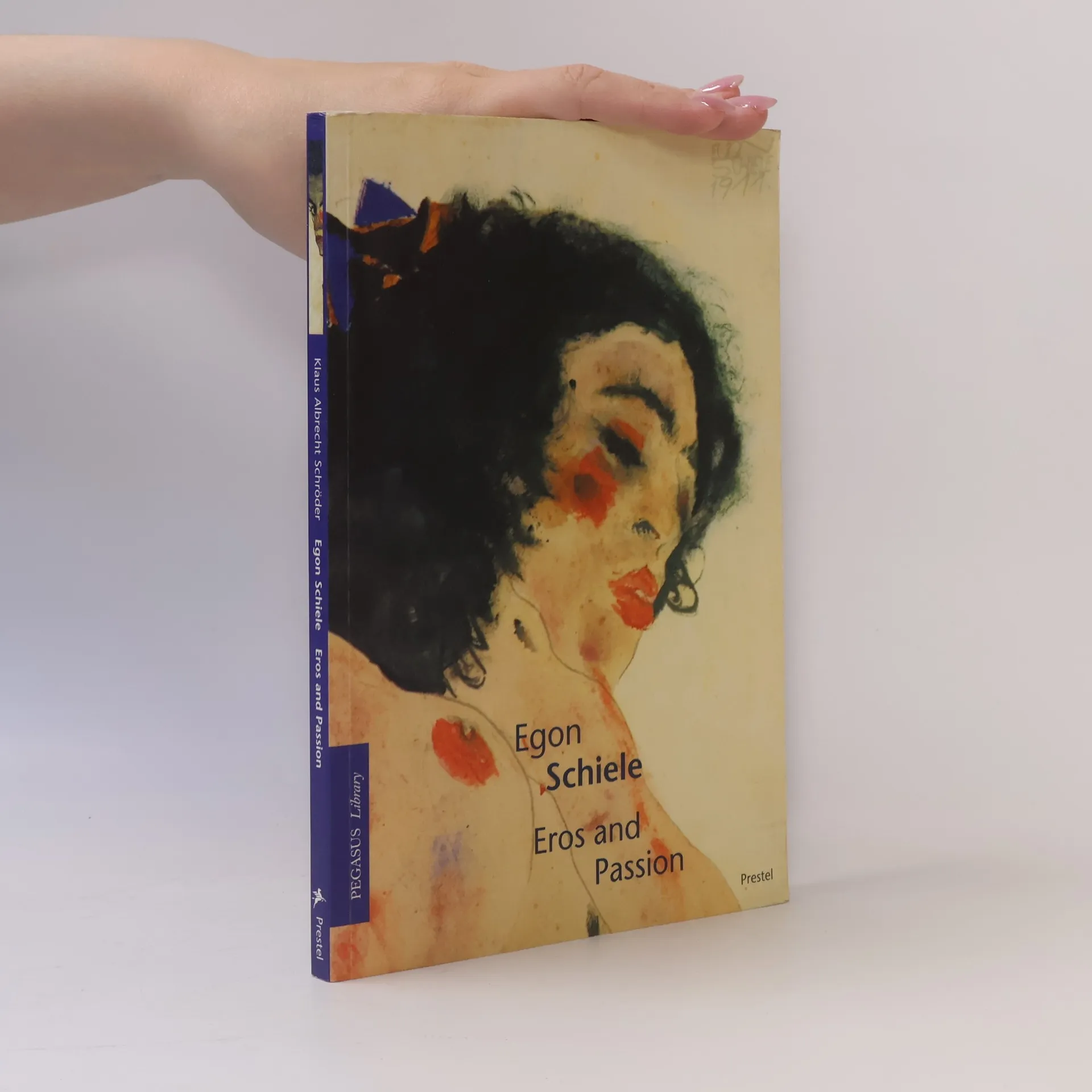
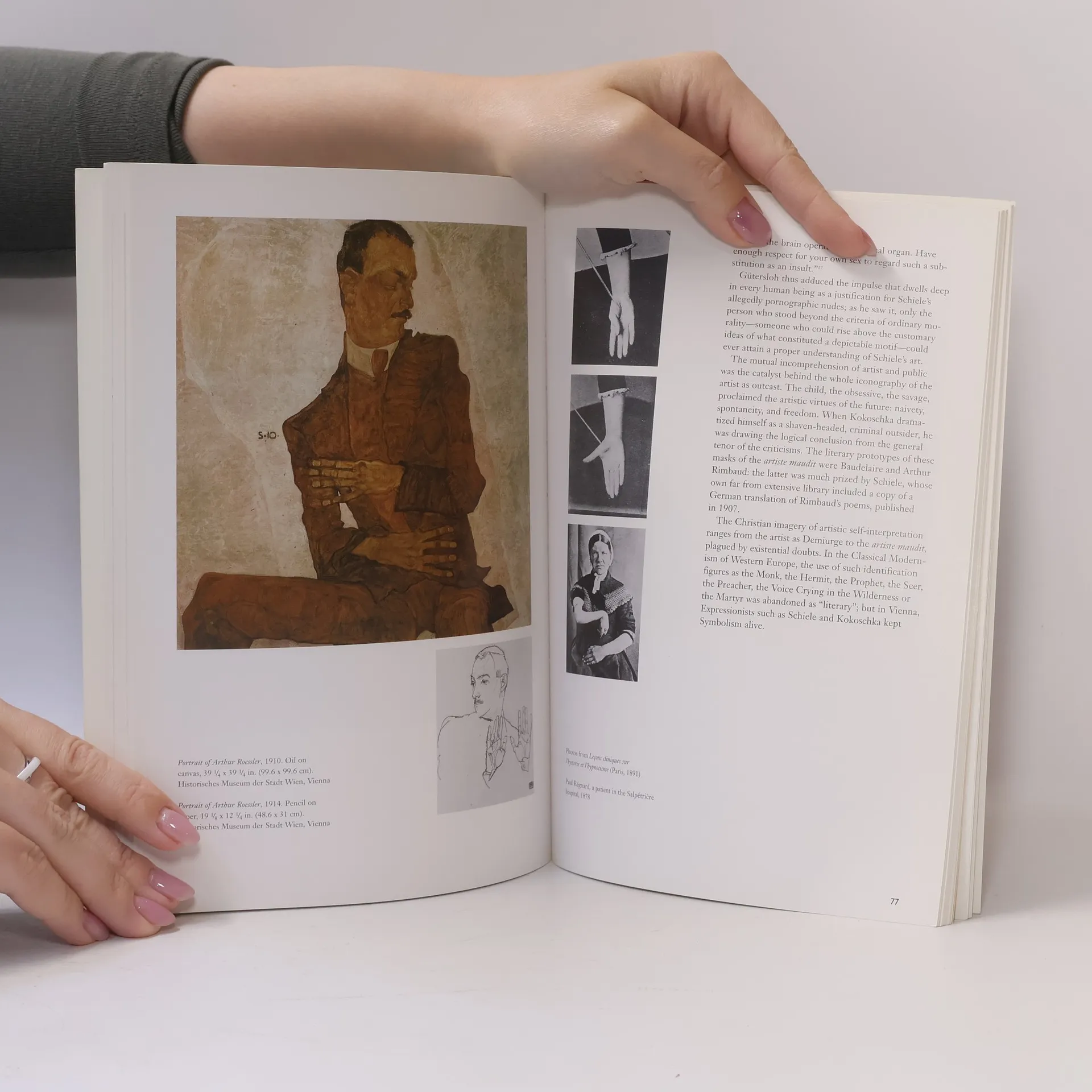
In this brilliant analysis, the erotic work of the Expressionist artist is examined within the perspective of history's shifting views concerning beauty, aesthetics, and decency. Egon Schiele's controversial nudes and self-portraits were fiercely reviled when they first appeared in the early decades of the twentieth century and, nearly one hundred years later, they still have the power to shock. Examining why Schiele's work elicits this response, the author explores the social constrictions of Schiele's generation and the role of the artist as a breaker of taboos. Incorporating superb reproductions of Schiele's works, those of his contemporaries, and historical photographs, the author offers a penetrating study of an artist whose idea of beauty transcended the morality of his time. Klaus Albrecht Schröder is Director of the Albertina Museum in Vienna, Austria.



Zakup książki
Egon Schiele, Klaus Albrecht Schröder, Egon Schiele
- Język

- Rok wydania
- 1999
- Oprawa
- (miękka)
Metody płatności
Brakuje nam tutaj Twojej recenzji.
- Tytuł
- Egon Schiele
- Podtytuł
- Eros and Passion
- Język
- angielski
- Autorzy
- Klaus Albrecht Schröder, Egon Schiele
- Wydawca
- Prestel
- Rok wydania
- 1999
- Oprawa
- miękka
- Liczba stron
- 116
- ISBN10
- 379132229X
- ISBN13
- 9783791322292
- Seria
- Tagi
- Sztuka, Historia sztuki
- Ocena
- 4,3 z 5
- Opis
- In this brilliant analysis, the erotic work of the Expressionist artist is examined within the perspective of history's shifting views concerning beauty, aesthetics, and decency. Egon Schiele's controversial nudes and self-portraits were fiercely reviled when they first appeared in the early decades of the twentieth century and, nearly one hundred years later, they still have the power to shock. Examining why Schiele's work elicits this response, the author explores the social constrictions of Schiele's generation and the role of the artist as a breaker of taboos. Incorporating superb reproductions of Schiele's works, those of his contemporaries, and historical photographs, the author offers a penetrating study of an artist whose idea of beauty transcended the morality of his time. Klaus Albrecht Schröder is Director of the Albertina Museum in Vienna, Austria.