

Parametry
- 96 stron
- 4 godziny czytania
Więcej o książce
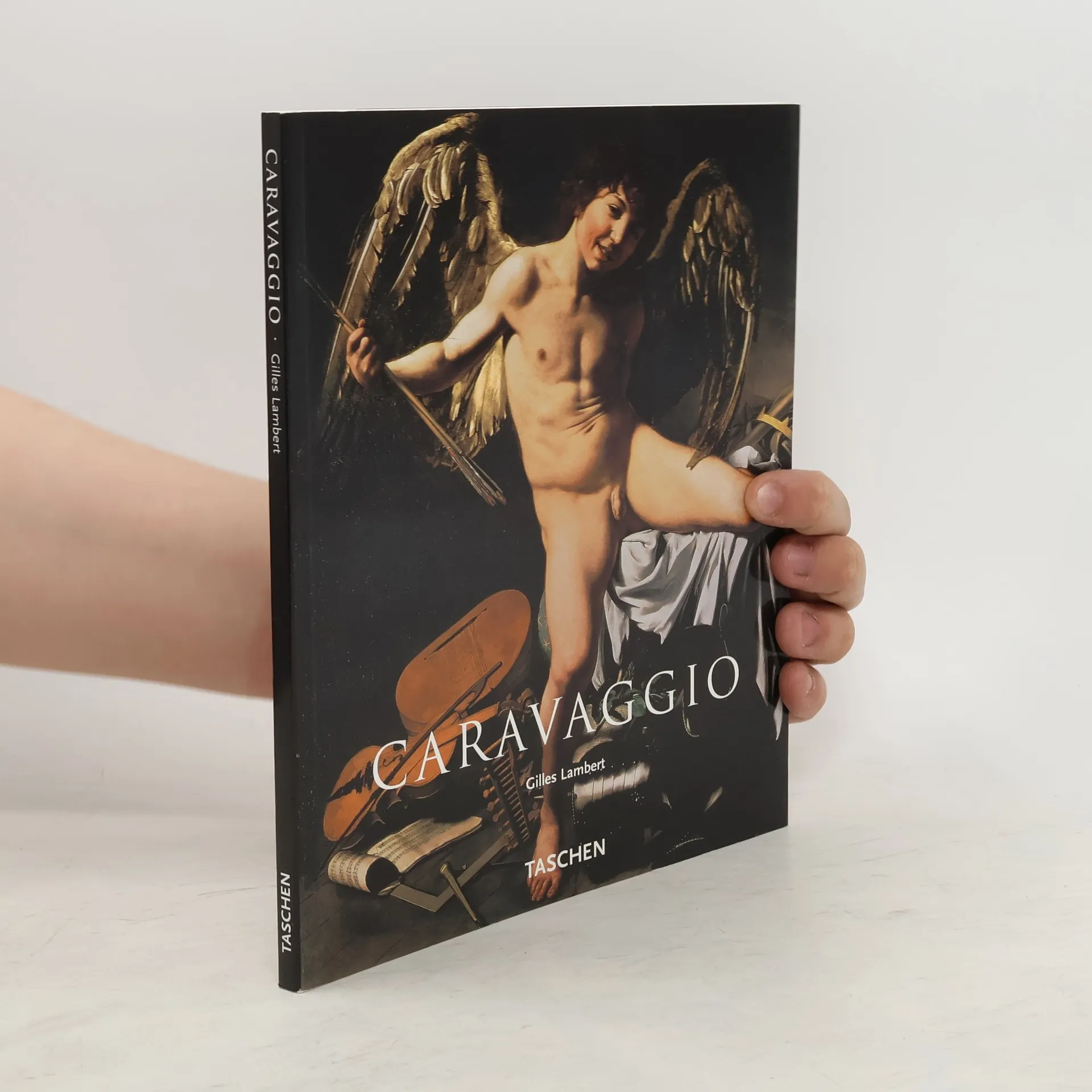
Notorious bad boy of Italian Baroque painting, Caravaggio (1571-1610) is finally getting the recognition he deserves. Though his name may be familiar to all of us, his work has been habitually detested and forced into obscurity. Not only was his theatrical realism unfashionable in his time, but his sacrilegious subject matter and use of lower class models were violently scorned. Michelangelo Mirisi de Caravaggio lived a life riddled with crime and scandal, producing a body of work that wouldn't be appreciated until centuries after his mysterious death. Though his body was never found, he is assumed to have been murdered by ruffians on a beach south of Rome-a fate strangely similar to that of controversial Italian director Pier Paolo Pasolini who was, like Caravaggio, a homosexual. Caravaggio's reputation was decidedly poor during his lifetime; sometimes rich, sometimes penniless, when he wasn't in prison he was running away from the police or his enemies. Perhaps no other painter has suffered such injustice: his works were often attributed to more respected painters while he was given the credit for just about anything vulgar painted in the chiaroscuro style. Caravaggio's great work had the misfortune of enduring centuries of disrepute. It wasn't until the end of the 19th century that he was rediscovered and, quite posthumously, deemed a great master.




Zakup książki
Caravaggio, Gilles Lambert
- Język

- Rok wydania
- 2000
- Oprawa
- (miękka)
Metody płatności
Brakuje nam tutaj Twojej recenzji.
- Tytuł
- Caravaggio
- Język
- angielski
- Autorzy
- Gilles Lambert
- Wydawca
- Taschen
- Rok wydania
- 2000
- Oprawa
- miękka
- Liczba stron
- 96
- ISBN10
- 382286305X
- ISBN13
- 9783822863053
- Seria
- Kategorie
- Oryginalna nazwa
- Caravaggio
- Ocena
- 4,25 z 5
- Opis
- Notorious bad boy of Italian Baroque painting, Caravaggio (1571-1610) is finally getting the recognition he deserves. Though his name may be familiar to all of us, his work has been habitually detested and forced into obscurity. Not only was his theatrical realism unfashionable in his time, but his sacrilegious subject matter and use of lower class models were violently scorned. Michelangelo Mirisi de Caravaggio lived a life riddled with crime and scandal, producing a body of work that wouldn't be appreciated until centuries after his mysterious death. Though his body was never found, he is assumed to have been murdered by ruffians on a beach south of Rome-a fate strangely similar to that of controversial Italian director Pier Paolo Pasolini who was, like Caravaggio, a homosexual. Caravaggio's reputation was decidedly poor during his lifetime; sometimes rich, sometimes penniless, when he wasn't in prison he was running away from the police or his enemies. Perhaps no other painter has suffered such injustice: his works were often attributed to more respected painters while he was given the credit for just about anything vulgar painted in the chiaroscuro style. Caravaggio's great work had the misfortune of enduring centuries of disrepute. It wasn't until the end of the 19th century that he was rediscovered and, quite posthumously, deemed a great master.