

Parametry
- 96 stron
- 4 godziny czytania
Więcej o książce
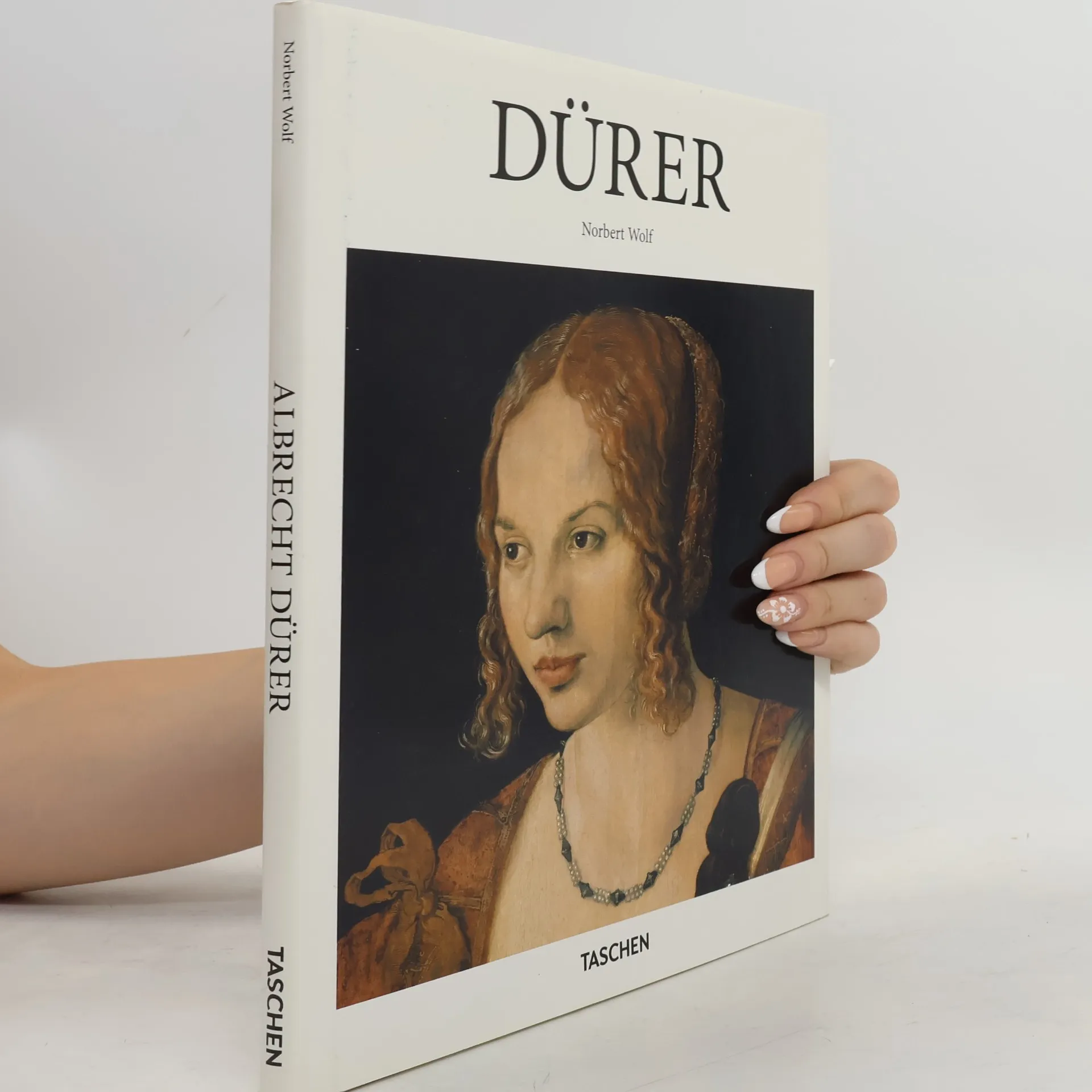
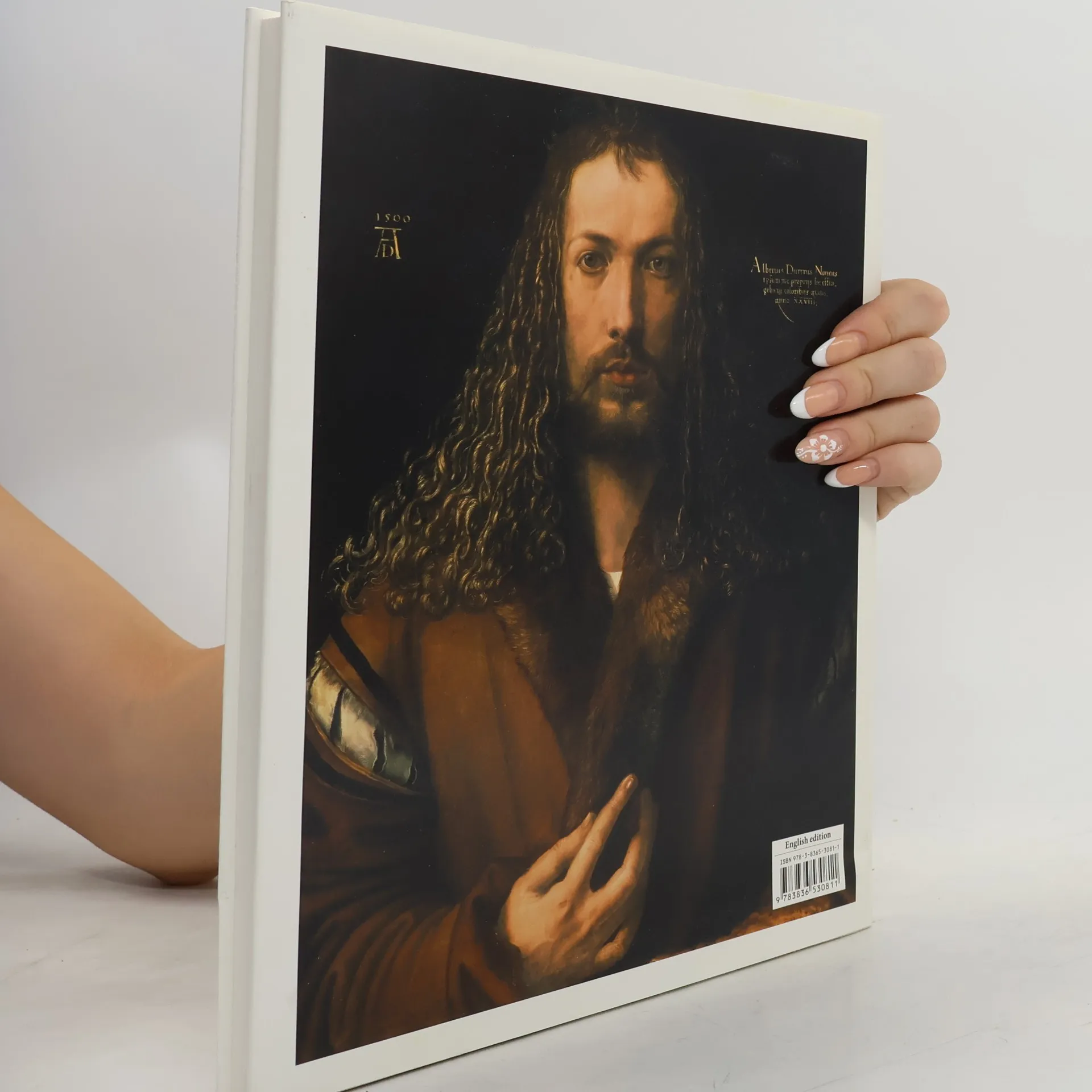
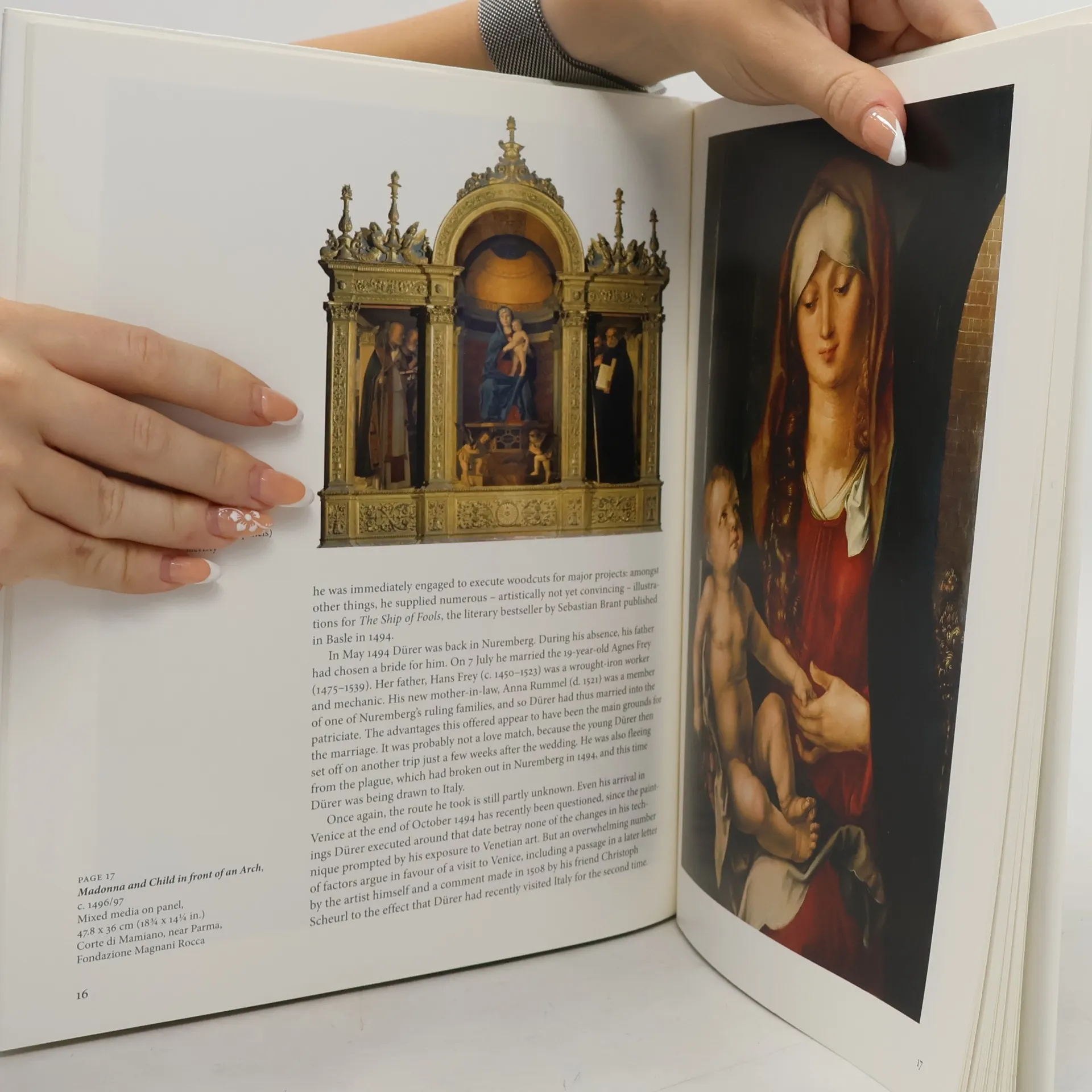
A polymath of the German Renaissance, Albrecht Dürer (1471–1528) was a prolific artist, theorist, and writer whose works spanned religion, art theory, and philosophy. His extensive oeuvre includes altarpieces, portraits, self-portraits, watercolors, and books, but he is most renowned for his groundbreaking woodcut prints, which elevated printmaking into a sophisticated art form. Dürer’s woodcuts are remarkable for their scale and intricate detail. Notable works like Apocalypse and the Triumphal Arch for Emperor Maximilian I feature dense, meticulous compositions that surpassed earlier woodcut efforts in size, precision, and complexity. With a bold tonal and dynamic range, he infused his art with conceptual, emotional, and spiritual depth. His major woodcut series on Christ’s Passion, The Large Passion and The Small Passion, stand out for their vivid portrayal of the Christian narrative. In his copper engraving Melancholia I, Dürer presents a striking vision of emotional ennui, often regarded as an early representation of melancholic states. Dürer was an avid learner, drawing inspiration from both German masters and Italian artists, while his influence resonated across Europe for generations. This introduction delves into his multifaceted practice, intellectual curiosity, and the key works that solidified his legacy.






Zakup książki
Dürer, Norbert Wolf
- Język

- Rok wydania
- 2016
- Oprawa
- (twarda)
Metody płatności
Brakuje nam tutaj Twojej recenzji.
- Tytuł
- Dürer
- Język
- angielski
- Autorzy
- Norbert Wolf
- Rok wydania
- 2016
- Oprawa
- twarda
- Liczba stron
- 96
- ISBN10
- 3836530813
- ISBN13
- 9783836530811
- Seria
- Kategorie
- Tagi
- Tematy historyczne, Sztuki piękne, Sztuka, Niemcy, Historia sztuki, Malarstwo, Holandia, Artyści, Renesans, Rysunki, Odrodzenie, Cesarze, Plaga, Norymberga, Sztuka renesansowa, Niemieckie malarstwo, Albrecht Dürer, 1471–1528
- Ocena
- 4,15 z 5
- Opis
- A polymath of the German Renaissance, Albrecht Dürer (1471–1528) was a prolific artist, theorist, and writer whose works spanned religion, art theory, and philosophy. His extensive oeuvre includes altarpieces, portraits, self-portraits, watercolors, and books, but he is most renowned for his groundbreaking woodcut prints, which elevated printmaking into a sophisticated art form. Dürer’s woodcuts are remarkable for their scale and intricate detail. Notable works like Apocalypse and the Triumphal Arch for Emperor Maximilian I feature dense, meticulous compositions that surpassed earlier woodcut efforts in size, precision, and complexity. With a bold tonal and dynamic range, he infused his art with conceptual, emotional, and spiritual depth. His major woodcut series on Christ’s Passion, The Large Passion and The Small Passion, stand out for their vivid portrayal of the Christian narrative. In his copper engraving Melancholia I, Dürer presents a striking vision of emotional ennui, often regarded as an early representation of melancholic states. Dürer was an avid learner, drawing inspiration from both German masters and Italian artists, while his influence resonated across Europe for generations. This introduction delves into his multifaceted practice, intellectual curiosity, and the key works that solidified his legacy.