


Więcej o książce
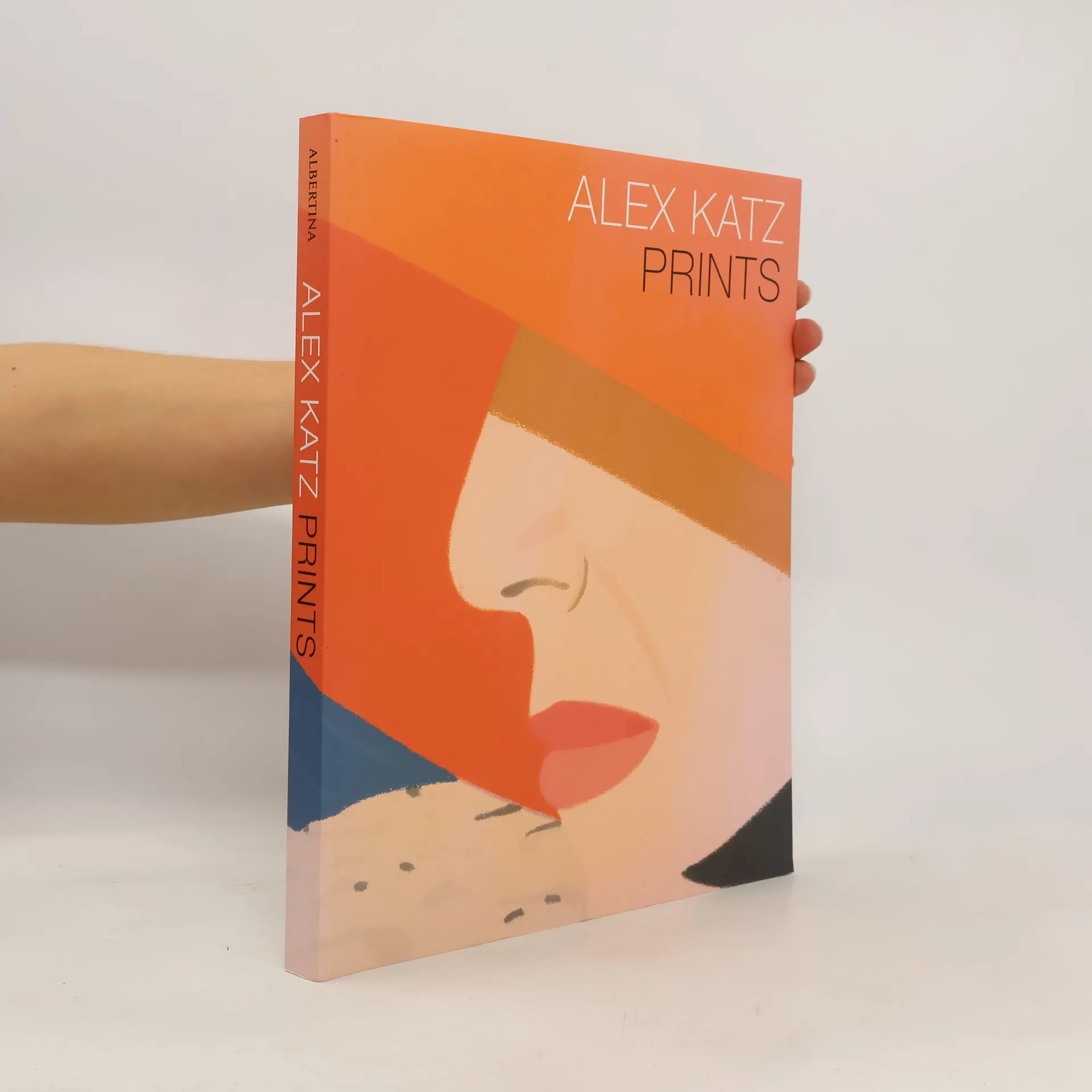
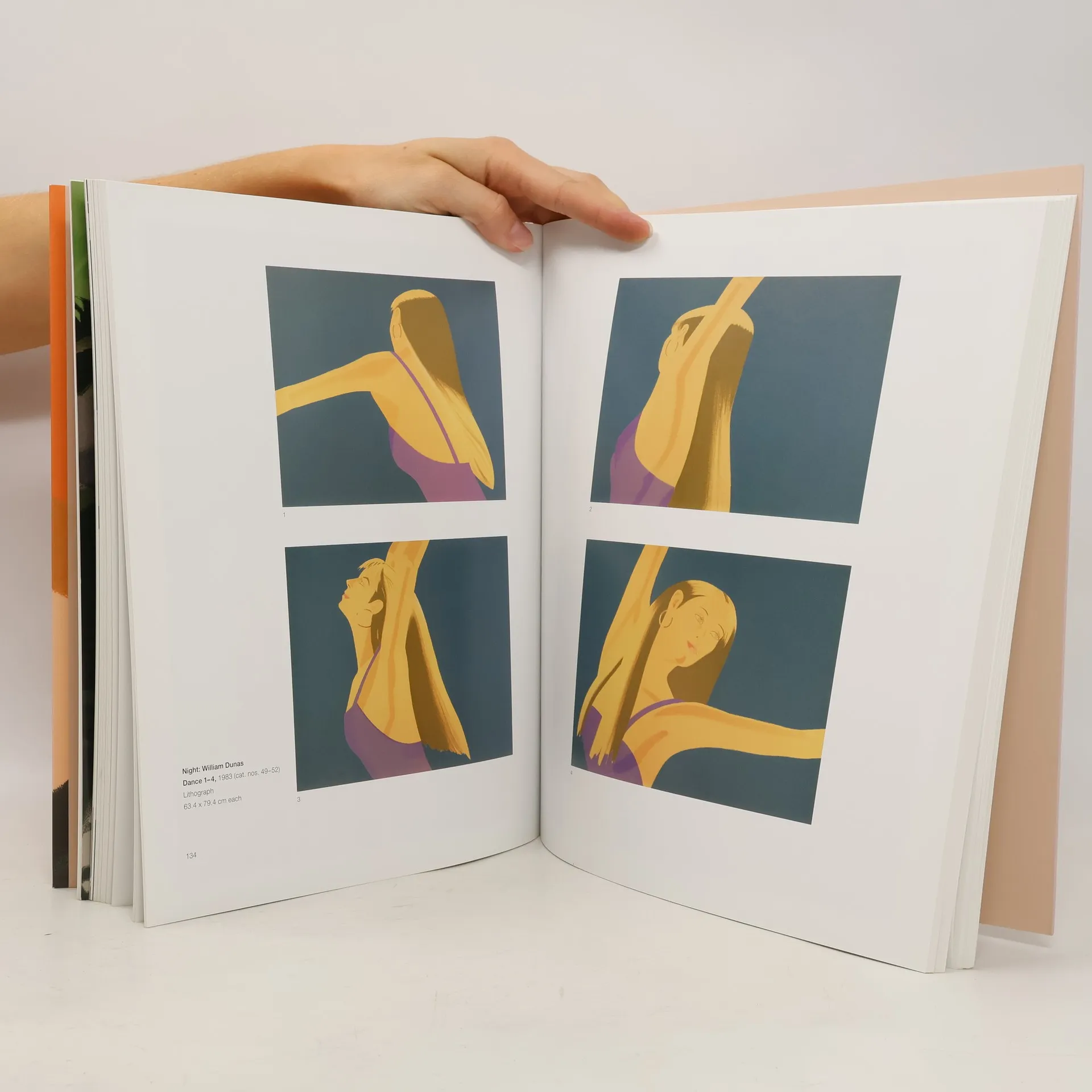
Alex Katz (born 1927) is best known as a painter--specifically, as a painter of his family and his distinguished circle of friends, including poets, writers and artists. In the early 1950s, he began experimenting with printmaking, but it was not until the mid 1960s that he intensified his interest and production in the medium. Pushing at the limits of various printing techniques, Katz tested out pictorial ideas first conceived for his paintings, retaining planes of matte color but further simplifying his forms and dramatically cropping his images. These reduced compositions were wonderfully compatible with the graphic clarity of printmaking, and by effectively translating his paintings into prints, the artist achieved what he called the "final synthesis of painting." This publication provides insight into an often-neglected yet vital aspect of Katz's work, from the early 1950s to the present day.

Zakup książki
Alex Katz, Prints, Gunhild Bauer
- Język

- Rok wydania
- 2010
- Oprawa
- (twarda)
Metody płatności
Brakuje nam tutaj Twojej recenzji.
- Tytuł
- Alex Katz, Prints
- Język
- angielski
- Autorzy
- Gunhild Bauer
- Wydawca
- Hatje Cantz
- Rok wydania
- 2010
- Oprawa
- twarda
- Liczba stron
- 240
- ISBN10
- 3775725857
- ISBN13
- 9783775725859
- Seria
- Ocena
- 2,5 z 5
- Opis
- Alex Katz (born 1927) is best known as a painter--specifically, as a painter of his family and his distinguished circle of friends, including poets, writers and artists. In the early 1950s, he began experimenting with printmaking, but it was not until the mid 1960s that he intensified his interest and production in the medium. Pushing at the limits of various printing techniques, Katz tested out pictorial ideas first conceived for his paintings, retaining planes of matte color but further simplifying his forms and dramatically cropping his images. These reduced compositions were wonderfully compatible with the graphic clarity of printmaking, and by effectively translating his paintings into prints, the artist achieved what he called the "final synthesis of painting." This publication provides insight into an often-neglected yet vital aspect of Katz's work, from the early 1950s to the present day.