

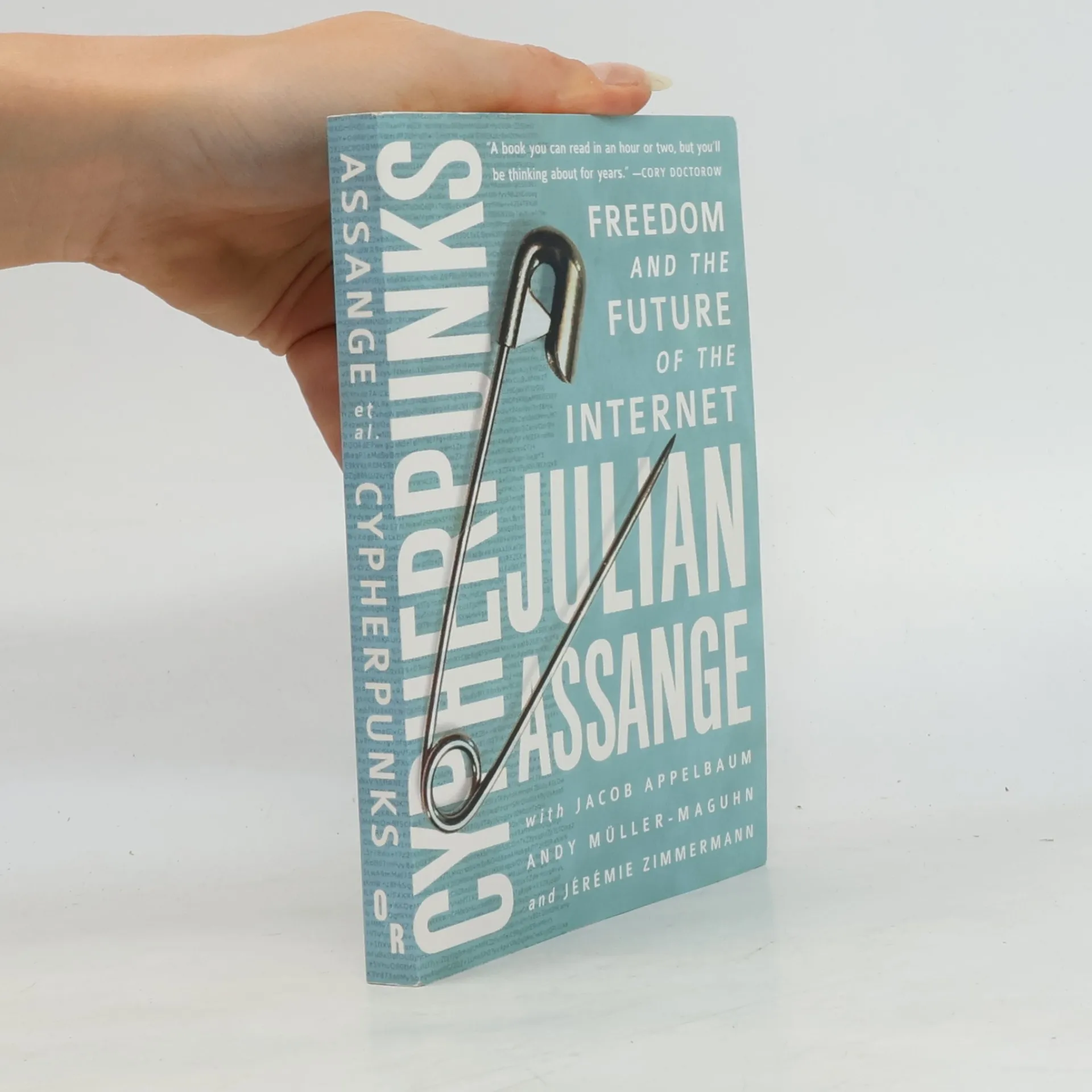


Parametry
- 186 stron
- 7 godzin czytania
Więcej o książce
Cypherpunks are activists advocating for strong cryptography as a means for progressive change. Julian Assange, a pivotal figure in the movement since the 1980s and the visionary behind WikiLeaks, gathers a group of innovative thinkers and activists to explore the implications of electronic communications on our freedom. Key discussions include whether platforms like Facebook and Google represent the most extensive surveillance systems ever created, constantly monitoring our lives. Are we, instead of mere victims, active participants in this surveillance? The conversation also touches on the legitimacy of certain surveillance forms, particularly concerning issues like money laundering, drugs, terrorism, and pornography. Can we, through conscious action and technological understanding, resist this trend and foster a world where the Internet promotes freedom? The ongoing harassment of WikiLeaks and other activists, alongside legislative threats like SOPA and ACTA, signals a critical juncture in Internet politics. One path promises "privacy for the weak and transparency for the powerful," while the other risks empowering governments and corporations to scrutinize users while concealing their actions. Assange and his colleagues dissect these complex issues with clarity and enthusiasm.



Zakup książki
Cypherpunks, Julian Assange, Jacob Appelbaum, Jérémie Zimmermann, Müller-Maguhn Andy
- Język

- Rok wydania
- 2012
- Oprawa
- (miękka),
- Stan książki
- Dobry
- Cena
- 37,29 zł
Metody płatności
Brakuje nam tutaj Twojej recenzji.
- Tytuł
- Cypherpunks
- Podtytuł
- Freedom and the Future of the Internet
- Język
- angielski
- Wydawca
- OR Books
- Rok wydania
- 2012
- Oprawa
- miękka
- Liczba stron
- 186
- ISBN10
- 1939293006
- ISBN13
- 9781939293008
- Seria
- Kategorie
- Ocena
- 3,85 z 5
- Opis
- Cypherpunks are activists advocating for strong cryptography as a means for progressive change. Julian Assange, a pivotal figure in the movement since the 1980s and the visionary behind WikiLeaks, gathers a group of innovative thinkers and activists to explore the implications of electronic communications on our freedom. Key discussions include whether platforms like Facebook and Google represent the most extensive surveillance systems ever created, constantly monitoring our lives. Are we, instead of mere victims, active participants in this surveillance? The conversation also touches on the legitimacy of certain surveillance forms, particularly concerning issues like money laundering, drugs, terrorism, and pornography. Can we, through conscious action and technological understanding, resist this trend and foster a world where the Internet promotes freedom? The ongoing harassment of WikiLeaks and other activists, alongside legislative threats like SOPA and ACTA, signals a critical juncture in Internet politics. One path promises "privacy for the weak and transparency for the powerful," while the other risks empowering governments and corporations to scrutinize users while concealing their actions. Assange and his colleagues dissect these complex issues with clarity and enthusiasm.