

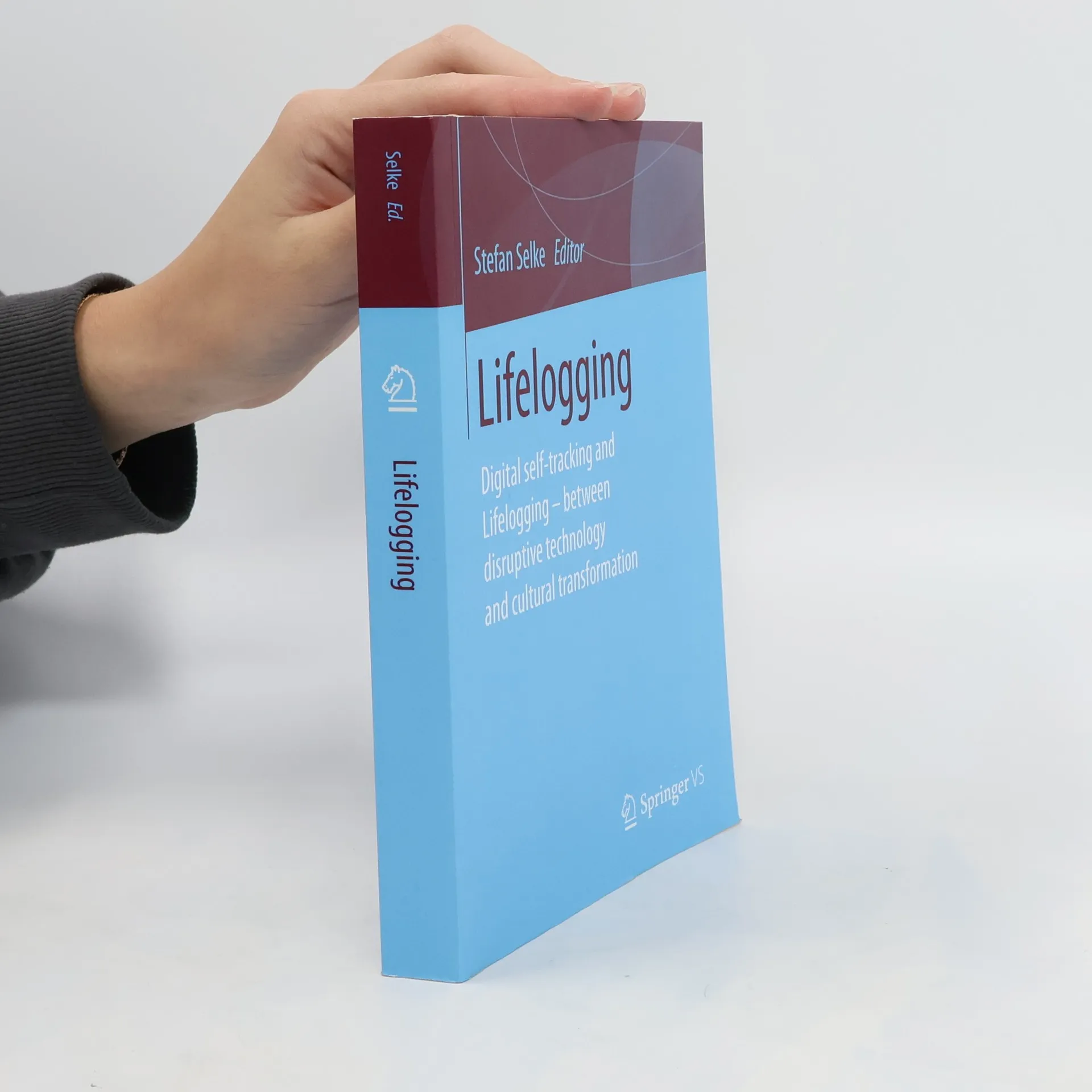


Lifelogging
Digital self-tracking and Lifelogging - between disruptive technology and cultural transformation
Autorzy
Ocena książki
Więcej o książce
The following anthology delivers sound analysis to the theoretical classification of the current societal phenomenon - between innovative, world changing and yet disruptive technology, as well as societal and cultural transformation. Lifelogging, digital self-tracking and the real-time chronicling of man’s lifetime, is not only a relevant societal topic in the world of research and academic science these days, but can also be found in literature, cultural pages of the written press and the theatre. The spectrum of Lifelogging ranges from sleep, mood, sex and work logging to Thing and Deathlogging. This leads to several questions: How does one live in a data society? Is “measured” man automatically also “better” man? And if so, what is the cost? Do new categories of reality or principles of social classification develop as a result of Lifelogging? How does the “social view” on things change? The authors in this anthology provide insightful answers to these pressing questions.

Zakup książki
Lifelogging, Stefan Selke
- Język

- Rok wydania
- 2016
- Oprawa
- (miękka)
Metody płatności
Brakuje nam tutaj Twojej recenzji.
- Tytuł
- Lifelogging
- Podtytuł
- Digital self-tracking and Lifelogging - between disruptive technology and cultural transformation
- Język
- angielski
- Autorzy
- Stefan Selke
- Wydawca
- Springer VS
- Rok wydania
- 2016
- Oprawa
- miękka
- Liczba stron
- 376
- ISBN10
- 3658131365
- ISBN13
- 9783658131364
- Seria
- Ocena
- 3,1 z 5
- Opis
- The following anthology delivers sound analysis to the theoretical classification of the current societal phenomenon - between innovative, world changing and yet disruptive technology, as well as societal and cultural transformation. Lifelogging, digital self-tracking and the real-time chronicling of man’s lifetime, is not only a relevant societal topic in the world of research and academic science these days, but can also be found in literature, cultural pages of the written press and the theatre. The spectrum of Lifelogging ranges from sleep, mood, sex and work logging to Thing and Deathlogging. This leads to several questions: How does one live in a data society? Is “measured” man automatically also “better” man? And if so, what is the cost? Do new categories of reality or principles of social classification develop as a result of Lifelogging? How does the “social view” on things change? The authors in this anthology provide insightful answers to these pressing questions.