

Parametry
- 284 strony
- 10 godzin czytania
Więcej o książce
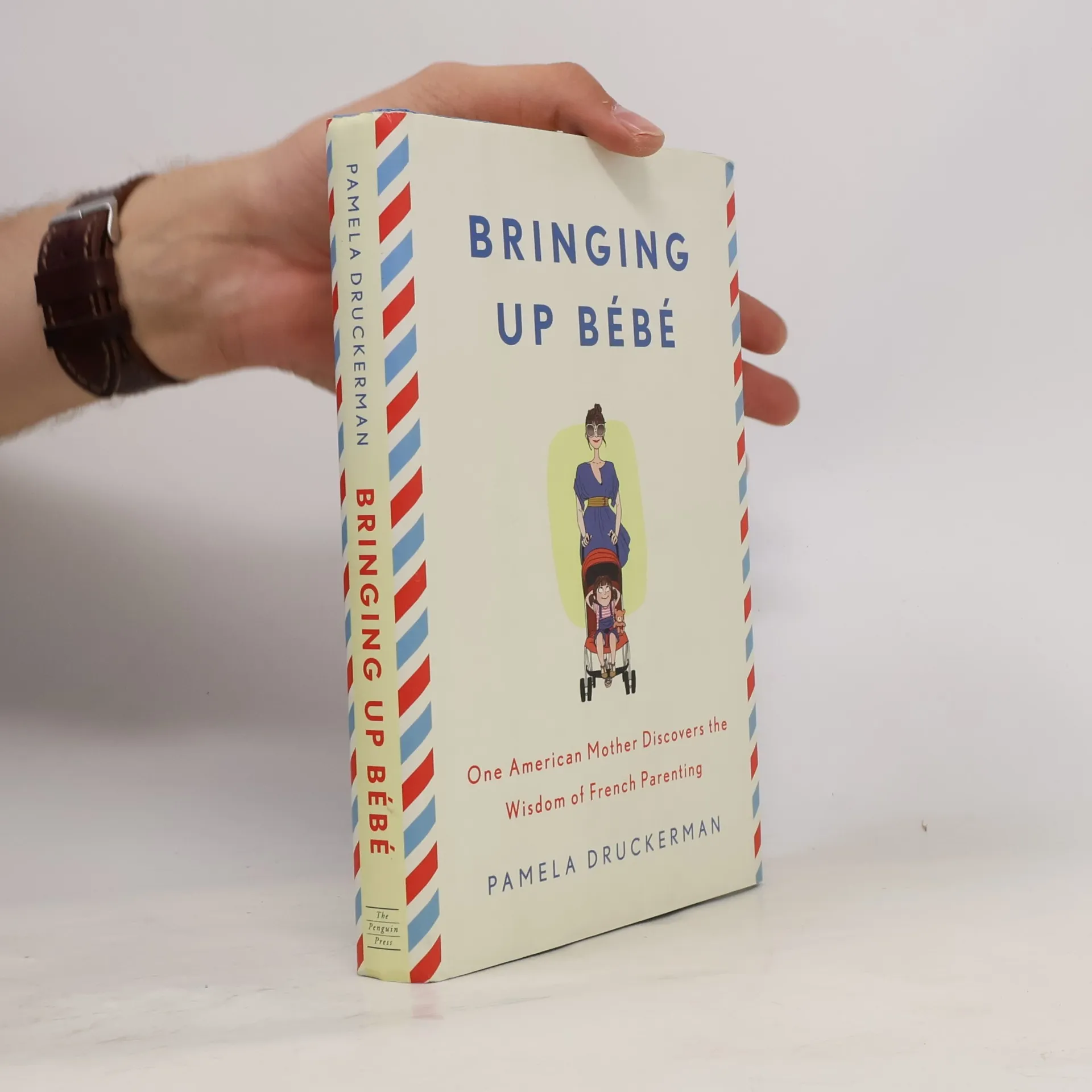
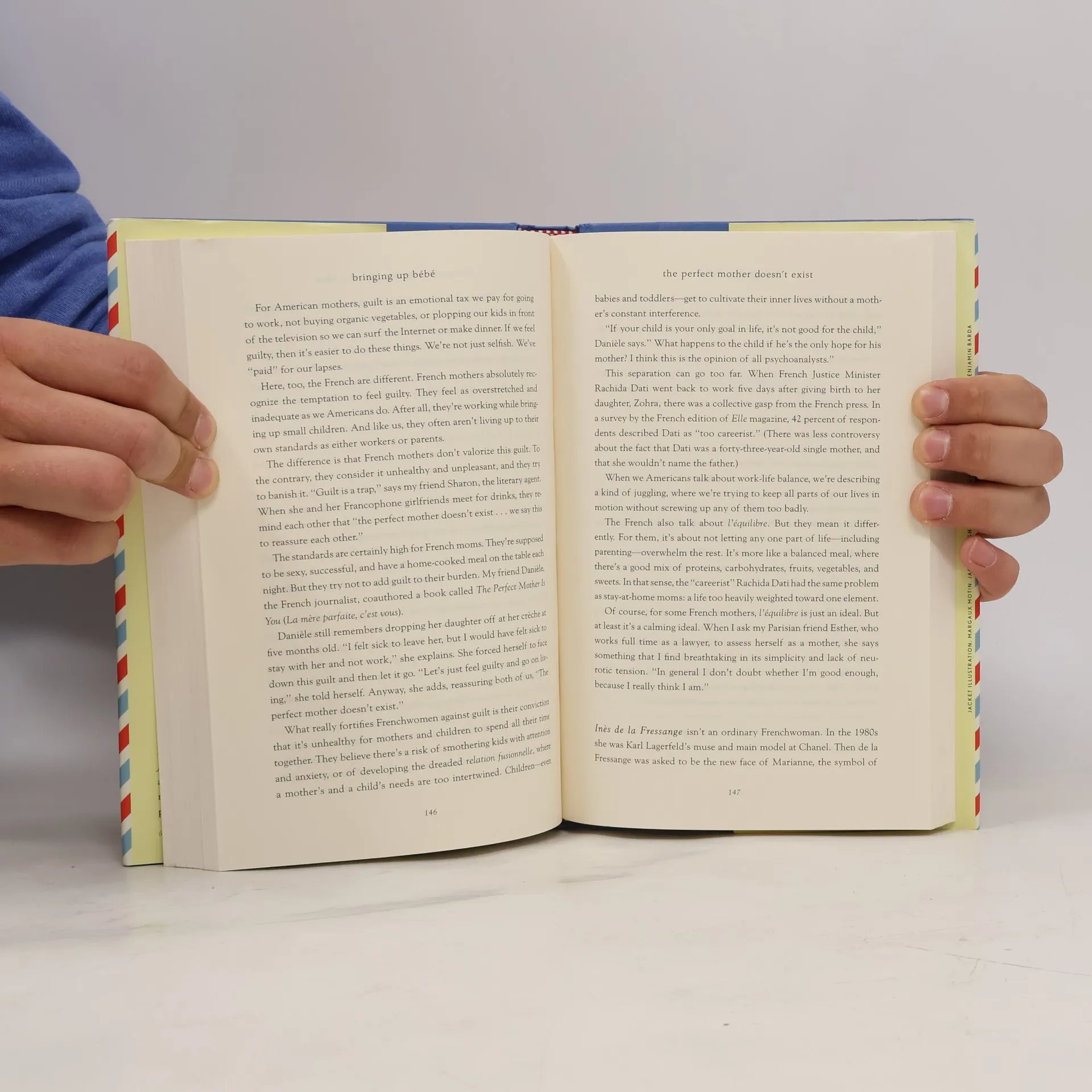
When American journalist Pamela Druckerman has a baby in Paris, she doesn't aim to become a "French parent," as this concept isn't widely recognized. Yet, she observes that French children sleep through the night by two or three months, unlike their American counterparts, who may take a year or more. French kids enjoy well-rounded meals, often featuring dishes like braised leeks instead of chicken nuggets. While her American friends mediate conflicts among their children, her French friends relax with coffee as the kids play. Motherhood in France lacks the intense pressure seen in America; French mothers believe that even good parents don't need to be constantly available to their children, freeing them from guilt. They exhibit a calm authority that Druckerman admires. Contrary to the notion that French parenting leads to dull children, French kids are lively, curious, and creative, yet better behaved and more self-regulated. While American toddlers engage in structured learning, French children explore their world at their own pace. Druckerman, a former Wall Street Journal reporter, takes notes to uncover the secrets behind the well-behaved French children and relaxed parents. She finds that French parents maintain strict boundaries in some areas while being permissive in others. Ultimately, she realizes that to parent differently, one must also rethink the nature of childhood itself, discovering that children are capable


Zakup książki
Bringing up bébé, Pamela Druckerman
- Język

- Rok wydania
- 2012
- Oprawa
- (twarda),
- Stan książki
- Dobry
- Cena
- 25,09 zł
Metody płatności
Brakuje nam tutaj Twojej recenzji.
- Tytuł
- Bringing up bébé
- Język
- angielski
- Autorzy
- Pamela Druckerman
- Wydawca
- Penguin Press
- Rok wydania
- 2012
- Oprawa
- twarda
- Liczba stron
- 284
- ISBN10
- 1594203334
- ISBN13
- 9781594203336
- Seria
- Kategorie
- Tagi
- Poradniki, Rodzina, Francja, Rodzicielstwo
- Ocena
- 4 z 5
- Opis
- When American journalist Pamela Druckerman has a baby in Paris, she doesn't aim to become a "French parent," as this concept isn't widely recognized. Yet, she observes that French children sleep through the night by two or three months, unlike their American counterparts, who may take a year or more. French kids enjoy well-rounded meals, often featuring dishes like braised leeks instead of chicken nuggets. While her American friends mediate conflicts among their children, her French friends relax with coffee as the kids play. Motherhood in France lacks the intense pressure seen in America; French mothers believe that even good parents don't need to be constantly available to their children, freeing them from guilt. They exhibit a calm authority that Druckerman admires. Contrary to the notion that French parenting leads to dull children, French kids are lively, curious, and creative, yet better behaved and more self-regulated. While American toddlers engage in structured learning, French children explore their world at their own pace. Druckerman, a former Wall Street Journal reporter, takes notes to uncover the secrets behind the well-behaved French children and relaxed parents. She finds that French parents maintain strict boundaries in some areas while being permissive in others. Ultimately, she realizes that to parent differently, one must also rethink the nature of childhood itself, discovering that children are capable