


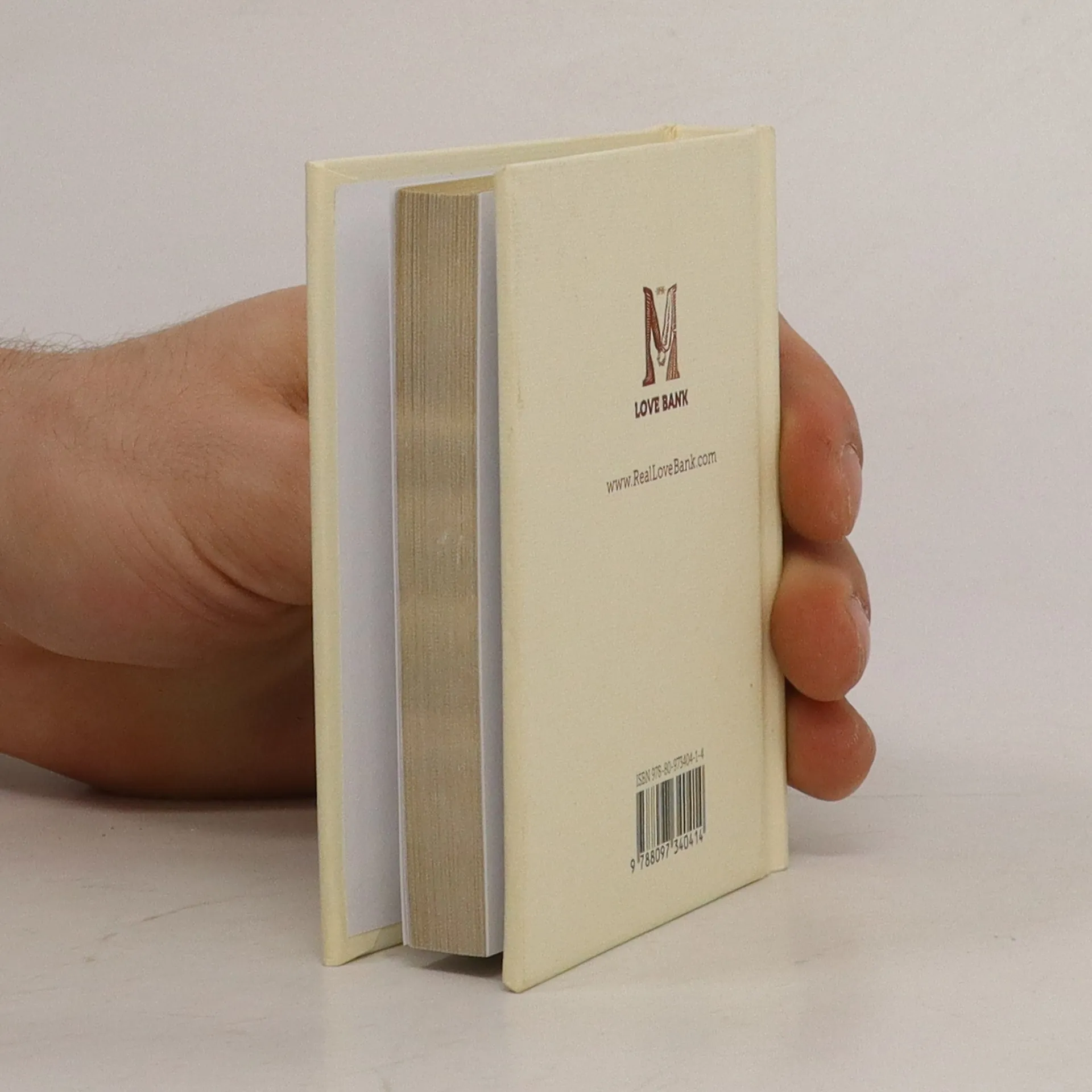

Więcej o książce
Love for a woman and love for one's nation intertwine in "Marína," a poetic composition from 1846. The story is dedicated to Mária, the object of Andrej Sládkovič's unrequited affection since he was 19. This work stands as a pinnacle of his literary output. "Marína" is a romantic lyrical piece that reflects an autobiographical love experience—the young Sládkovič's feelings for Mária Pišlová, the daughter of Pavol Pišľa, whose family he tutored privately. Mária's parents later compelled her to marry a wealthy suitor, forcing her to forget the dreamer poet with an uncertain future. This heartache inspired what is likely the most famous love poem in Slovak literature. Sládkovič's work is not solely anchored in the theme of love; it also explores beauty, youth, poetry, and the Slovak landscape, showcasing an aestheticism that complements the central motif of a subjective relationship with a woman.


Zakup książki
Marína, Andrej Sládkovič
- Język

- Rok wydania
- Oprawa
- (twarda)
Metody płatności
Brakuje nam tutaj Twojej recenzji.
- Tytuł
- Marína
- Język
- angielski
- Autorzy
- Andrej Sládkovič
- Wydawca
- Love Bank
- Oprawa
- twarda
- Seria
- Ocena
- 4,4 z 5
- Opis
- Love for a woman and love for one's nation intertwine in "Marína," a poetic composition from 1846. The story is dedicated to Mária, the object of Andrej Sládkovič's unrequited affection since he was 19. This work stands as a pinnacle of his literary output. "Marína" is a romantic lyrical piece that reflects an autobiographical love experience—the young Sládkovič's feelings for Mária Pišlová, the daughter of Pavol Pišľa, whose family he tutored privately. Mária's parents later compelled her to marry a wealthy suitor, forcing her to forget the dreamer poet with an uncertain future. This heartache inspired what is likely the most famous love poem in Slovak literature. Sládkovič's work is not solely anchored in the theme of love; it also explores beauty, youth, poetry, and the Slovak landscape, showcasing an aestheticism that complements the central motif of a subjective relationship with a woman.