


Więcej o książce
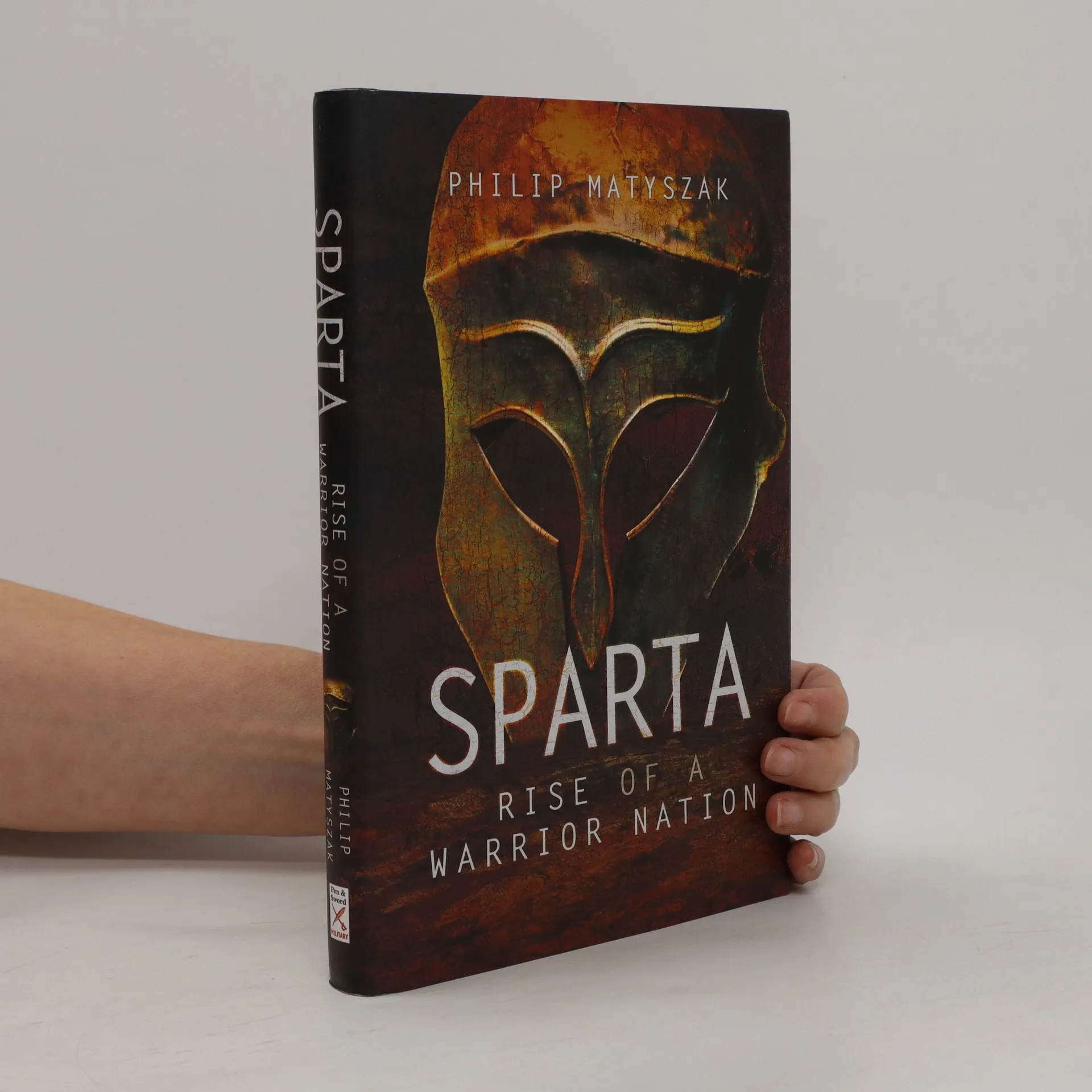
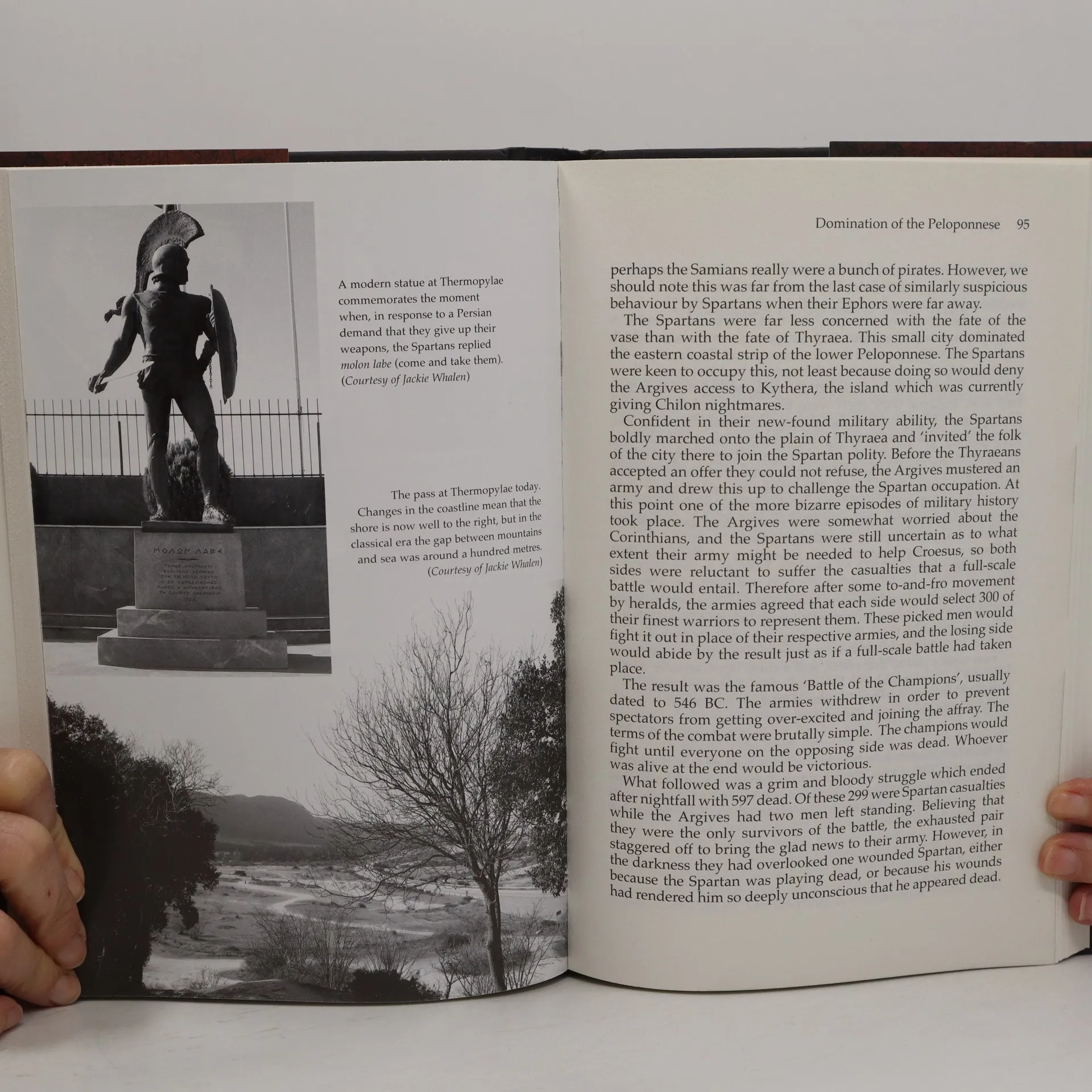
Their contemporaries were fascinated by the Spartans and we still are. They are portrayed as the stereotypical macho heroes: noble, laconic, totally fearless and impervious to discomfort and pain. What makes the study of Sparta so interesting is that to a large extent the Spartans lived up to this image. Ancient Sparta, however, was a city of contrasts. We might admire their physical toughness and heroism in adversity but Spartans also systematically abused their children. They gave rights to citizen women that were unmatched in Europe until the modern era, meanwhile subjecting their conquered subject peoples to a murderous reign of terror. Though idealized by the Athenian contemporaries of Socrates Sparta was almost devoid of intellectual achievement. Philip Matyszak explores two themes: how Sparta came to be the unique society it was, and the rise of the city from a Peloponnesian village to the military superpower of Greece. But above all, his focus is on the Spartan hoplite, the archetypal Greek warrior who was respected and feared throughout Greece in his own day, and who has since become a legend. The reader is shown the man behind the myth; who he was, who he thought he was, and the environment which produced him.


Zakup książki
Sparta, Philip Matyszak
- Język

- Rok wydania
- 2017
- Oprawa
- (twarda)
Metody płatności
Brakuje nam tutaj Twojej recenzji.
- Tytuł
- Sparta
- Język
- angielski
- Autorzy
- Philip Matyszak
- Wydawca
- Pen & Sword Books Limited
- Rok wydania
- 2017
- Oprawa
- twarda
- Liczba stron
- 208
- ISBN10
- 1473874645
- ISBN13
- 9781473874640
- Seria
- Kategorie
- Ocena
- 3,9 z 5
- Opis
- Their contemporaries were fascinated by the Spartans and we still are. They are portrayed as the stereotypical macho heroes: noble, laconic, totally fearless and impervious to discomfort and pain. What makes the study of Sparta so interesting is that to a large extent the Spartans lived up to this image. Ancient Sparta, however, was a city of contrasts. We might admire their physical toughness and heroism in adversity but Spartans also systematically abused their children. They gave rights to citizen women that were unmatched in Europe until the modern era, meanwhile subjecting their conquered subject peoples to a murderous reign of terror. Though idealized by the Athenian contemporaries of Socrates Sparta was almost devoid of intellectual achievement. Philip Matyszak explores two themes: how Sparta came to be the unique society it was, and the rise of the city from a Peloponnesian village to the military superpower of Greece. But above all, his focus is on the Spartan hoplite, the archetypal Greek warrior who was respected and feared throughout Greece in his own day, and who has since become a legend. The reader is shown the man behind the myth; who he was, who he thought he was, and the environment which produced him.