

Ocena książki
Parametry
- 400 stron
- 14 godzin czytania
Więcej o książce
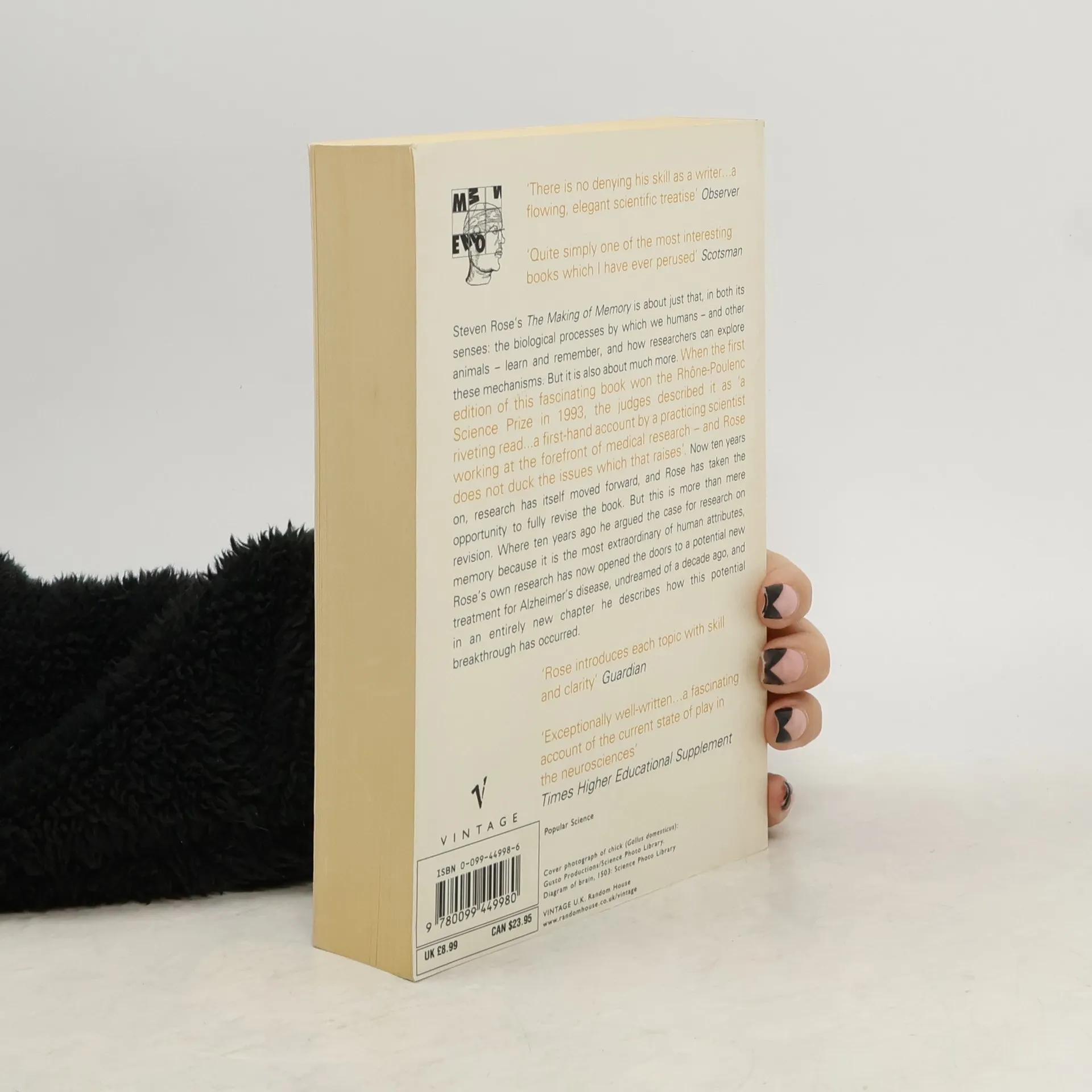
Steven Rose's The Making of Memory is about just that, in both its senses: the biological processes by which we humans - and other animals - learn and remember, and how researchers can explore these mechanisms. But it is also about much more. When the first edition of this fascinating book won the Science book Prize in 1993, the judges described it as 'a riveting read...a first-hand account by a practicing scientist working at the forefront of medical research and Rose does not duck the issues which that raises.' Now ten years on, research has itself moved forward, and Rose has taken the opportunity to fully revise the book. But this is more than mere revision. Where ten years ago he argued the case for research on memory because it is the most extraordinary of human attributes, Rose's own research has now opened the doors to a potential new treatment for Alzheimer's Disease undreamed of a decade ago, and in an entirely new chapter he describes how this potential breakthrough has occurred.


Zakup książki
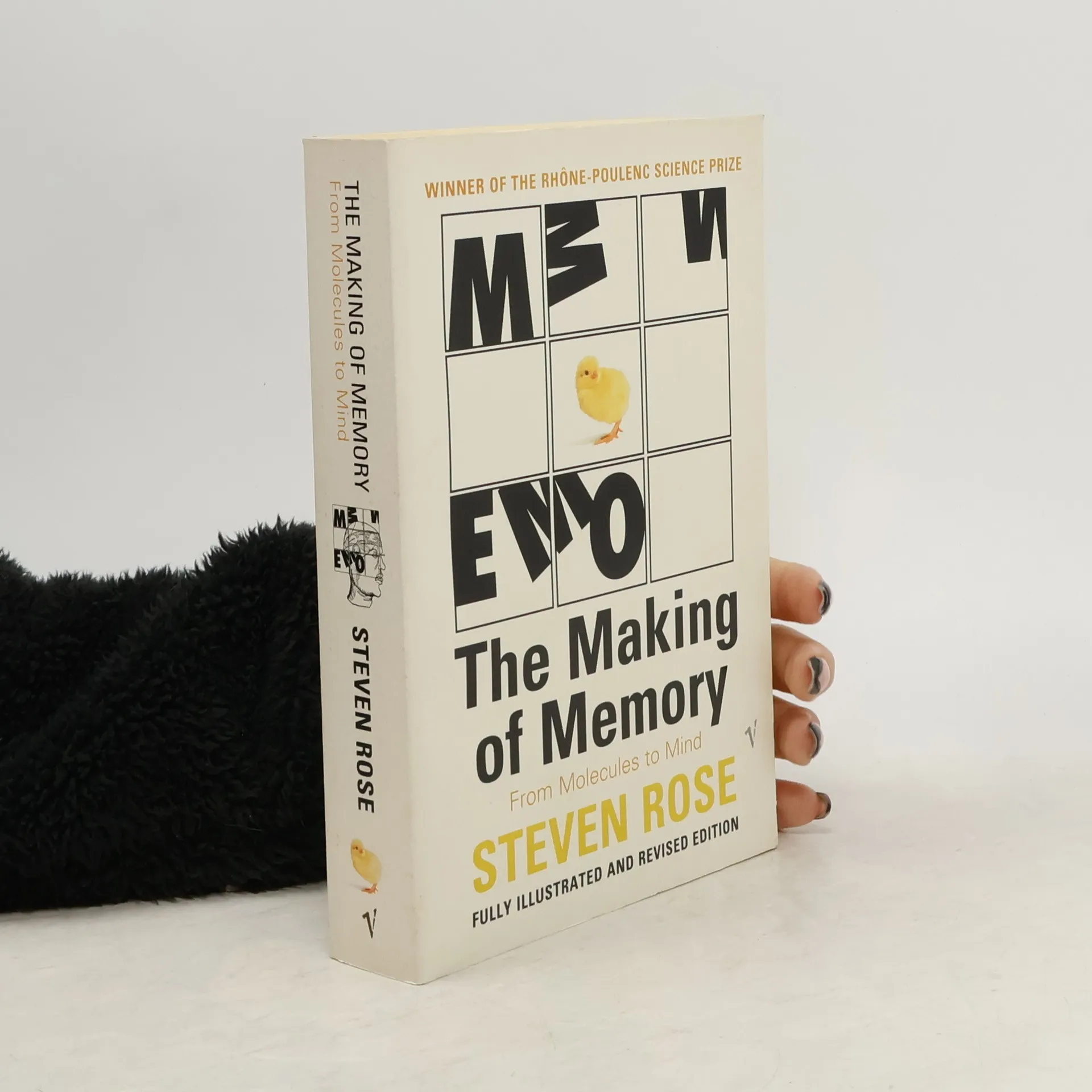
The Making of Memory, Steven Rose
- Język

- Rok wydania
- 2003
- Oprawa
- (miękka),
- Stan książki
- Bardzo dobry
- Cena
- 12,30 zł
Metody płatności
Brakuje nam tutaj Twojej recenzji.
- Tytuł
- The Making of Memory
- Podtytuł
- From Molecules to Mind - Fully Illustrated and Revised Edition
- Język
- angielski
- Autorzy
- Steven Rose
- Wydawca
- Vintage
- Rok wydania
- 2003
- Oprawa
- miękka
- Liczba stron
- 400
- ISBN10
- 0099449986
- ISBN13
- 9780099449980
- Seria
- Kategorie
- Tagi
- Książki kucharskie, Nauki przyrodnicze, Tematyka psychologiczna, Nauka, Jedzenie, Południowa Europa, Włochy, Neurobiologia, Mózg
- Ocena
- 3,7 z 5
- Opis
- Steven Rose's The Making of Memory is about just that, in both its senses: the biological processes by which we humans - and other animals - learn and remember, and how researchers can explore these mechanisms. But it is also about much more. When the first edition of this fascinating book won the Science book Prize in 1993, the judges described it as 'a riveting read...a first-hand account by a practicing scientist working at the forefront of medical research and Rose does not duck the issues which that raises.' Now ten years on, research has itself moved forward, and Rose has taken the opportunity to fully revise the book. But this is more than mere revision. Where ten years ago he argued the case for research on memory because it is the most extraordinary of human attributes, Rose's own research has now opened the doors to a potential new treatment for Alzheimer's Disease undreamed of a decade ago, and in an entirely new chapter he describes how this potential breakthrough has occurred.