

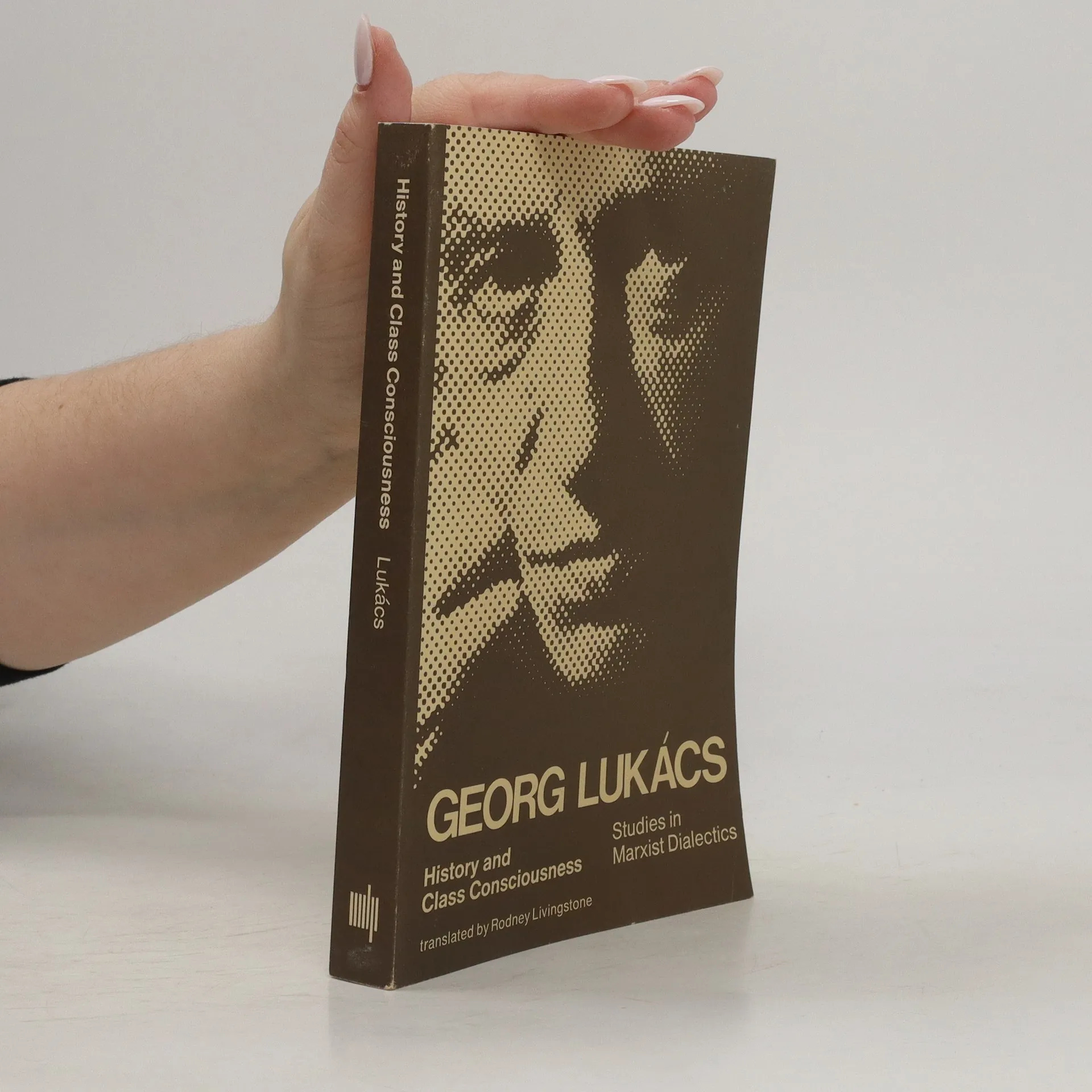
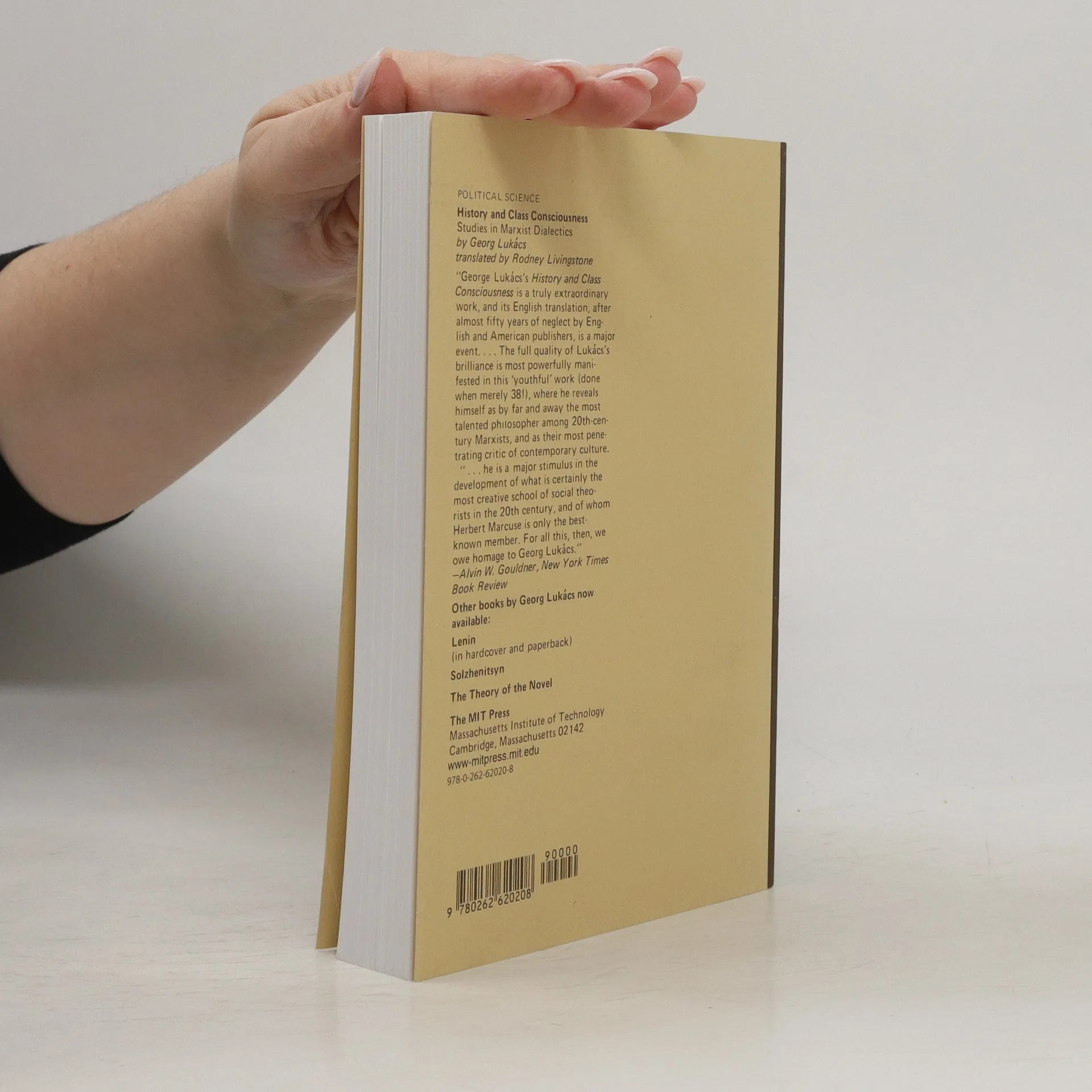

Więcej o książce
This important early theoretical writing by Lukács, first published in Germany in 1923, is now available in English for the first time. It comprises a series of essays addressing various topics, including the definition of orthodox Marxism, legality and illegality, Rosa Luxemburg's role as a Marxist, the evolution of Historic Marxism, class consciousness, and the awareness of the Proletariat. In 1968, Lukács reflected on the book's impact, emphasizing the significance of alienation as a central theme in revolutionary critiques of capitalism. He noted that this concept, rooted in Hegelian dialectic, was pivotal for understanding the historical and methodological contexts of his time. Following the book's publication, alienation was further explored in philosophical discussions, notably by Heidegger in "Being and Time," and later by Sartre and his followers. The interplay of Marxist and Existentialist thought, particularly in post-World War II France, highlighted the recognition of alienation as a critical issue across various ideological perspectives. Lukács asserted that "History and Class Consciousness" profoundly influenced the youthful intelligentsia, acknowledging its role in shaping contemporary thought on alienation, which resonated with both bourgeois and proletarian thinkers across the political spectrum.



Zakup książki
History and class consciousness, György Lukács
- Język

- Rok wydania
- 1972
- Oprawa
- (miękka)
Metody płatności
Brakuje nam tutaj Twojej recenzji.
- Tytuł
- History and class consciousness
- Język
- angielski
- Autorzy
- György Lukács
- Wydawca
- MIT Press
- Rok wydania
- 1972
- Oprawa
- miękka
- Liczba stron
- 404
- ISBN10
- 0262620200
- ISBN13
- 9780262620208
- Seria
- Kategorie
- Ocena
- 4,05 z 5
- Opis
- This important early theoretical writing by Lukács, first published in Germany in 1923, is now available in English for the first time. It comprises a series of essays addressing various topics, including the definition of orthodox Marxism, legality and illegality, Rosa Luxemburg's role as a Marxist, the evolution of Historic Marxism, class consciousness, and the awareness of the Proletariat. In 1968, Lukács reflected on the book's impact, emphasizing the significance of alienation as a central theme in revolutionary critiques of capitalism. He noted that this concept, rooted in Hegelian dialectic, was pivotal for understanding the historical and methodological contexts of his time. Following the book's publication, alienation was further explored in philosophical discussions, notably by Heidegger in "Being and Time," and later by Sartre and his followers. The interplay of Marxist and Existentialist thought, particularly in post-World War II France, highlighted the recognition of alienation as a critical issue across various ideological perspectives. Lukács asserted that "History and Class Consciousness" profoundly influenced the youthful intelligentsia, acknowledging its role in shaping contemporary thought on alienation, which resonated with both bourgeois and proletarian thinkers across the political spectrum.