


Więcej o książce
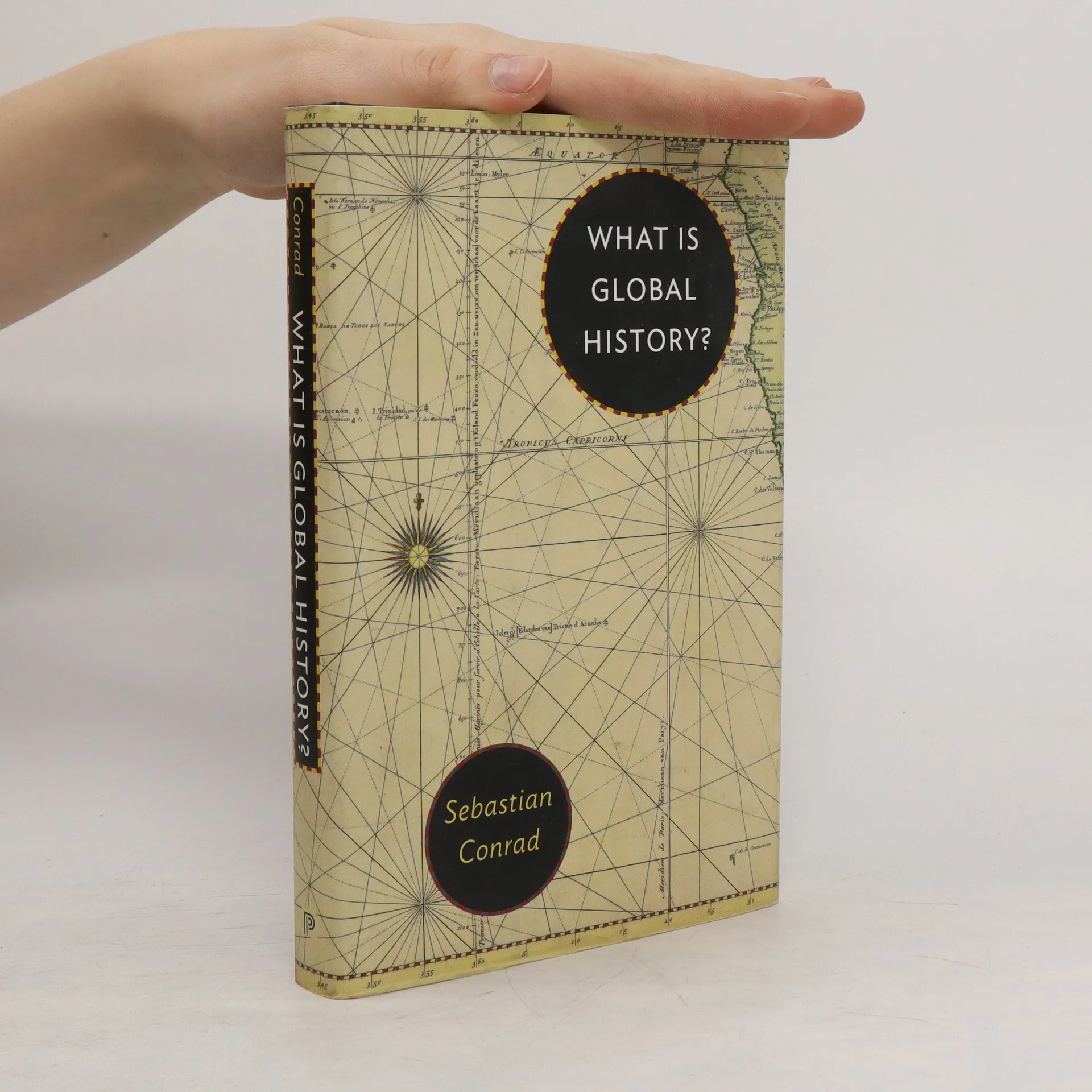
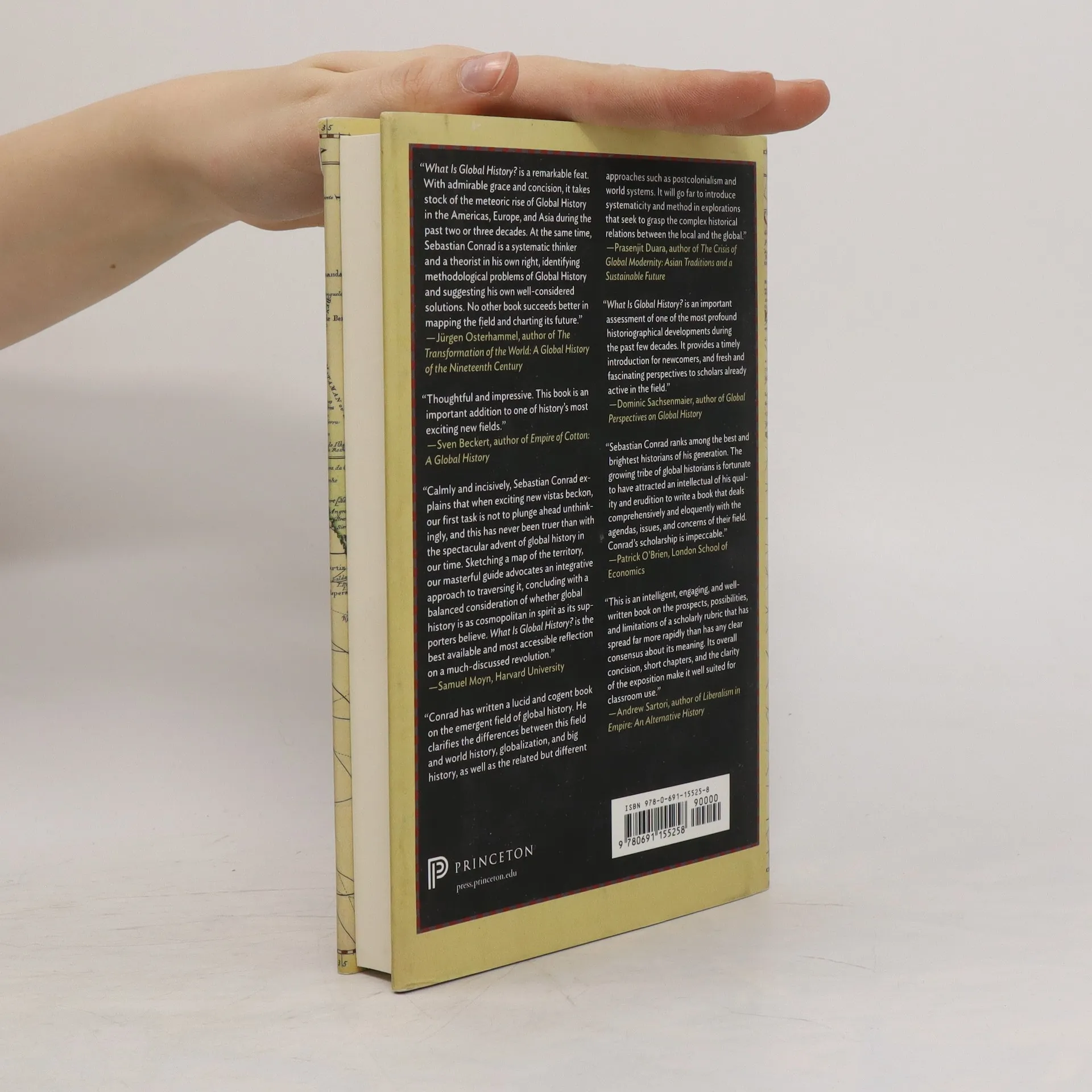
This comprehensive overview delves into the innovative discipline of global history, which has emerged in response to the transformative effects of globalization. Traditional historical methods, rooted in the nineteenth century, are no longer adequate for understanding the interconnectedness of nations or the global narrative that transcends Western perspectives. The book outlines the dynamic nature of global history, emphasizing its challenge to conventional historical premises and methodologies. It tackles critical questions facing the discipline in the twenty-first century, such as the distinction between global history and other world history interpretations, how to avoid Eurocentrism while preventing new centrisms, and the politics surrounding global history. Additionally, it examines the challenges and limitations of this new paradigm, including the audience for whom global history should be written. Authored by a leading expert, this accessible work illustrates how viewing the past as an integrated whole can reshape the field of history, offering insights relevant to our increasingly globalized world.



Zakup książki
What is Global History?, Sebastian Conrad
- Język

- Rok wydania
- 2016
- Oprawa
- (twarda)
Metody płatności
Brakuje nam tutaj Twojej recenzji.
- Tytuł
- What is Global History?
- Język
- angielski
- Autorzy
- Sebastian Conrad
- Wydawca
- Princeton University Press
- Rok wydania
- 2016
- Oprawa
- twarda
- Liczba stron
- 312
- ISBN10
- 0691155259
- ISBN13
- 9780691155258
- Seria
- Kategorie
- Tagi
- Ocena
- 3,75 z 5
- Opis
- This comprehensive overview delves into the innovative discipline of global history, which has emerged in response to the transformative effects of globalization. Traditional historical methods, rooted in the nineteenth century, are no longer adequate for understanding the interconnectedness of nations or the global narrative that transcends Western perspectives. The book outlines the dynamic nature of global history, emphasizing its challenge to conventional historical premises and methodologies. It tackles critical questions facing the discipline in the twenty-first century, such as the distinction between global history and other world history interpretations, how to avoid Eurocentrism while preventing new centrisms, and the politics surrounding global history. Additionally, it examines the challenges and limitations of this new paradigm, including the audience for whom global history should be written. Authored by a leading expert, this accessible work illustrates how viewing the past as an integrated whole can reshape the field of history, offering insights relevant to our increasingly globalized world.