



Więcej o książce
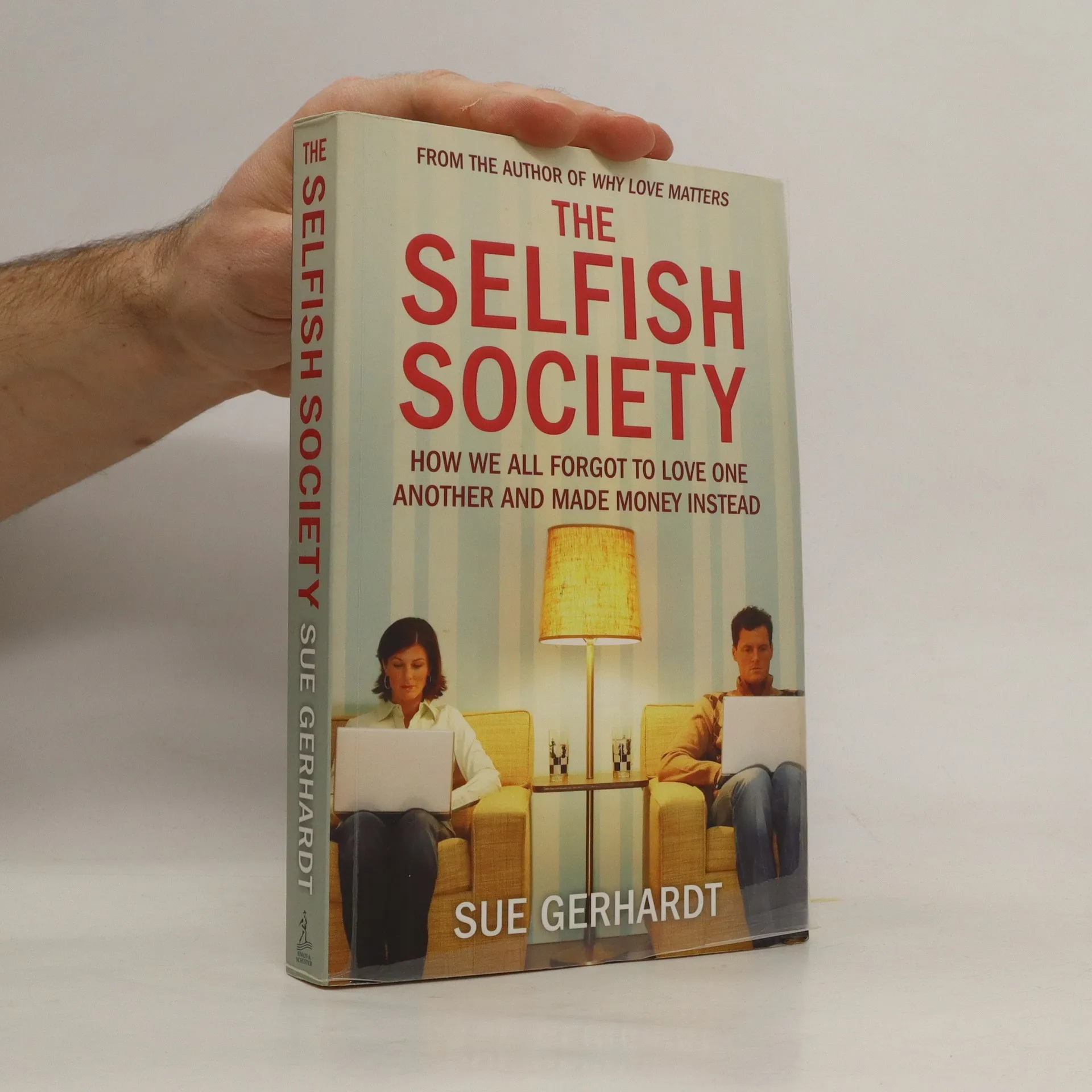
The Selfish Society shows that selfishness in public life and public behaviour has its roots in poor care in early childhood. The author draws on developmental psychology and neuroscience to show how the values of empathy and responsibility to others are passed on through early child-rearing -- not through rational instruction, but from the way our parental figures behave. When babies are not treated with sensitivity and personal care, those values are undermined. Early childcare is of crucial importance to society. This book tackles these controversial issues, assessing the impact of feminism on our current dilemmas. It argues that women have been co-opted into a materialism which has reached its limits of usefulness to human society. If we are to build a more caring society, we need to support the development of relationships that are learnt in early life, and integrate them into our political and economic thinking.

Zakup książki
The Selfish Society, Sue Gerhardt
- Język

- Rok wydania
- 2010
- Oprawa
- (miękka)
Metody płatności
Brakuje nam tutaj Twojej recenzji.
- Tytuł
- The Selfish Society
- Język
- angielski
- Autorzy
- Sue Gerhardt
- Wydawca
- Simon & Schuster UK
- Rok wydania
- 2010
- Oprawa
- miękka
- ISBN10
- 1847375715
- ISBN13
- 9781847375711
- Seria
- Kategorie
- Tagi
- Tematyka psychologiczna, Tematyka filozoficzna, Relacje, Społeczeństwo, Rodzicielstwo, Psychoterapia, Pieniądze, Etyka, Moralność, Kapitalizm, Wspólnota, Empatia, Społeczeństwo konsumpcyjne, Egoizm, Indywidualizm
- Pierwsze wydanie
- 2010
- Oryginalna nazwa
- The Selfish Society
- Ocena
- 3,8 z 5
- Opis
- The Selfish Society shows that selfishness in public life and public behaviour has its roots in poor care in early childhood. The author draws on developmental psychology and neuroscience to show how the values of empathy and responsibility to others are passed on through early child-rearing -- not through rational instruction, but from the way our parental figures behave. When babies are not treated with sensitivity and personal care, those values are undermined. Early childcare is of crucial importance to society. This book tackles these controversial issues, assessing the impact of feminism on our current dilemmas. It argues that women have been co-opted into a materialism which has reached its limits of usefulness to human society. If we are to build a more caring society, we need to support the development of relationships that are learnt in early life, and integrate them into our political and economic thinking.