

Parametry
- 370 stron
- 13 godzin czytania
Więcej o książce
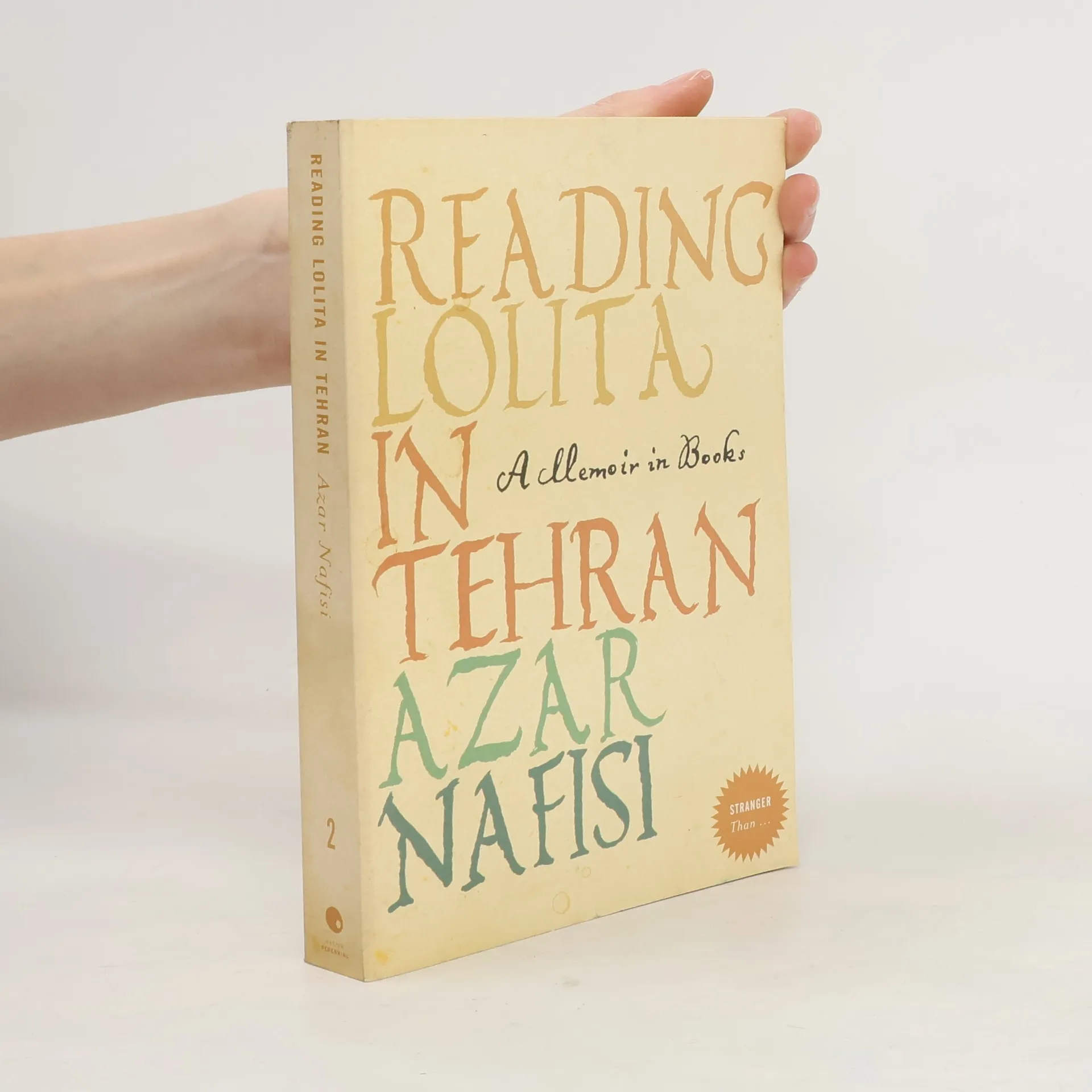
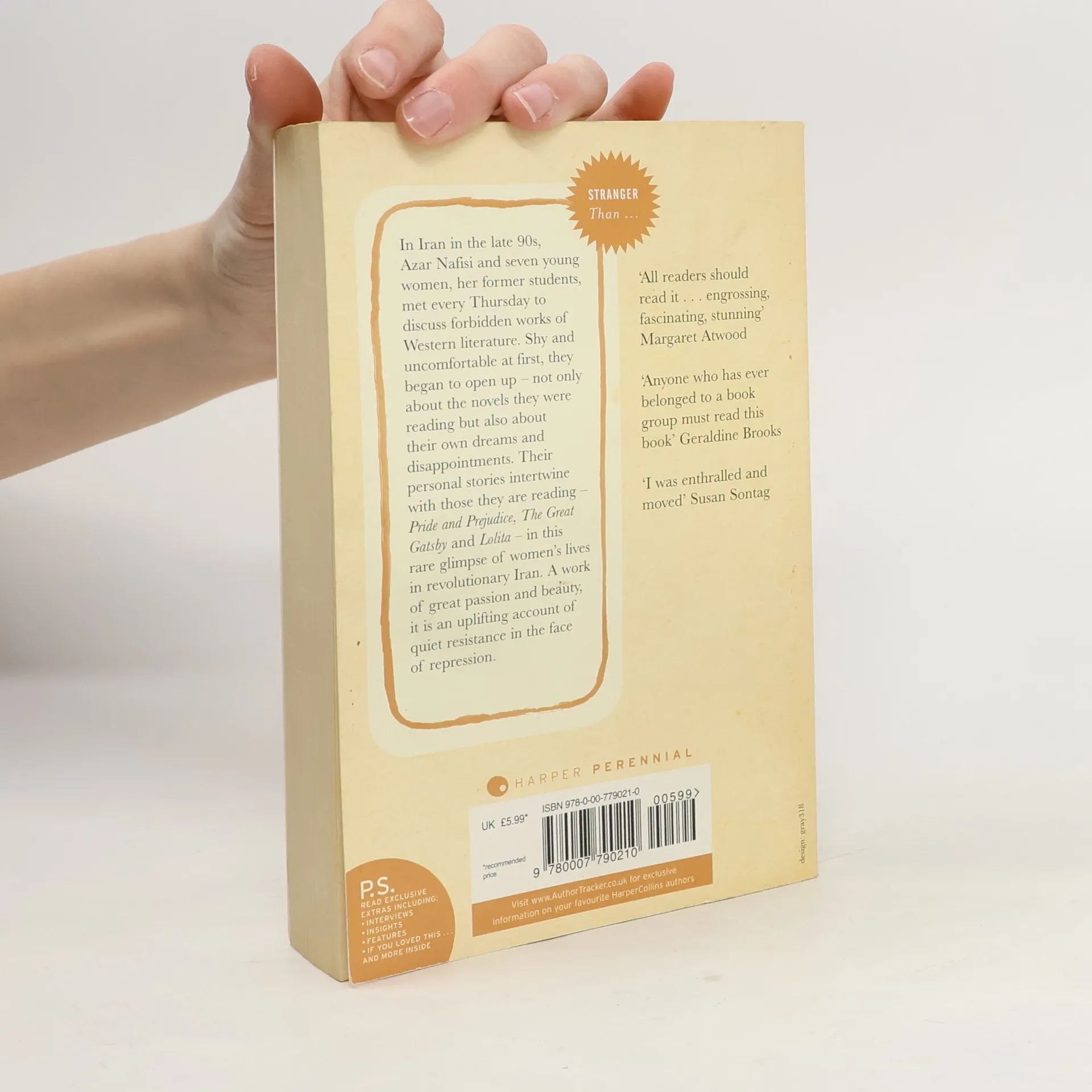
Every Thursday morning for two years in the Islamic Republic of Iran, a bold and inspired teacher named Azar Nafisi secretly gathered seven of her most committed female students to read forbidden Western classics. As Islamic morality squads staged arbitrary raids in Tehran, fundamentalists seized hold of the universities, and a blind censor stifled artistic expression, the girls in Azar Nafisi's living room risked removing their veils and immersed themselves in the worlds of Jane Austen, F. Scott Fitzgerald, Henry James, and Vladimir Nabokov. In this extraordinary memoir, their stories become intertwined with the ones they are reading. Reading Lolita in Tehran is a remarkable exploration of resilience in the face of tyranny and a celebration of the liberating power of literature.







Zakup książki
Reading Lolita in Tehran 2, Azar Nafisi
- Język

- Rok wydania
- 2007
- Oprawa
- (miękka)
Metody płatności
Brakuje nam tutaj Twojej recenzji.
- Tytuł
- Reading Lolita in Tehran 2
- Język
- angielski
- Autorzy
- Azar Nafisi
- Wydawca
- Harper
- Rok wydania
- 2007
- Oprawa
- miękka
- Liczba stron
- 370
- ISBN10
- 000779021X
- ISBN13
- 9780007790210
- Seria
- Kategorie
- Tagi
- Tematy historyczne, Tematy religijne, Kobiety, Prawdziwe historie, Fikcja wojenna, Wojny, Literatura amerykańska, Feminizm, Literatura angielska, Krytyka społeczna, Dzienniki, Studia, O książkach, Historia XX wieku, Czytelnictwo, Iran, Nauka czytania, Prawa kobiet, Bliski & Środkowy Wschód, Reżimy totalitarne, Persja, Jane Austen, Państwo totalitarne, Kobiety w islamie, Literatura perska, Literatura irańska, Książki zakazane
- Pierwsze wydanie
- 2003
- Oryginalna nazwa
- Reading Lolita in Tehran
- Ocena
- 3,65 z 5
- Opis
- Every Thursday morning for two years in the Islamic Republic of Iran, a bold and inspired teacher named Azar Nafisi secretly gathered seven of her most committed female students to read forbidden Western classics. As Islamic morality squads staged arbitrary raids in Tehran, fundamentalists seized hold of the universities, and a blind censor stifled artistic expression, the girls in Azar Nafisi's living room risked removing their veils and immersed themselves in the worlds of Jane Austen, F. Scott Fitzgerald, Henry James, and Vladimir Nabokov. In this extraordinary memoir, their stories become intertwined with the ones they are reading. Reading Lolita in Tehran is a remarkable exploration of resilience in the face of tyranny and a celebration of the liberating power of literature.