

Więcej o książce
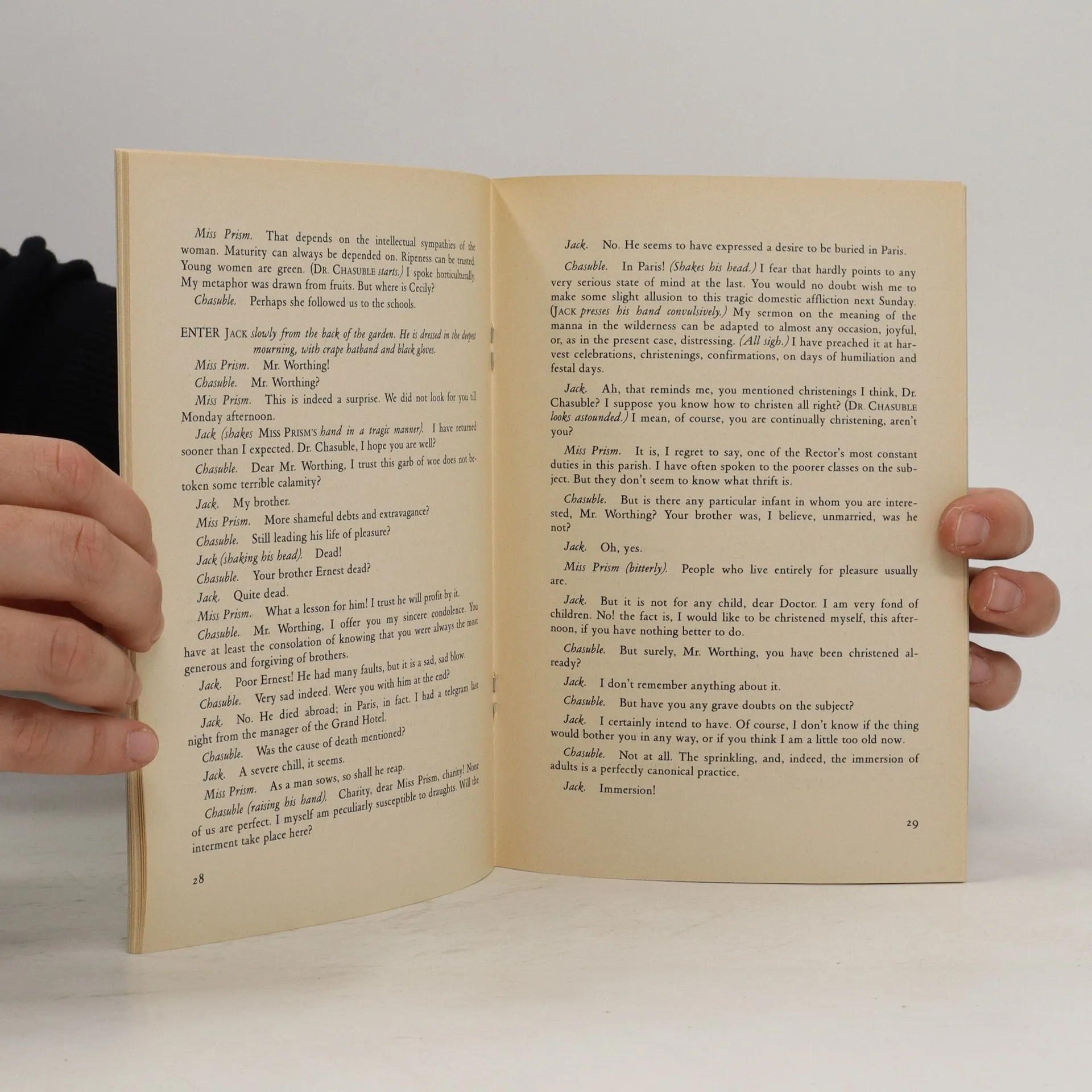
Oscar Wilde's renowned social satire features protagonists Algernon, a London dandy, and Jack, a rising gentleman from the countryside, who lead double lives to escape the constraints of their social status. Algernon enjoys country life as "Bunbury," while Jack travels to the city as "Ernest." Jack's love for Gwendolen, the daughter of Lady Bracknell and cousin to Algernon, forces him to abandon his troublesome alibi, which proves to be challenging. Algy visits him in Hertfordshire posing as his brother "Ernest," and Gwendolen, who insists on marrying only an "Ernest," also arrives. Lady Bracknell remains steadfast in her social prejudices. This comedy is one of the brightest in world theater, a precursor to absurdist theater and a masterpiece of aestheticism that exposes the superficiality of morality and social snobbery in the Victorian era while providing stylish entertainment.

Zakup książki
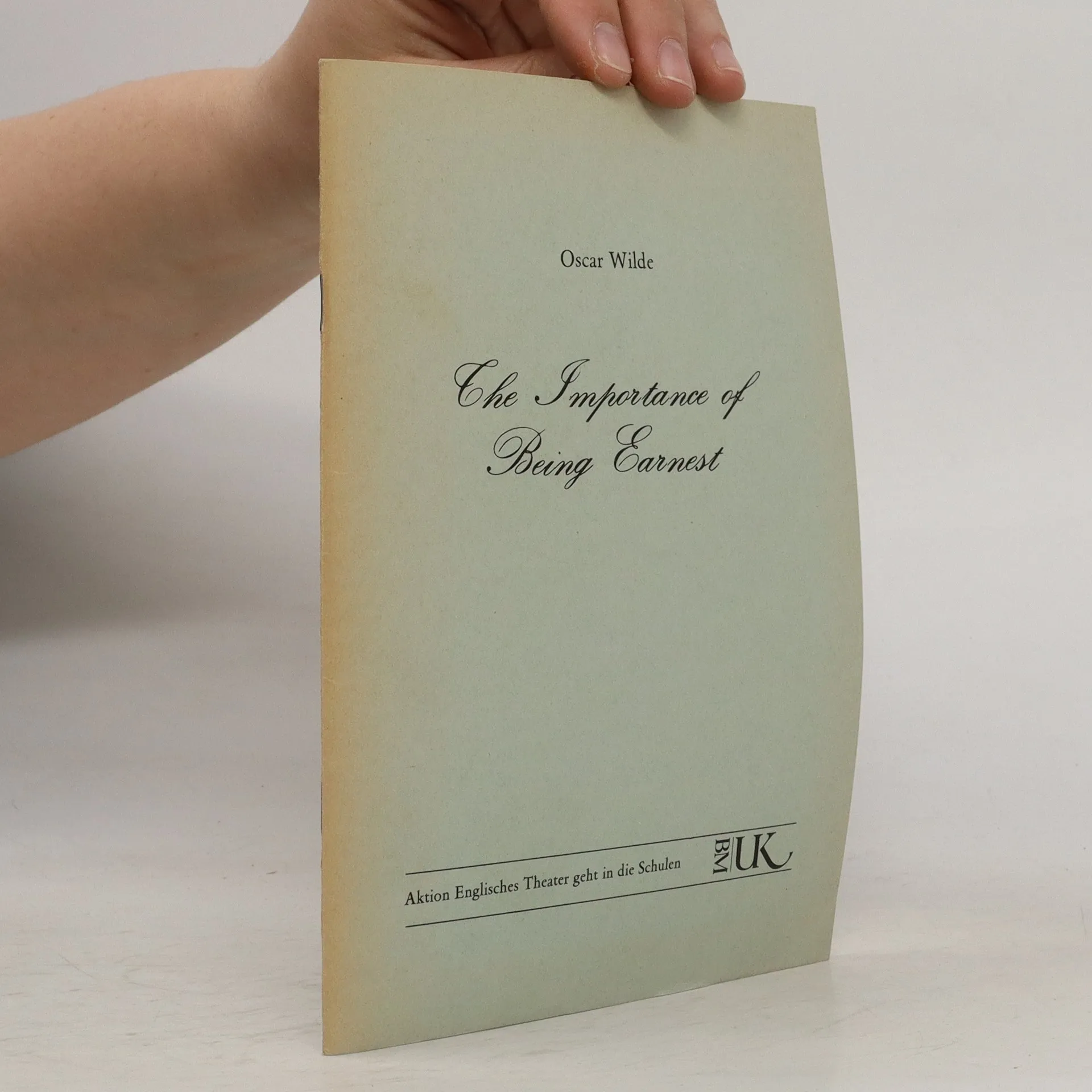
The Importance of Being Earnest, Oscar Wilde
- Język


- Rok wydania
- Oprawa
- (zeszytowa)
Metody płatności
Brakuje nam tutaj Twojej recenzji.
- Tytuł
- The Importance of Being Earnest
- Język
- angielski, niemiecki
- Autorzy
- Oscar Wilde
- Wydawca
- BMUK
- Oprawa
- zeszytowa
- Seria
- Tagi
- Tematy historyczne, Humor, Miłość, LGBTQ+, XIX wiek, Anglia, Wielka Brytania, Tajemnice, Sztuki teatralne, Literatura angielska, Komedie, Filmowa adaptacja, Przeszłość, Londyn, Satyra, Życie codzienne, Wydanie dwujęzyczne, Literatura irlandzka, Angielskie dramaty, Zamiana
- Pierwsze wydanie
- 1895
- Oryginalna nazwa
- The Importance of Being Earnest
- Ocena
- 4,25 z 5
- Opis
- Oscar Wilde's renowned social satire features protagonists Algernon, a London dandy, and Jack, a rising gentleman from the countryside, who lead double lives to escape the constraints of their social status. Algernon enjoys country life as "Bunbury," while Jack travels to the city as "Ernest." Jack's love for Gwendolen, the daughter of Lady Bracknell and cousin to Algernon, forces him to abandon his troublesome alibi, which proves to be challenging. Algy visits him in Hertfordshire posing as his brother "Ernest," and Gwendolen, who insists on marrying only an "Ernest," also arrives. Lady Bracknell remains steadfast in her social prejudices. This comedy is one of the brightest in world theater, a precursor to absurdist theater and a masterpiece of aestheticism that exposes the superficiality of morality and social snobbery in the Victorian era while providing stylish entertainment.