

Więcej o książce
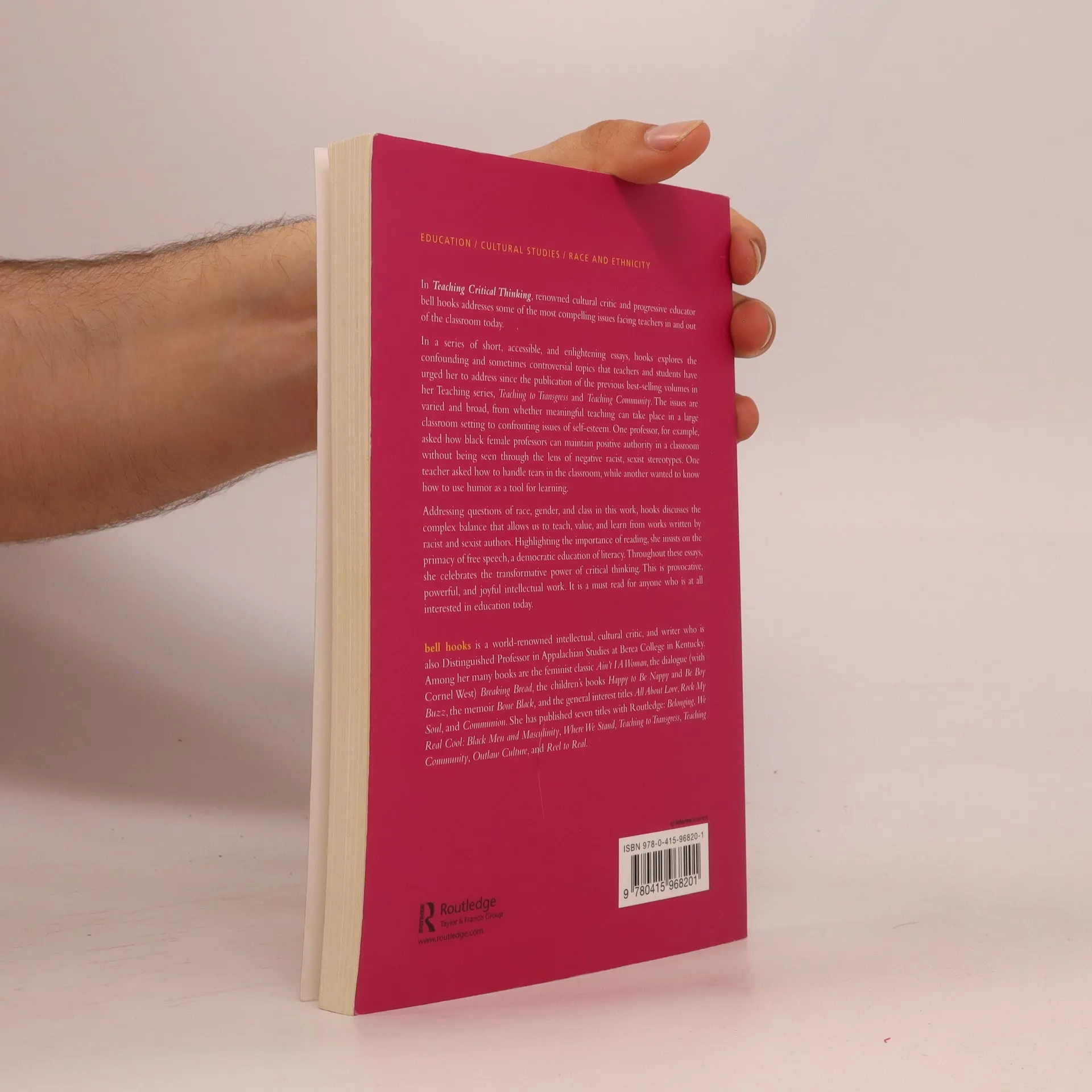
In Teaching Critical Thinking, renowned cultural critic and educator bell hooks tackles pressing issues faced by teachers today through a series of short, accessible essays. She addresses a range of topics raised by educators and students since her previous works, including whether meaningful teaching can occur in large classrooms and how to confront self-esteem challenges. For instance, one professor inquires about how black female educators can assert authority without falling victim to negative stereotypes, while another teacher seeks advice on managing emotional responses in the classroom and using humor as a learning tool. hooks delves into the complexities of race, gender, and class, discussing how to engage with works by authors who hold racist and sexist views. She emphasizes the significance of reading and advocates for free speech and democratic literacy in education. Throughout her essays, hooks celebrates the transformative power of critical thinking, making this work both provocative and joyful. It is essential reading for anyone interested in contemporary education.

Zakup książki
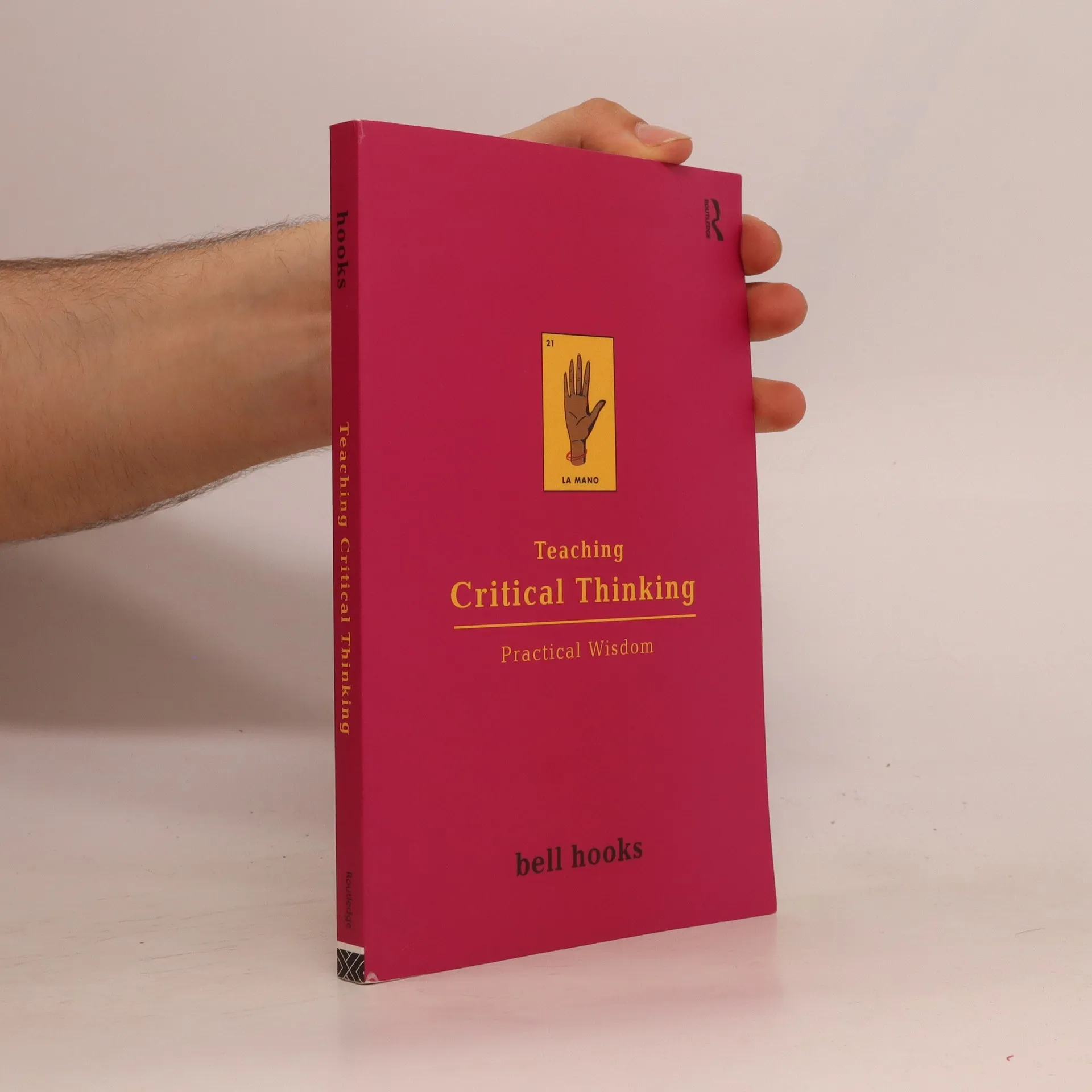
Teaching Critical Thinking, bell hooks
- Język

- Rok wydania
- 2009
- Oprawa
- (miękka)
Metody płatności
Brakuje nam tutaj Twojej recenzji.
- Tytuł
- Teaching Critical Thinking
- Język
- angielski
- Autorzy
- bell hooks
- Wydawca
- Routledge
- Rok wydania
- 2009
- Oprawa
- miękka
- Liczba stron
- 191
- ISBN10
- 0415968208
- ISBN13
- 9780415968201
- Seria
- Tagi
- Tematyka filozoficzna, Edukacja & Szkolnictwo, Feminizm, Teorie naukowe, Sprawiedliwość społeczna
- Ocena
- 4,35 z 5
- Opis
- In Teaching Critical Thinking, renowned cultural critic and educator bell hooks tackles pressing issues faced by teachers today through a series of short, accessible essays. She addresses a range of topics raised by educators and students since her previous works, including whether meaningful teaching can occur in large classrooms and how to confront self-esteem challenges. For instance, one professor inquires about how black female educators can assert authority without falling victim to negative stereotypes, while another teacher seeks advice on managing emotional responses in the classroom and using humor as a learning tool. hooks delves into the complexities of race, gender, and class, discussing how to engage with works by authors who hold racist and sexist views. She emphasizes the significance of reading and advocates for free speech and democratic literacy in education. Throughout her essays, hooks celebrates the transformative power of critical thinking, making this work both provocative and joyful. It is essential reading for anyone interested in contemporary education.