


Parametry
Więcej o książce
“Presentist democracy is without a people and without nation. Rather than regimes of borders and migration, its borders are sexism and racism, homo- and transphobia, colonialism and extractivism.” In the midst of the crises and threats to liberal democracy, Isabell Lorey develops a democracy in the present tense; one which breaks open political certainties and linear concepts of progress and growth. Her queer feminist political theory formulates a fundamental critique of masculinist concepts of the people, representation, institutions, and the multitude. In doing so, she unfolds an original concept of a presentist democracy based on care and interrelatedness, on the irreducibility of responsibilities—one which cannot be conceived of without social movements’ past struggles and current practices.

Zakup książki
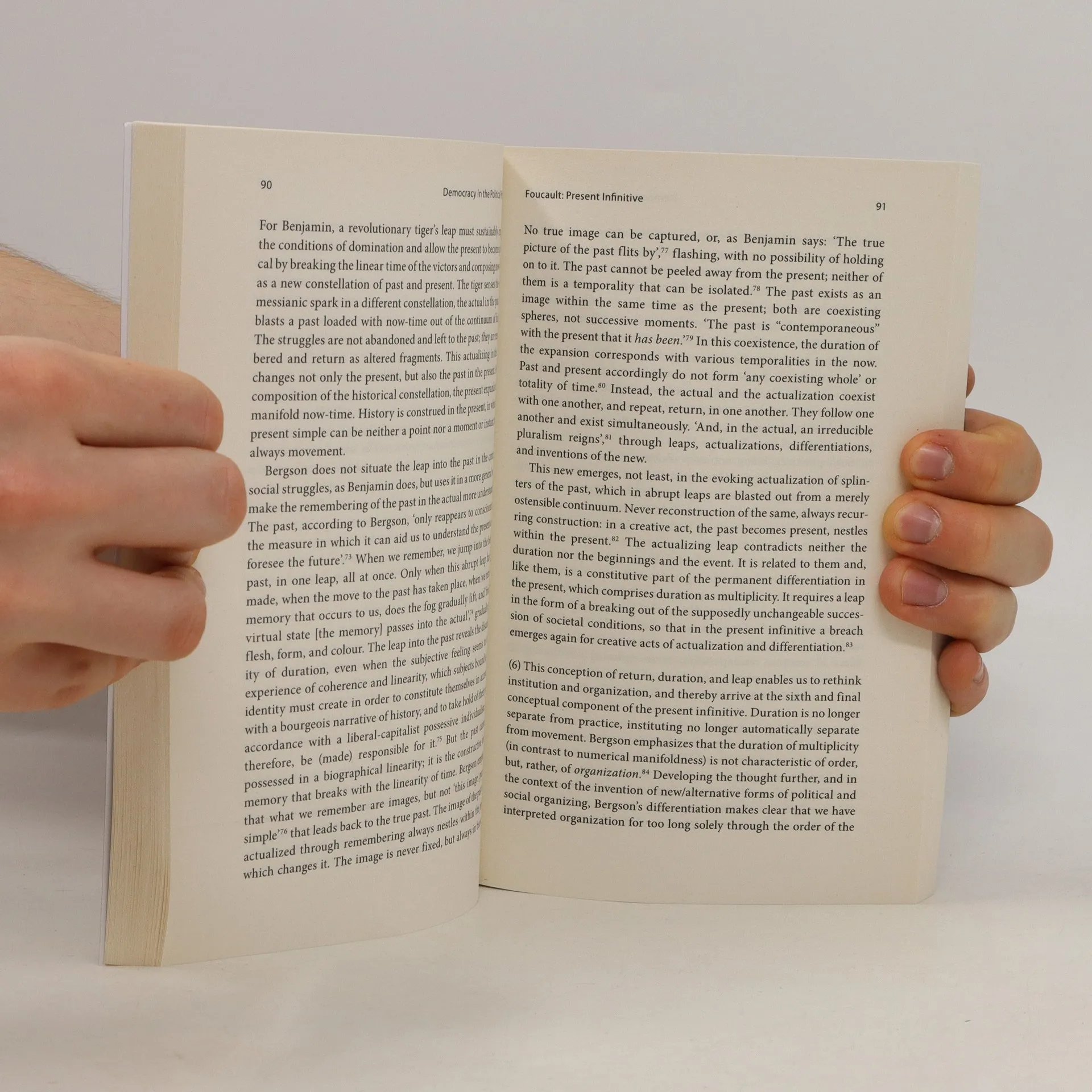
Democracy in the Political Present. A Queer-feminist Theory, Isabell Lorey
- Język

- Rok wydania
- 2022
- Oprawa
- (miękka)
Metody płatności
Brakuje nam tutaj Twojej recenzji.
- Tytuł
- Democracy in the Political Present. A Queer-feminist Theory
- Język
- angielski
- Autorzy
- Isabell Lorey
- Wydawca
- Verso Books
- Rok wydania
- 2022
- Oprawa
- miękka
- ISBN10
- 1839767332
- ISBN13
- 9781839767333
- Seria
- Ocena
- 3,55 z 5
- Opis
- “Presentist democracy is without a people and without nation. Rather than regimes of borders and migration, its borders are sexism and racism, homo- and transphobia, colonialism and extractivism.” In the midst of the crises and threats to liberal democracy, Isabell Lorey develops a democracy in the present tense; one which breaks open political certainties and linear concepts of progress and growth. Her queer feminist political theory formulates a fundamental critique of masculinist concepts of the people, representation, institutions, and the multitude. In doing so, she unfolds an original concept of a presentist democracy based on care and interrelatedness, on the irreducibility of responsibilities—one which cannot be conceived of without social movements’ past struggles and current practices.