



Więcej o książce
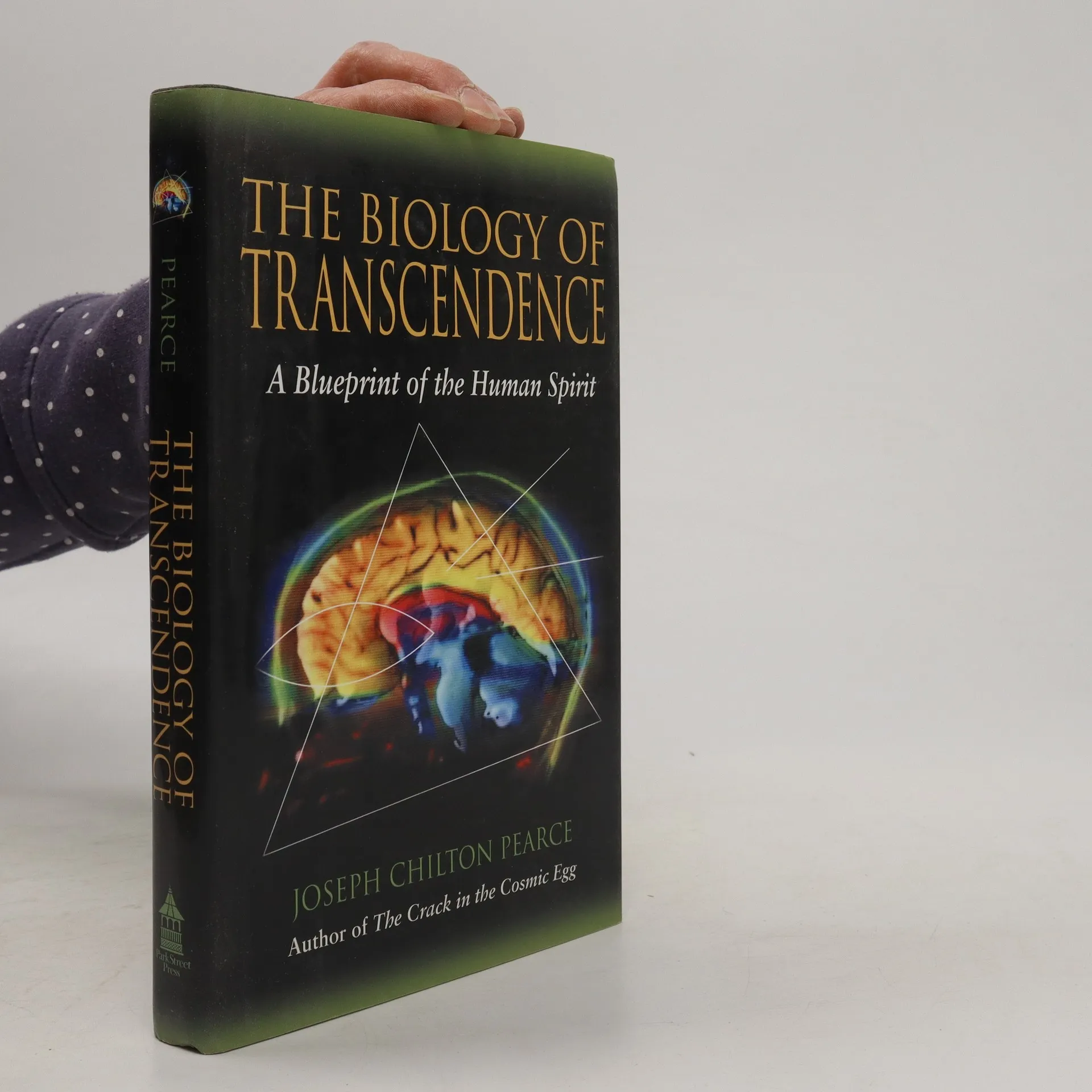
Utilizing insights from a new wave of biologists and neurologists, this exploration delves into how we can overcome current cultural and societal crises. It presents a novel biological understanding of the human organism, positing that we possess five brains, with the fifth located in the heart. The text emphasizes that transcending our existing behaviors, thoughts, and beliefs necessitates the dynamic interaction between our fourth brain (intellect) and fifth brain (intelligence). It reflects on historical figures like Jesus and Buddha as models of nature's potential and our capacity for transcendence. The author questions why humanity remains entrenched in a culture of violence and injustice, despite recognizing the transcendent ideals embodied by these figures. By examining our neural organization, the work addresses how we can surpass our evolutionary limitations. The latest research identifies our five neural centers, highlighting the importance of the interaction between the head brain and heart brain. This interplay of intellect and intelligence fosters transcendence, while cultural influences from childhood can hinder this process, trapping us in crises of violence. However, the author reassures us that transcendence is our biological imperative, a state we have been progressing toward for millennia.



Zakup książki
The Biology of Transcendence, joseph Chilton Pearce
- Język

- Rok wydania
- 2002
- Oprawa
- (twarda)
Metody płatności
Brakuje nam tutaj Twojej recenzji.
- Tytuł
- The Biology of Transcendence
- Język
- angielski
- Autorzy
- joseph Chilton Pearce
- Wydawca
- Park Street Press
- Rok wydania
- 2002
- Oprawa
- twarda
- Liczba stron
- 288
- ISBN10
- 0892819901
- ISBN13
- 9780892819904
- Seria
- Kategorie
- Tagi
- Nauki przyrodnicze, Tematyka psychologiczna, Tematy religijne, Tematyka filozoficzna, Duchowość, Nauka
- Oryginalna nazwa
- The biology of transcendence
- Ocena
- 4,25 z 5
- Opis
- Utilizing insights from a new wave of biologists and neurologists, this exploration delves into how we can overcome current cultural and societal crises. It presents a novel biological understanding of the human organism, positing that we possess five brains, with the fifth located in the heart. The text emphasizes that transcending our existing behaviors, thoughts, and beliefs necessitates the dynamic interaction between our fourth brain (intellect) and fifth brain (intelligence). It reflects on historical figures like Jesus and Buddha as models of nature's potential and our capacity for transcendence. The author questions why humanity remains entrenched in a culture of violence and injustice, despite recognizing the transcendent ideals embodied by these figures. By examining our neural organization, the work addresses how we can surpass our evolutionary limitations. The latest research identifies our five neural centers, highlighting the importance of the interaction between the head brain and heart brain. This interplay of intellect and intelligence fosters transcendence, while cultural influences from childhood can hinder this process, trapping us in crises of violence. However, the author reassures us that transcendence is our biological imperative, a state we have been progressing toward for millennia.