


Więcej o książce
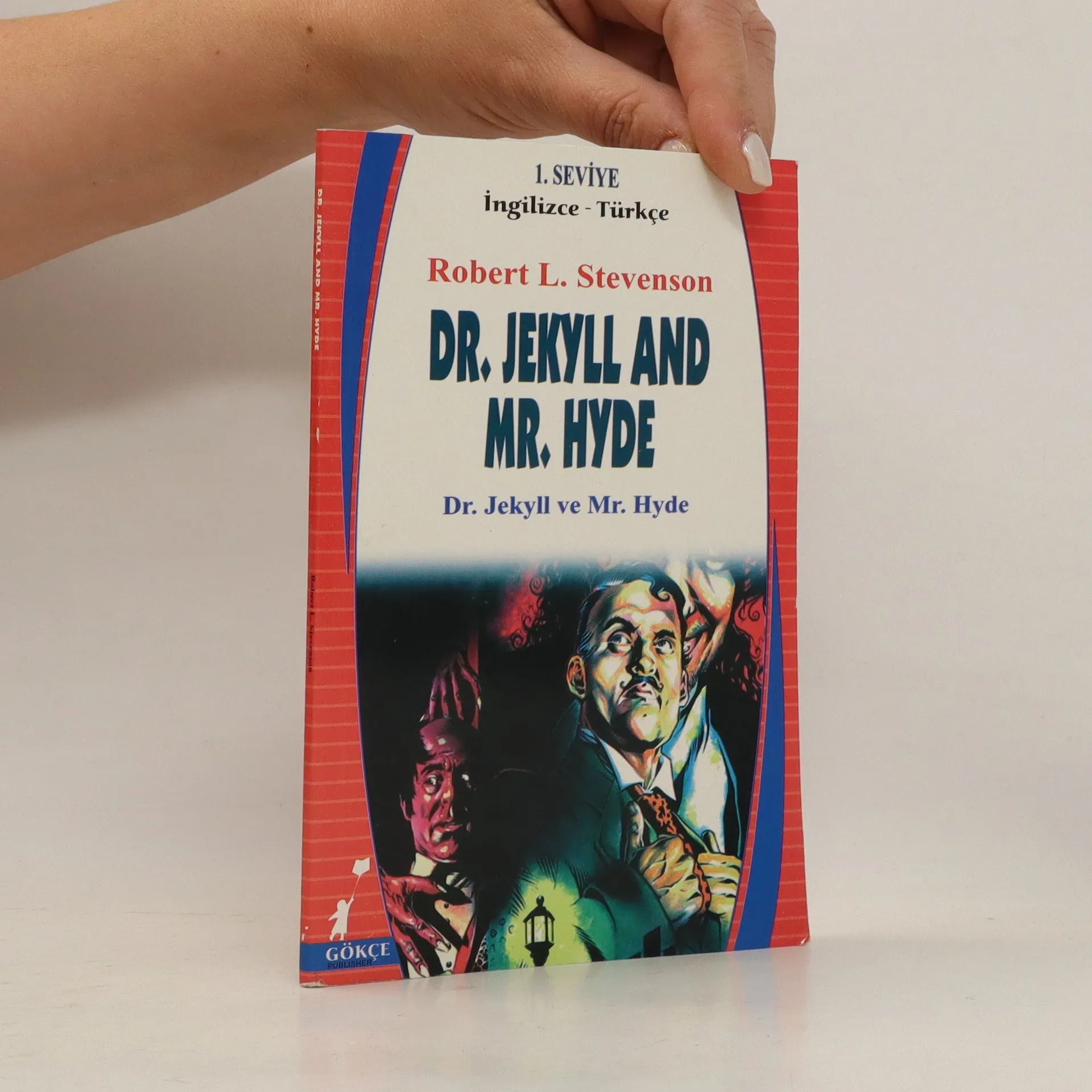
"The Strange Case of Dr. Jekyll and Mr. Hyde," published in 1886, became a bestseller with 40,000 copies sold in six months. The narrative is inspired by the true story of Deacon Brodie, an Edinburgh carpenter who led a secret double life and ultimately faced execution. Stevenson had previously written a play about this case as a teenager, titled "Deacon Brodie, or The Double Life," which was performed in 1882. The impetus for the novella came from a vivid dream in late September or early October 1885, after which Stevenson quickly drafted a first version. While recovering in Bournemouth, he experienced a near-fatal hemorrhage just before the dream and wrote almost feverishly. His wife criticized the initial draft, leading Stevenson to burn it and produce an allegorical second version within a week. The story blends various narrative styles and features a distinct tonal shift between the narrator and the embedded documents, showcasing Stevenson’s stylistic virtuosity, which was essential to preserve in translation.

Zakup książki
Dr. Jekyll And Mr. Hide / Dr. Jekyll ve Mr. Hyde, Robert Louis Stevenson
- Język


- Rok wydania
- Oprawa
- (miękka)
Metody płatności
Brakuje nam tutaj Twojej recenzji.
- Tytuł
- Dr. Jekyll And Mr. Hide / Dr. Jekyll ve Mr. Hyde
- Język
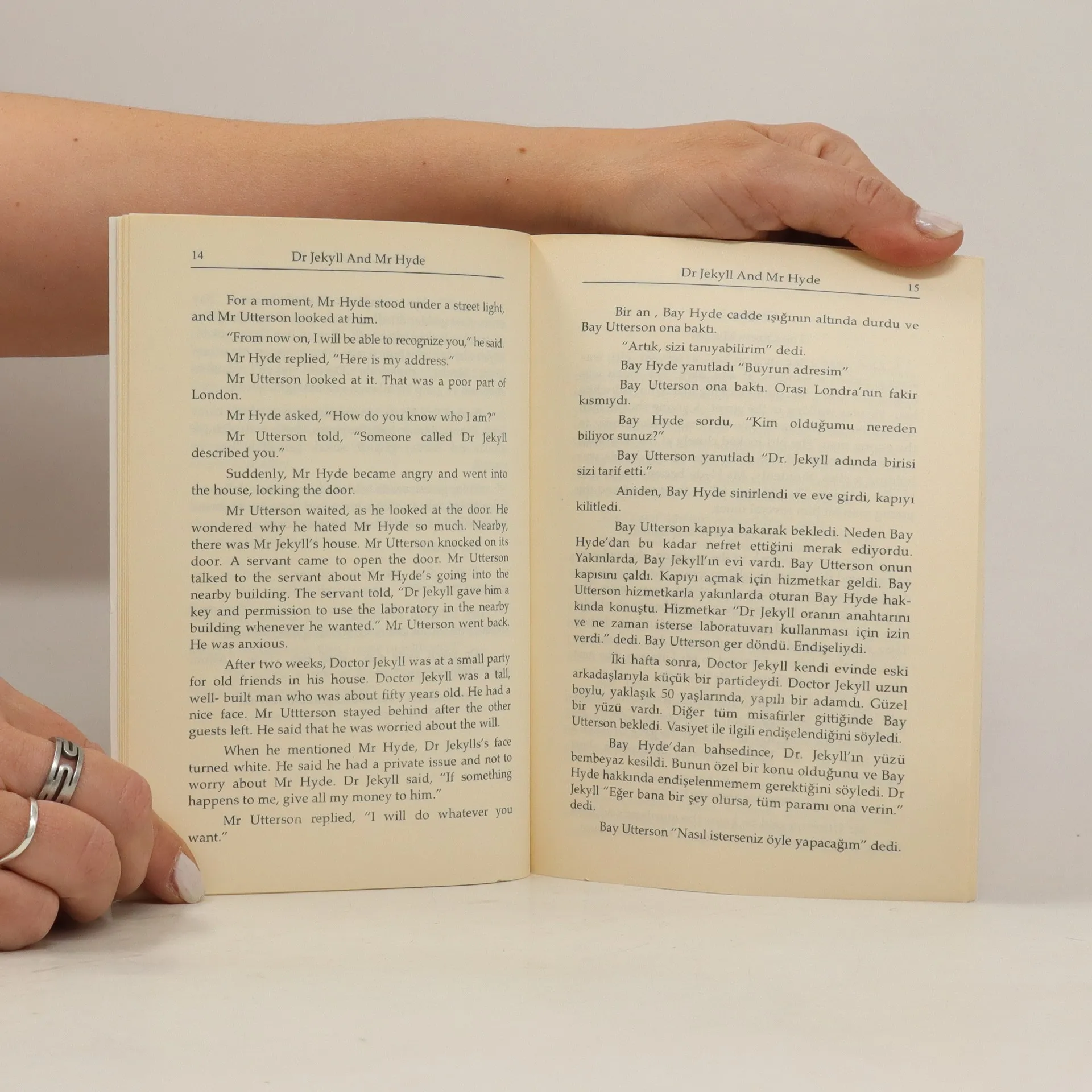
- angielski, turecki
- Autorzy
- Robert Louis Stevenson
- Wydawca
- Gökce Publisher
- Oprawa
- miękka
- ISBN10
- 605451900X
- ISBN13
- 9786054519002
- Seria
- Tagi
- Opowiadania, Z dreszczykiem, Morderstwa, Zjawiska nadprzyrodzone, XIX wiek, Anglia, Wielka Brytania, Tajemnice, Literatura angielska, Filmowa adaptacja, Nowele, Londyn, Wybór z dzieł, Gotyka, Wydanie dwujęzyczne, Potwory, Wyobraźnia, Straszne historie, Naukowcy, Szaleństwo, Schizofrenia, Fantastyka wiktoriańska, Nowy romantyzm
- Pierwsze wydanie
- 1886
- Oryginalna nazwa
- The Strange Case of Dr Jekyll and Mr Hyde
- Ocena
- 3,85 z 5
- Opis
- "The Strange Case of Dr. Jekyll and Mr. Hyde," published in 1886, became a bestseller with 40,000 copies sold in six months. The narrative is inspired by the true story of Deacon Brodie, an Edinburgh carpenter who led a secret double life and ultimately faced execution. Stevenson had previously written a play about this case as a teenager, titled "Deacon Brodie, or The Double Life," which was performed in 1882. The impetus for the novella came from a vivid dream in late September or early October 1885, after which Stevenson quickly drafted a first version. While recovering in Bournemouth, he experienced a near-fatal hemorrhage just before the dream and wrote almost feverishly. His wife criticized the initial draft, leading Stevenson to burn it and produce an allegorical second version within a week. The story blends various narrative styles and features a distinct tonal shift between the narrator and the embedded documents, showcasing Stevenson’s stylistic virtuosity, which was essential to preserve in translation.