

Parametry
Więcej o książce
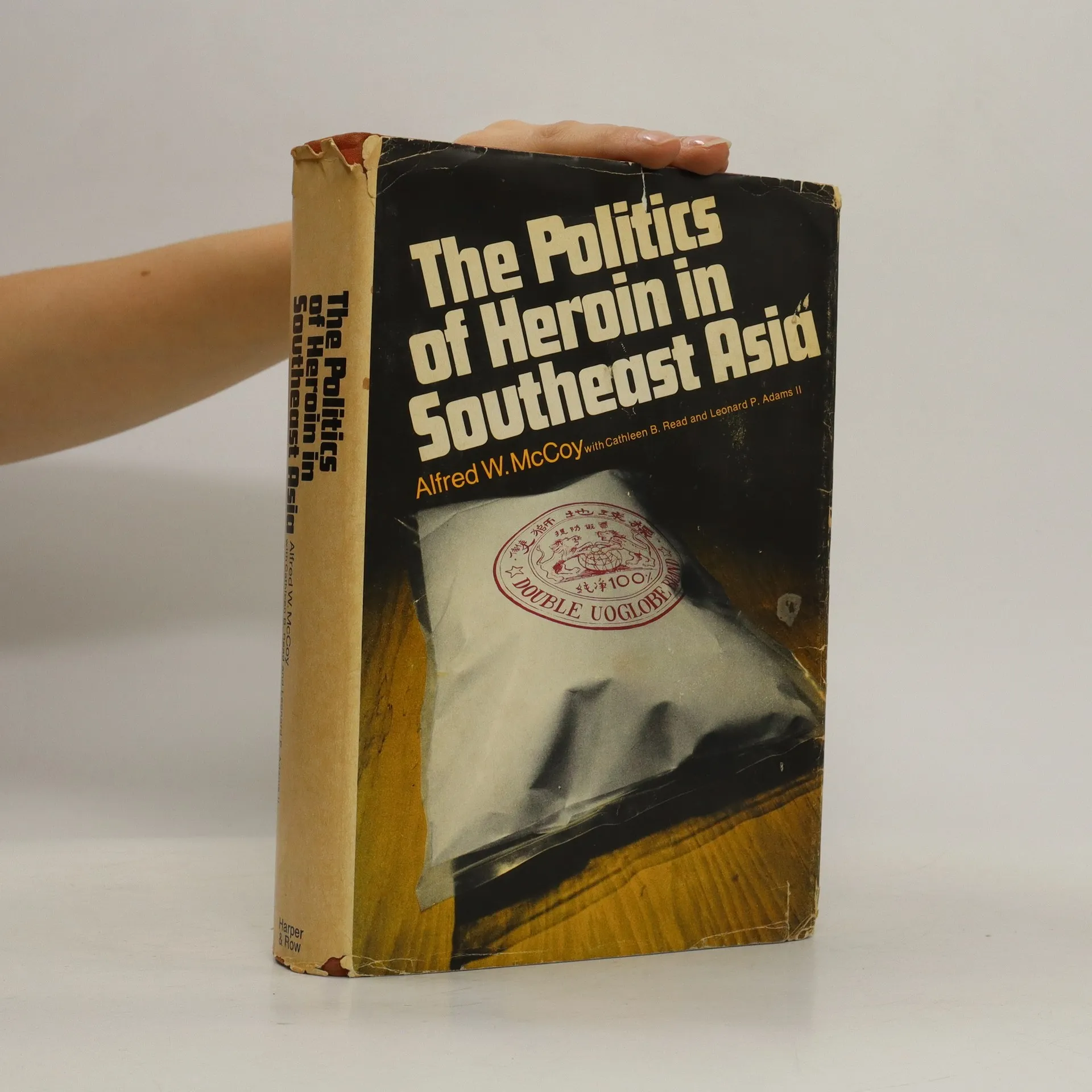
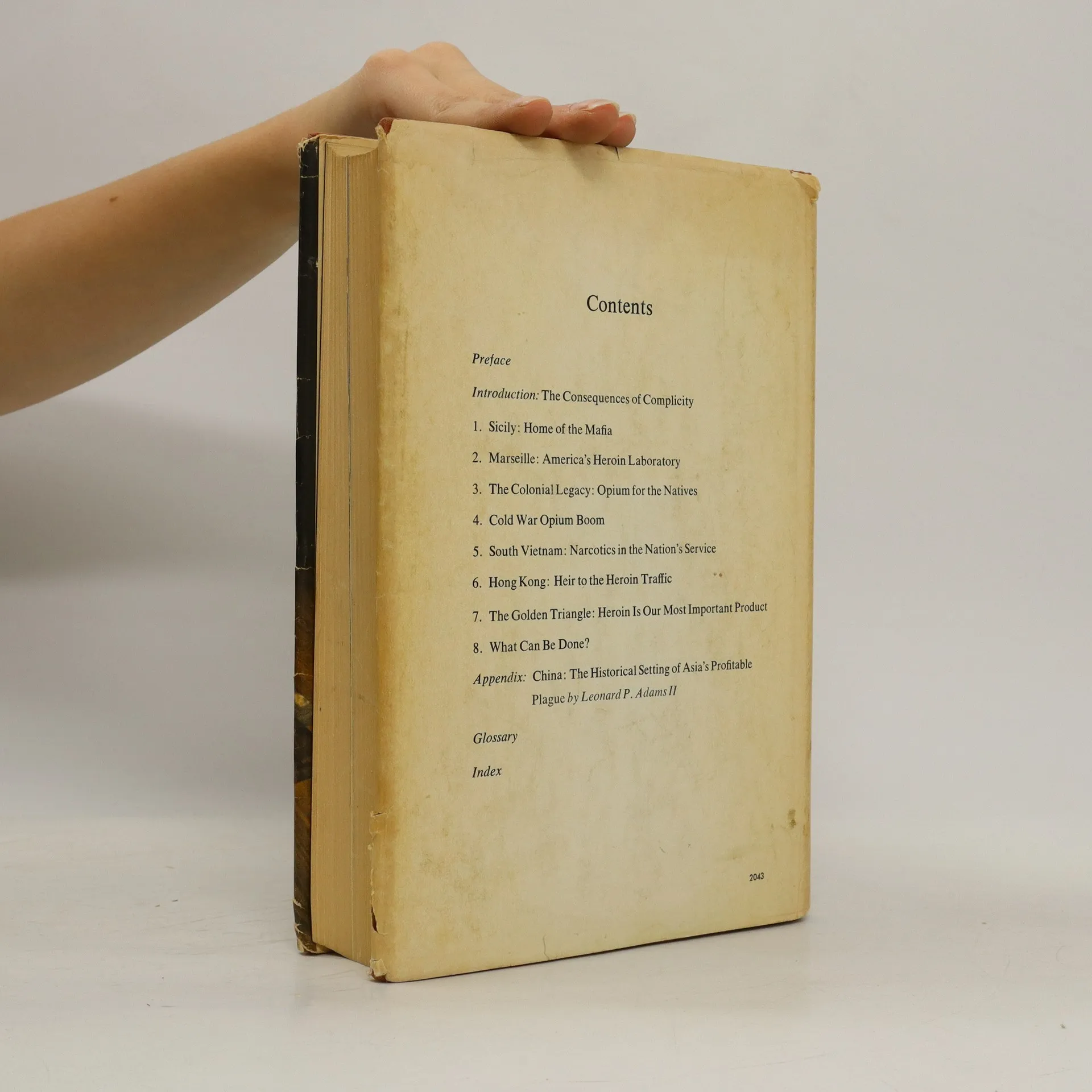
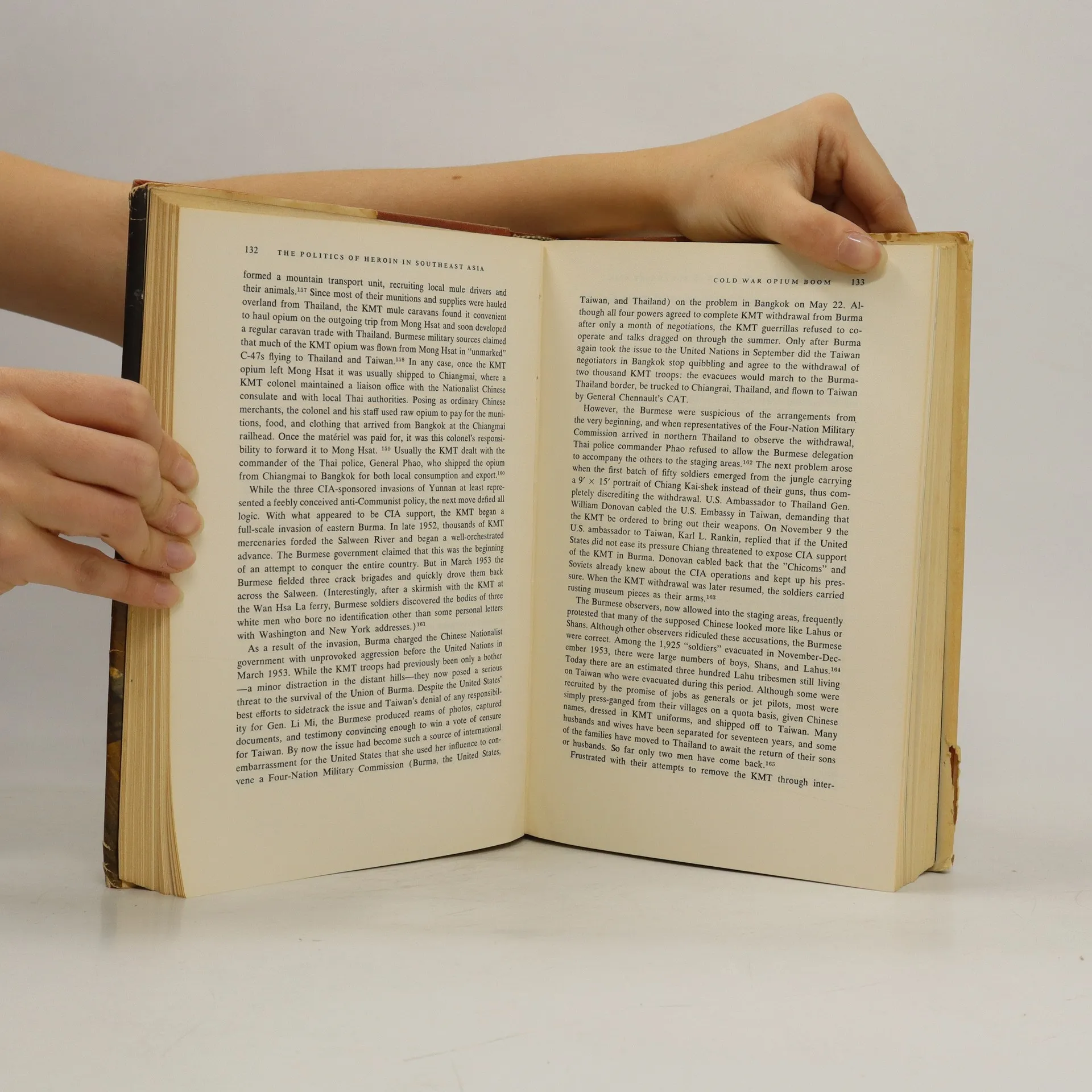
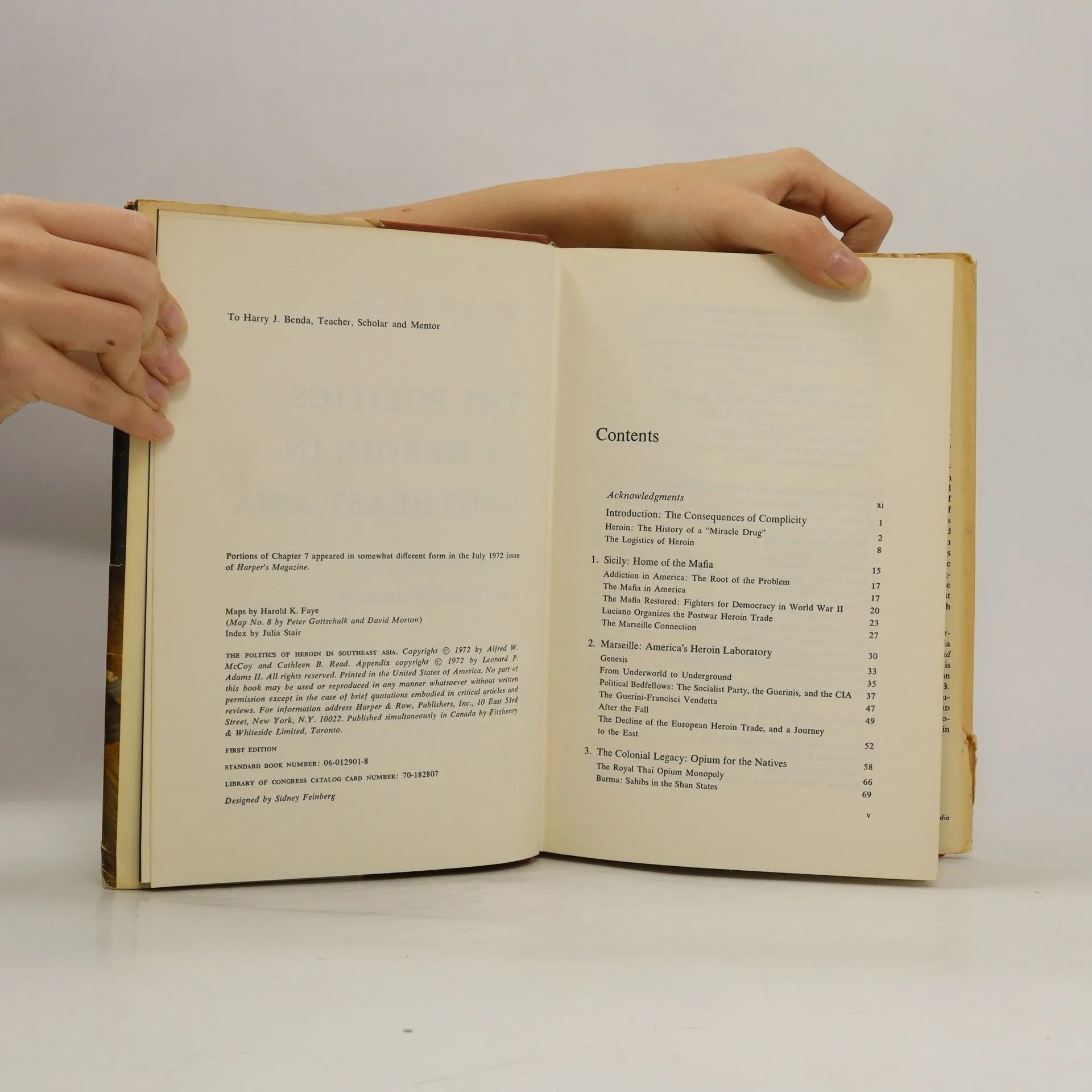
The book demonstrates the complicity of the CIA and the US government in the global drug trade. There was once a war called Prohibition, during which alcohol was officially banned, leading to the rise of the Mafia in America. It became a huge illegal business. The war on drugs, which the US continues to pursue worldwide despite the failure of this earlier experiment, has had not only similar but even worse consequences. In his classic work on the entanglement of the CIA and politics in international drug trafficking, Alfred W. McCoy masterfully recounts how drugs transformed from a private matter into a gigantic business, aided by politicians and intelligence agencies. From the Opium Wars in China to Vietnam, Europe, Afghanistan, Mexico, and the USA: everywhere, the enormous profit margins of the drug trade, made possible by aggressive prohibition policies, serve as a lubricant for corruption and abuse of power. McCoy shows that victims of all kinds testify to how the puritanical dream of a drug-free world became a nightmare for many, as it plays into the dark intentions of the powerful.

Zakup książki
The Politics of Heroin in Southeast Asia, Alfred W. McCoy
- Język

- Rok wydania
- 1972
- Oprawa
- (twarda)
Metody płatności
Nikt jeszcze nie ocenił.
- Tytuł
- The Politics of Heroin in Southeast Asia
- Język
- angielski
- Autorzy
- Alfred W. McCoy
- Wydawca
- Harper & Row
- Rok wydania
- 1972
- Oprawa
- twarda
- Seria
- Kategorie
- Tagi
- Tematy historyczne, Polityka, USA, Literatura amerykańska, Prezenty dla dziadka, Azja, Ameryka, Spisek, Służby specjalne, CIA, Heroina
- Oryginalna nazwa
- The politics of heroin
- Opis
- The book demonstrates the complicity of the CIA and the US government in the global drug trade. There was once a war called Prohibition, during which alcohol was officially banned, leading to the rise of the Mafia in America. It became a huge illegal business. The war on drugs, which the US continues to pursue worldwide despite the failure of this earlier experiment, has had not only similar but even worse consequences. In his classic work on the entanglement of the CIA and politics in international drug trafficking, Alfred W. McCoy masterfully recounts how drugs transformed from a private matter into a gigantic business, aided by politicians and intelligence agencies. From the Opium Wars in China to Vietnam, Europe, Afghanistan, Mexico, and the USA: everywhere, the enormous profit margins of the drug trade, made possible by aggressive prohibition policies, serve as a lubricant for corruption and abuse of power. McCoy shows that victims of all kinds testify to how the puritanical dream of a drug-free world became a nightmare for many, as it plays into the dark intentions of the powerful.