

Parametry
Więcej o książce
Upon entering Switzerland, Mr. White is arrested on suspicion of being the missing sculptor Anatol Ludwig Stiller. Friends, his brother, his wife Julika, and the prosecutor support this suspicion in their statements. However, Mr. White's writings during his detention contradict this assertion, emphasizing, "I am not Stiller!" Through various narratives, he attempts to escape this identity assignment, which he finds questionable, yearning for the freedom to be someone else. The story explores how the self becomes a claim to the world, opposing it with a counterclaim, a non-self. Instead of the self, a fabricated identity emerges, becoming an object. The narrative transforms the self into a criminal case. Frisch, through this form, becomes a narrator who tells not first about Stiller but about himself, about White. Stiller becomes the other whose identity he investigates, as it is constantly asserted that he is identical to him. This narrative form allows for a self-presentation that engages the reader and encourages participation. Without this involvement, Stiller remains neither readable nor comprehensible.


Zakup książki
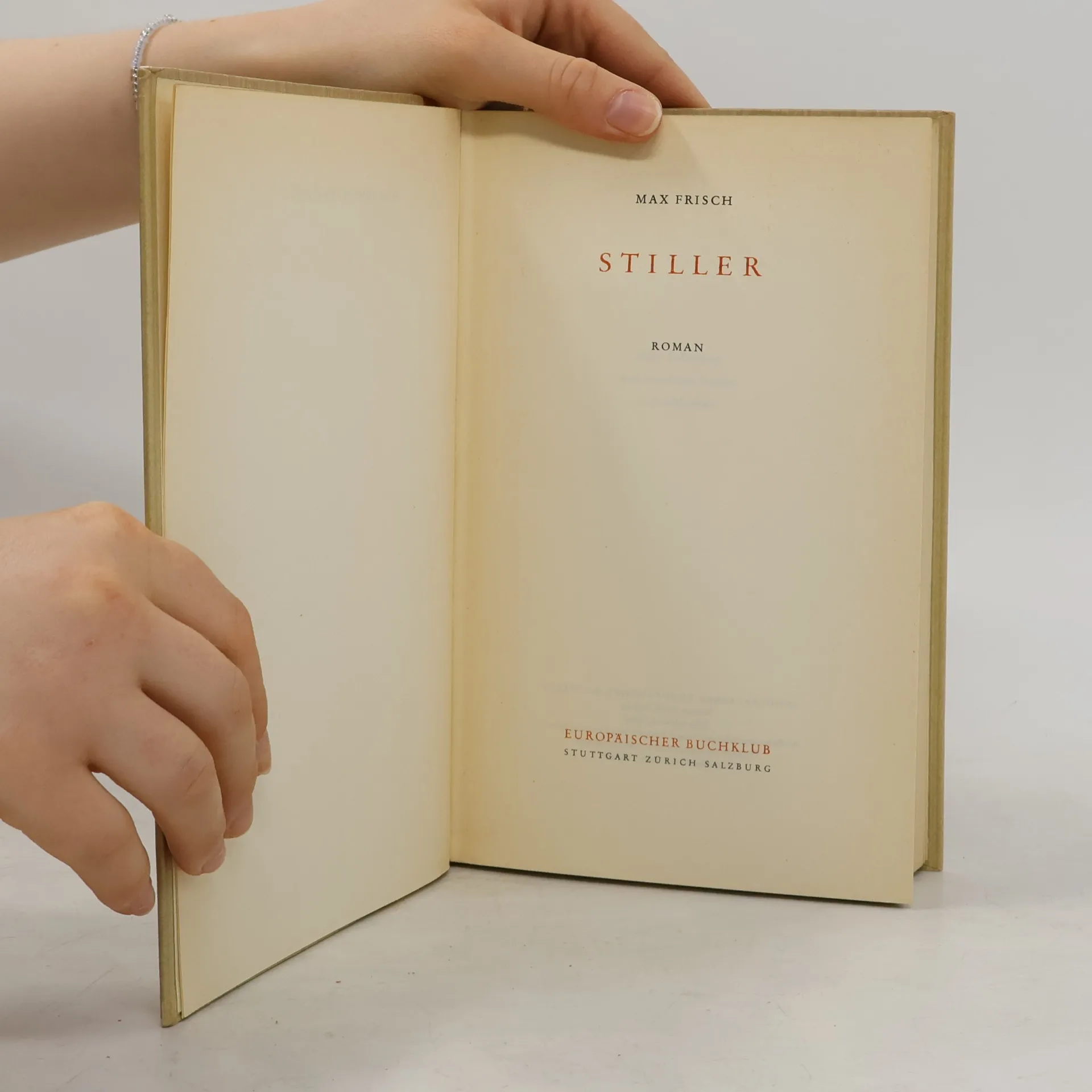
Stiller, Max Frisch
- Język

- Rok wydania
- Oprawa
- (twarda),
- Stan książki
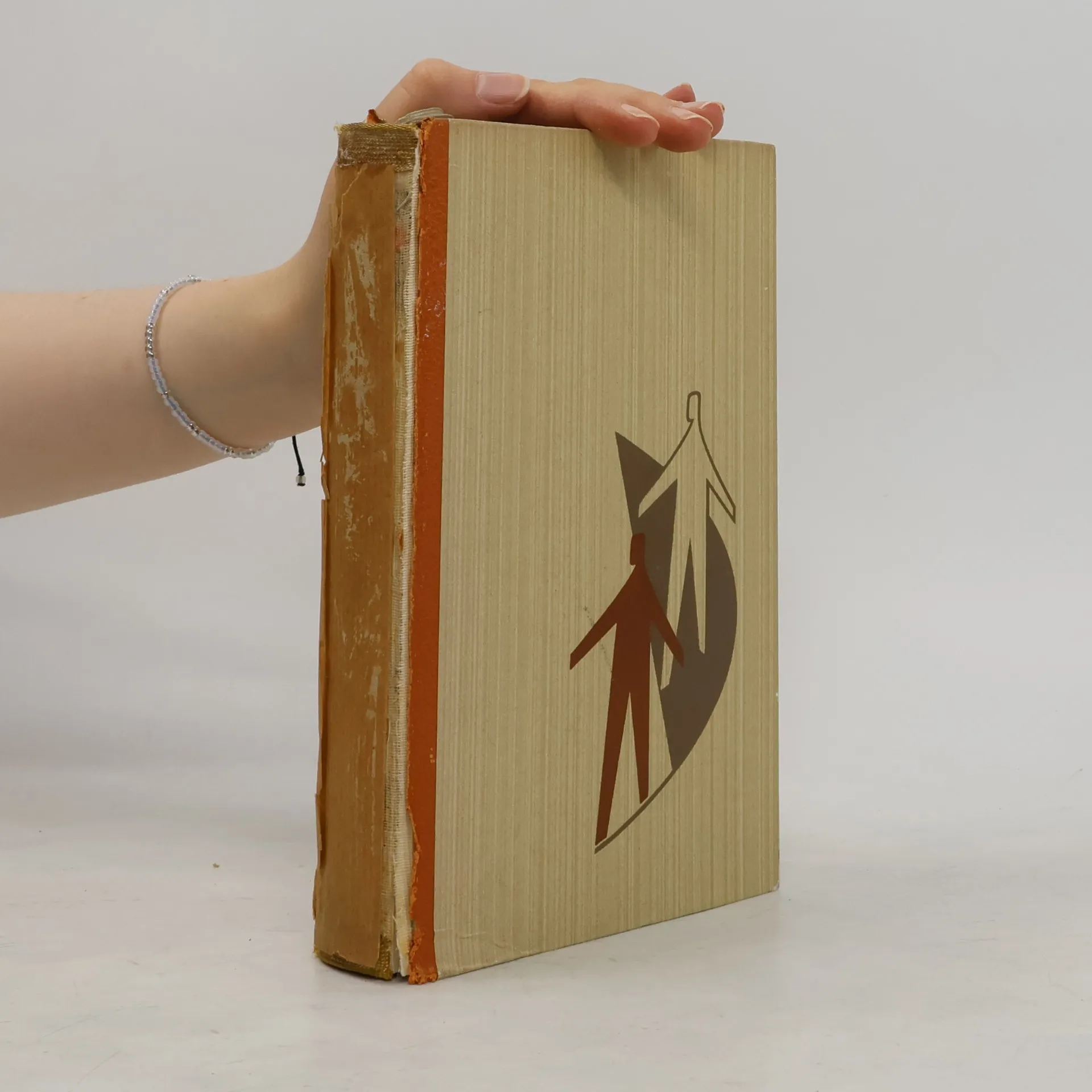
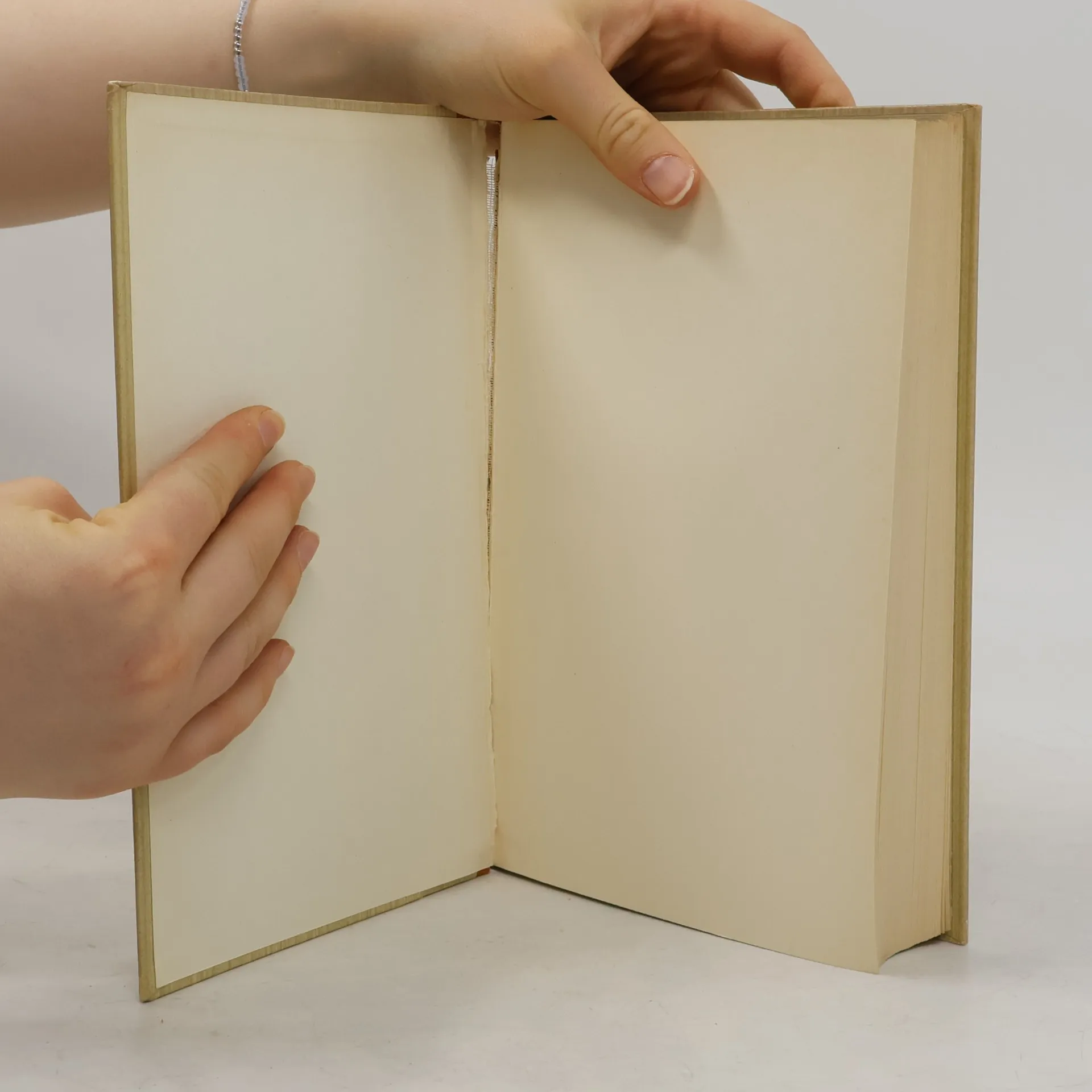
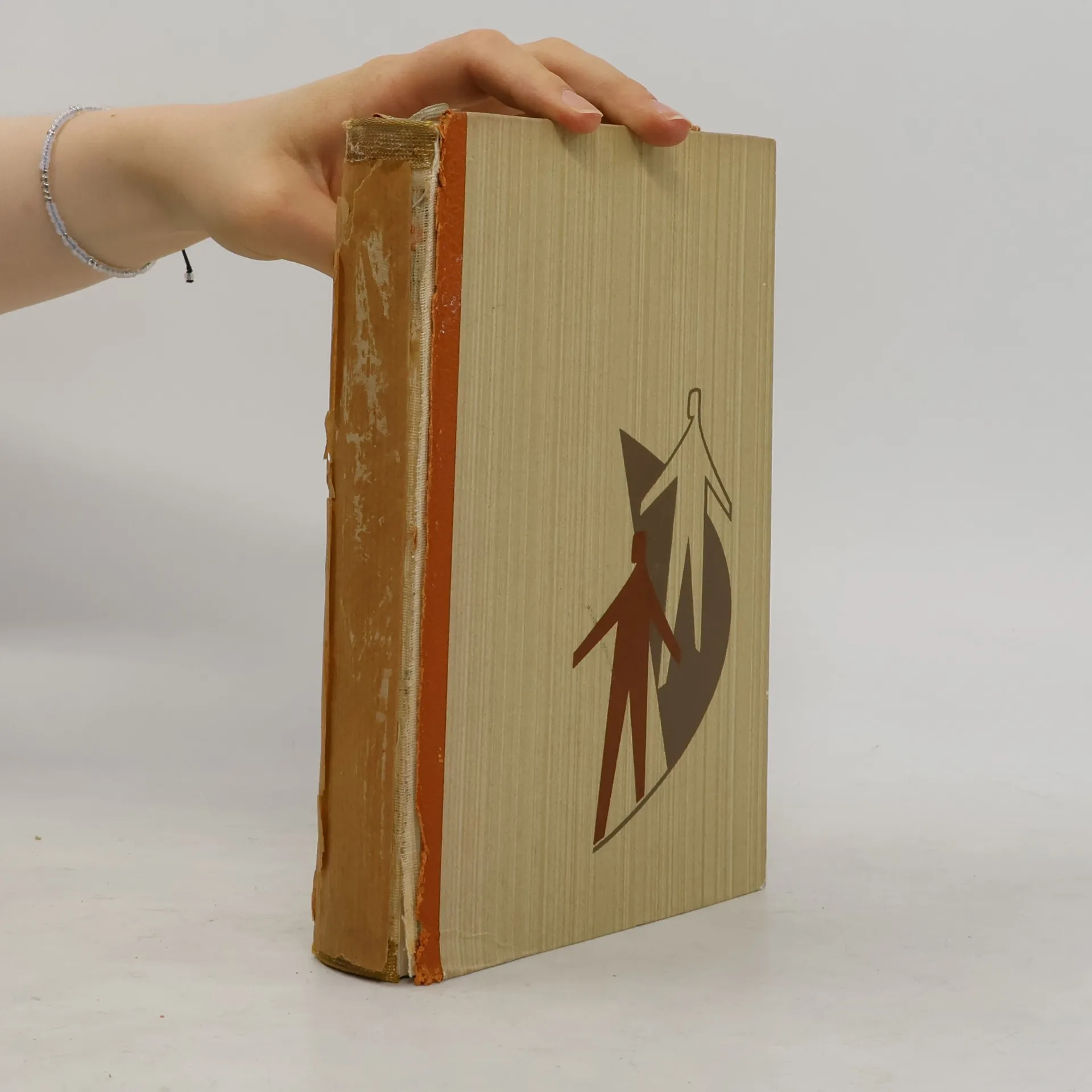
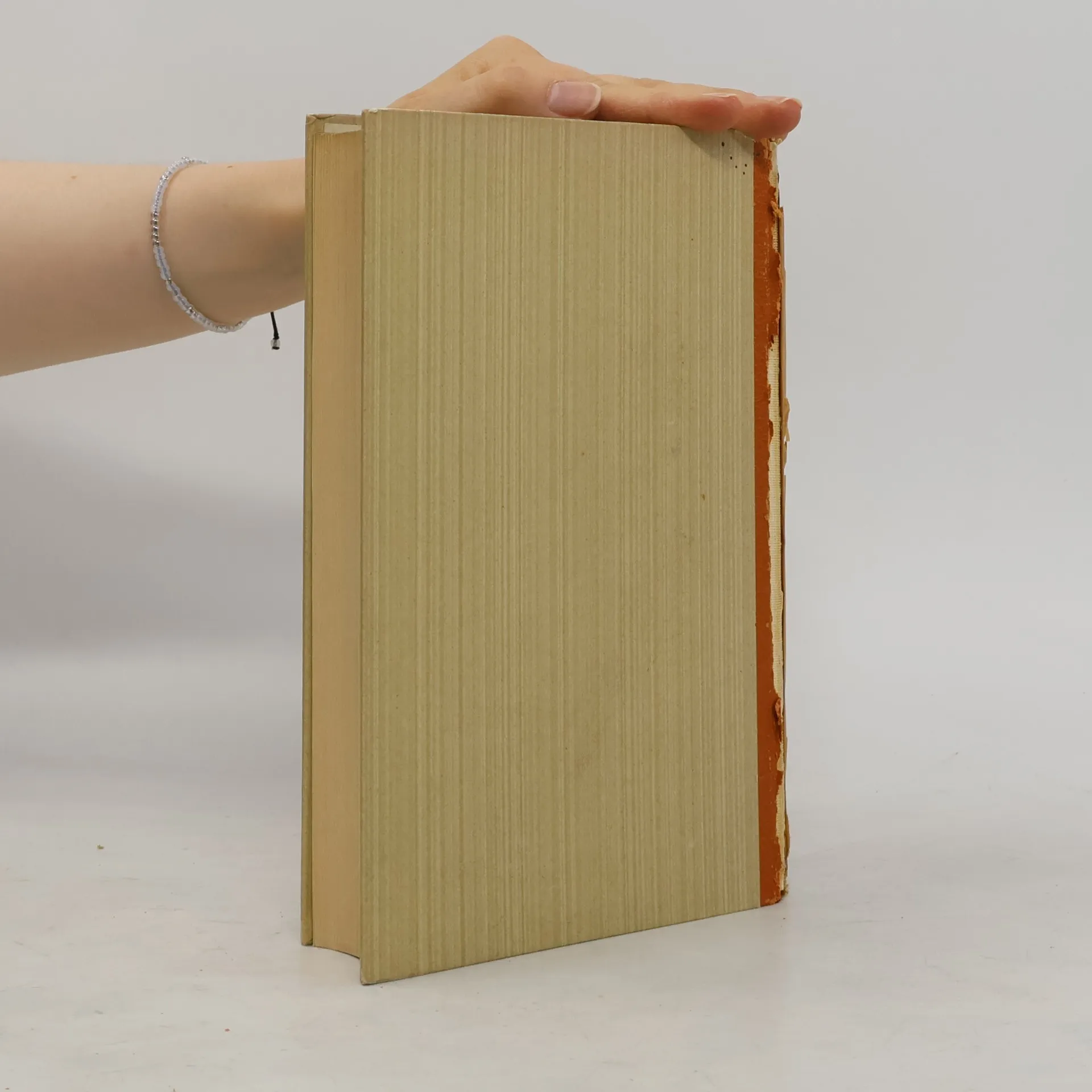
- Uszkodzony
- Cena
- 6,95 zł
Metody płatności
Brakuje nam tutaj Twojej recenzji.
- Tytuł
- Stiller
- Język
- angielski
- Autorzy
- Max Frisch
- Wydawca
- Europäischer Buchklub
- Oprawa
- twarda
- Seria
- Tagi
- Tematy historyczne, Tematyka psychologiczna, Tematyka filozoficzna, Miłość, Literatura niemiecka, XX wiek, Małżeństwo, Szwajcaria, Tożsamość, Artyści, Lektury obowiązkowe, Więzienie, Rzeźbiarze, Zamiana
- Oryginalna nazwa
- Stiller
- Ocena
- 3,95 z 5
- Opis
- Upon entering Switzerland, Mr. White is arrested on suspicion of being the missing sculptor Anatol Ludwig Stiller. Friends, his brother, his wife Julika, and the prosecutor support this suspicion in their statements. However, Mr. White's writings during his detention contradict this assertion, emphasizing, "I am not Stiller!" Through various narratives, he attempts to escape this identity assignment, which he finds questionable, yearning for the freedom to be someone else. The story explores how the self becomes a claim to the world, opposing it with a counterclaim, a non-self. Instead of the self, a fabricated identity emerges, becoming an object. The narrative transforms the self into a criminal case. Frisch, through this form, becomes a narrator who tells not first about Stiller but about himself, about White. Stiller becomes the other whose identity he investigates, as it is constantly asserted that he is identical to him. This narrative form allows for a self-presentation that engages the reader and encourages participation. Without this involvement, Stiller remains neither readable nor comprehensible.