

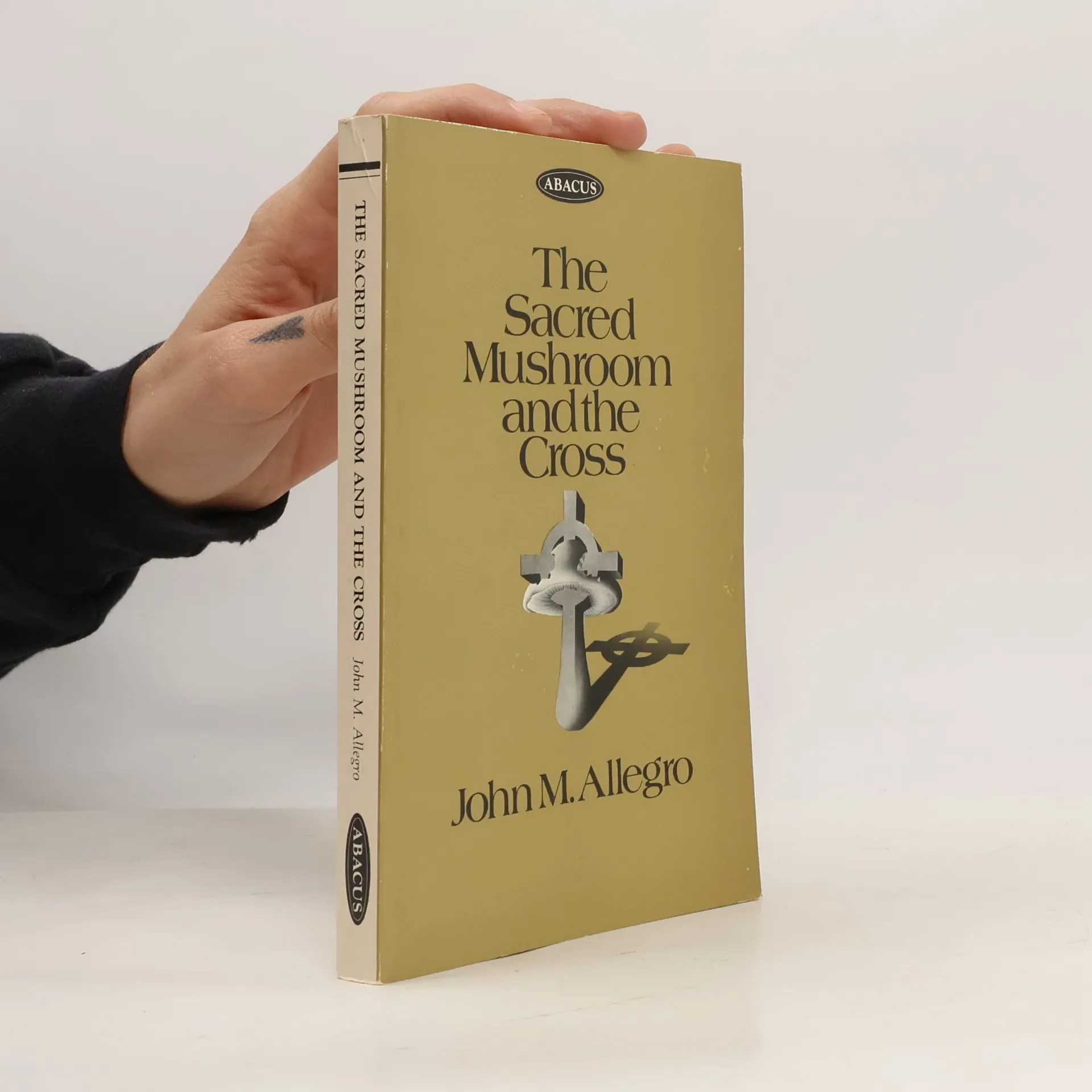


The Sacred Mushroom and the Cross
a study of the nature and origins of Christianity within the fertility cults of the ancient Near East
Autorzy
Ocena książki
Więcej o książce
The Sacred Mushroom & the Cross explores a philosophy rooted in ancient sacred texts, suggesting a common linguistic thread among Sumerian, Indo-European, and Semitic cultures. Allegro deciphers names in hymns and epics, proposing that a fertility cult using amanita muscaria as a means to divine understanding underpins many religions, including Christianity. The mushroom symbolizes the divine on earth, and its secretive lore is believed to be encoded in folktales, forming the basis of New Testament narratives as a means to propagate mushroom worship. Allegro's examination of Sumerian cuneiform texts attempts to trace biblical terms back to their original meanings, though his claims faced criticism for lacking substantiation. Despite this, the controversy sparked interest in understanding the fertility concept's role in religion and the intertwined evolution of language and belief systems. In 2006, Jan Irvin and Andrew Rutajit published a work dedicated to Allegro, which substantiates many of his ideas through iconographic and symbolic analysis, demonstrating a resurgence of interest in his Grand Unifying Theory of Religion. Allegro's theories, initially dismissed, are now being revisited, highlighting the significance of ancient fertility worship in shaping religious narratives.


Zakup książki
The Sacred Mushroom and the Cross, John Marco Allegro
- Język

- Rok wydania
- 1973
- Oprawa
- (miękka),
- Stan książki
- Dobry
- Cena
- 161,99 zł
Metody płatności
Brakuje nam tutaj Twojej recenzji.
- Tytuł
- The Sacred Mushroom and the Cross
- Podtytuł
- a study of the nature and origins of Christianity within the fertility cults of the ancient Near East
- Język
- angielski
- Autorzy
- John Marco Allegro
- Wydawca
- ABACUS BOOKS (SPHERE)
- Rok wydania
- 1973
- Oprawa
- miękka
- Liczba stron
- 253
- ISBN10
- 0349100659
- ISBN13
- 9780349100654
- Seria
- Kategorie
- Tagi
- Tematy historyczne, Tematy religijne, Tematyka filozoficzna, Duchowość, Tematy chrześcijańskie, Nauka
- Ocena
- 3 z 5
- Opis
- The Sacred Mushroom & the Cross explores a philosophy rooted in ancient sacred texts, suggesting a common linguistic thread among Sumerian, Indo-European, and Semitic cultures. Allegro deciphers names in hymns and epics, proposing that a fertility cult using amanita muscaria as a means to divine understanding underpins many religions, including Christianity. The mushroom symbolizes the divine on earth, and its secretive lore is believed to be encoded in folktales, forming the basis of New Testament narratives as a means to propagate mushroom worship. Allegro's examination of Sumerian cuneiform texts attempts to trace biblical terms back to their original meanings, though his claims faced criticism for lacking substantiation. Despite this, the controversy sparked interest in understanding the fertility concept's role in religion and the intertwined evolution of language and belief systems. In 2006, Jan Irvin and Andrew Rutajit published a work dedicated to Allegro, which substantiates many of his ideas through iconographic and symbolic analysis, demonstrating a resurgence of interest in his Grand Unifying Theory of Religion. Allegro's theories, initially dismissed, are now being revisited, highlighting the significance of ancient fertility worship in shaping religious narratives.