

Więcej o książce
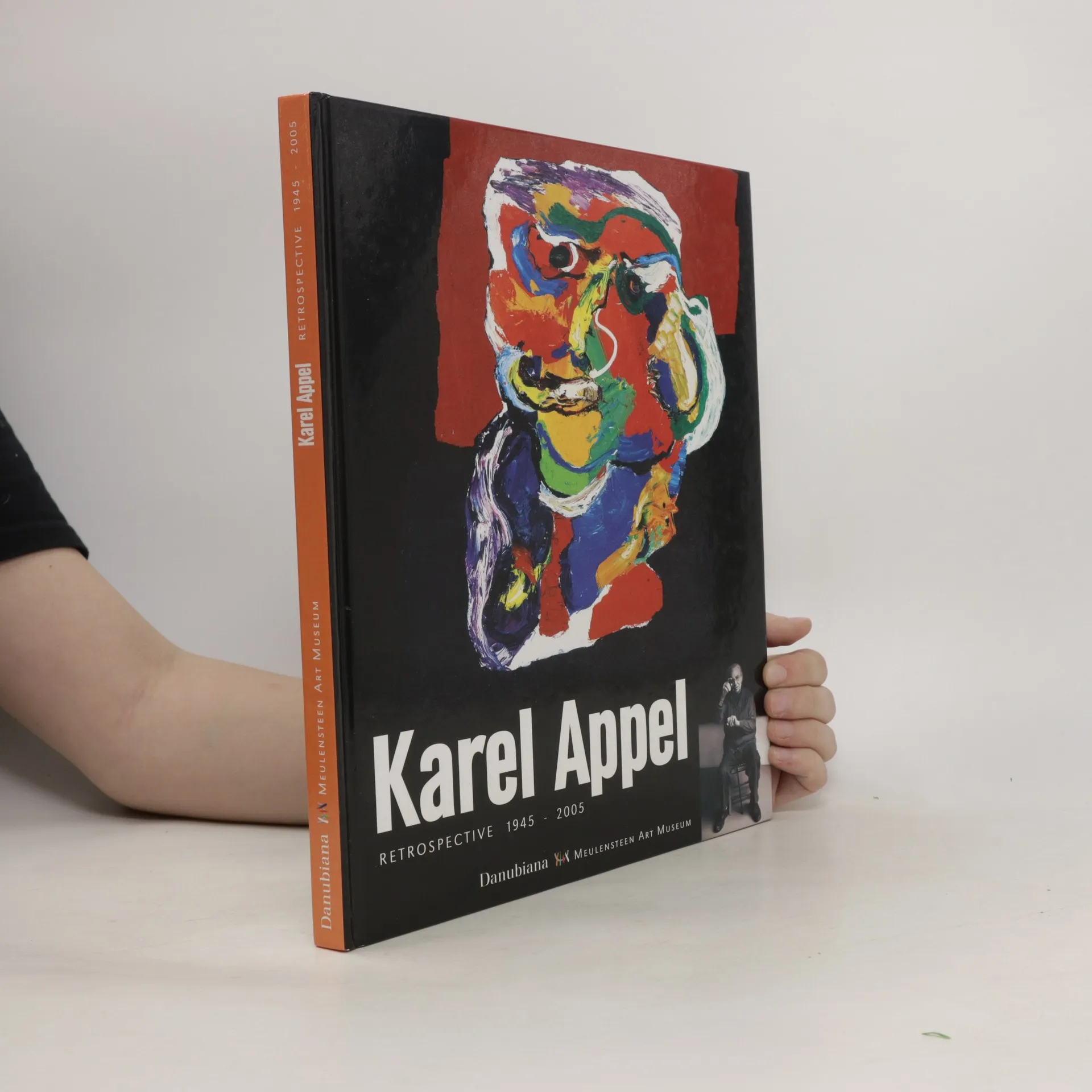
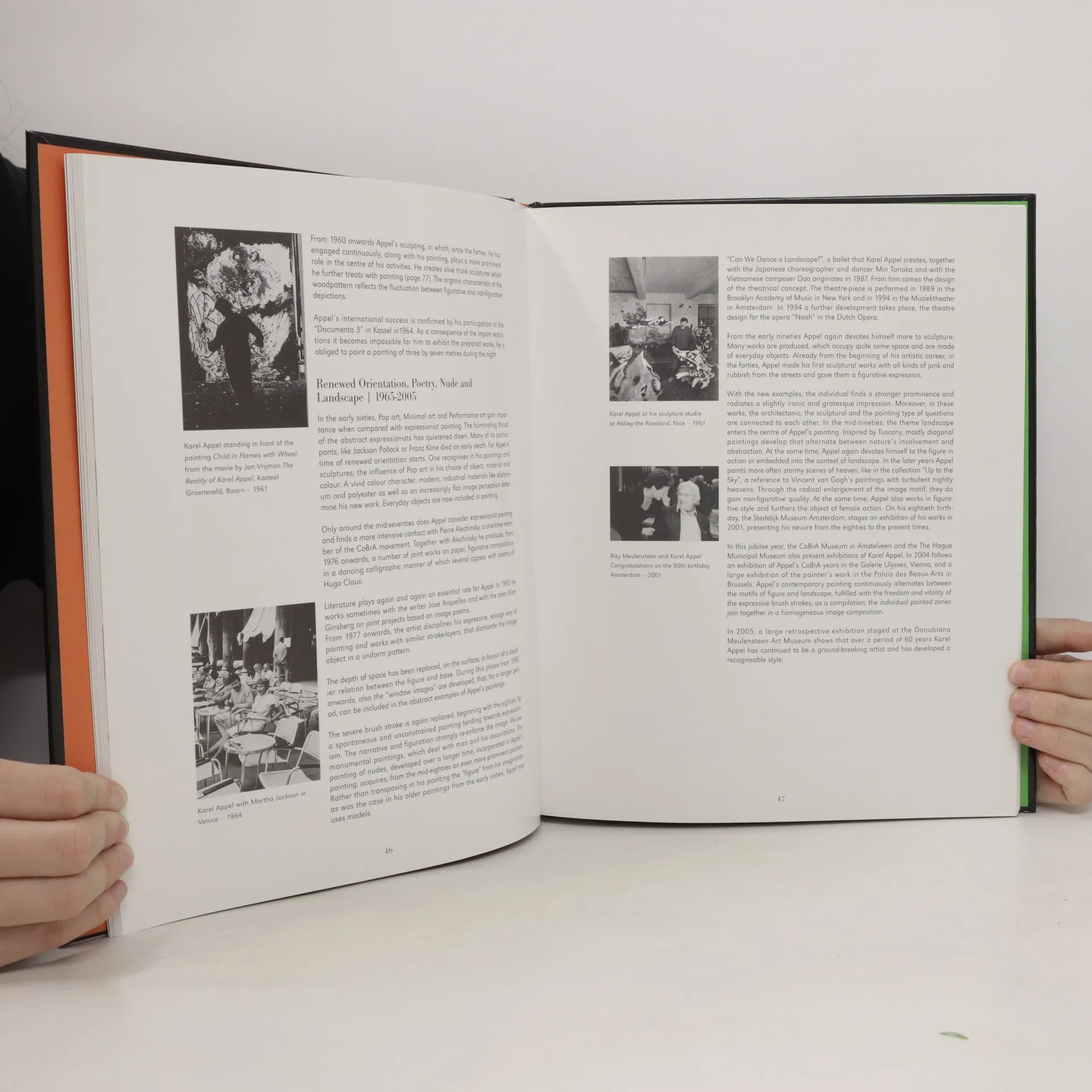
No discussion of postwar Dutch art--or postwar European art--is complete without mentioning Karel Appel, whom many consider Holland's most important painter. Appel attended the Academy of Arts in Amsterdam from 1940 to 1943, and then bided his time painting landscapes and portraits in an era when artists were forbidden to buy materials or exhibit unless they joined the German "Chamber of Culture." After the liberation, as reproductions of works by Picasso and others began to find their way to Holland, Appel rebelled against his studio training, founded several avant garde groups (including Cobra), and then moved to Paris. Years of travel and experimentation with subjects, colors and materials, left him with a close relationship to the American art community and studios all over the world. Appel is a sculptor and a ceramist, too, but he is above all an expressionist, a man of passion led by spontaneity, who has conversely made a lasting mark.


Zakup książki
Karel Appel, Rudi Fuchs, Karel Appel, Danubiana, Meulensteen Art Museum
- Język

- Rok wydania
- 2005
- Oprawa
- (twarda)
Metody płatności
Brakuje nam tutaj Twojej recenzji.
- Tytuł
- Karel Appel
- Język
- angielski
- Wydawca
- Artimo
- Rok wydania
- 2005
- Oprawa
- twarda
- Liczba stron
- 144
- ISBN10
- 808902517X
- ISBN13
- 9788089025176
- Seria
- Tagi
- Sztuki piękne
- Ocena
- 3,6 z 5
- Opis
- No discussion of postwar Dutch art--or postwar European art--is complete without mentioning Karel Appel, whom many consider Holland's most important painter. Appel attended the Academy of Arts in Amsterdam from 1940 to 1943, and then bided his time painting landscapes and portraits in an era when artists were forbidden to buy materials or exhibit unless they joined the German "Chamber of Culture." After the liberation, as reproductions of works by Picasso and others began to find their way to Holland, Appel rebelled against his studio training, founded several avant garde groups (including Cobra), and then moved to Paris. Years of travel and experimentation with subjects, colors and materials, left him with a close relationship to the American art community and studios all over the world. Appel is a sculptor and a ceramist, too, but he is above all an expressionist, a man of passion led by spontaneity, who has conversely made a lasting mark.