

Więcej o książce
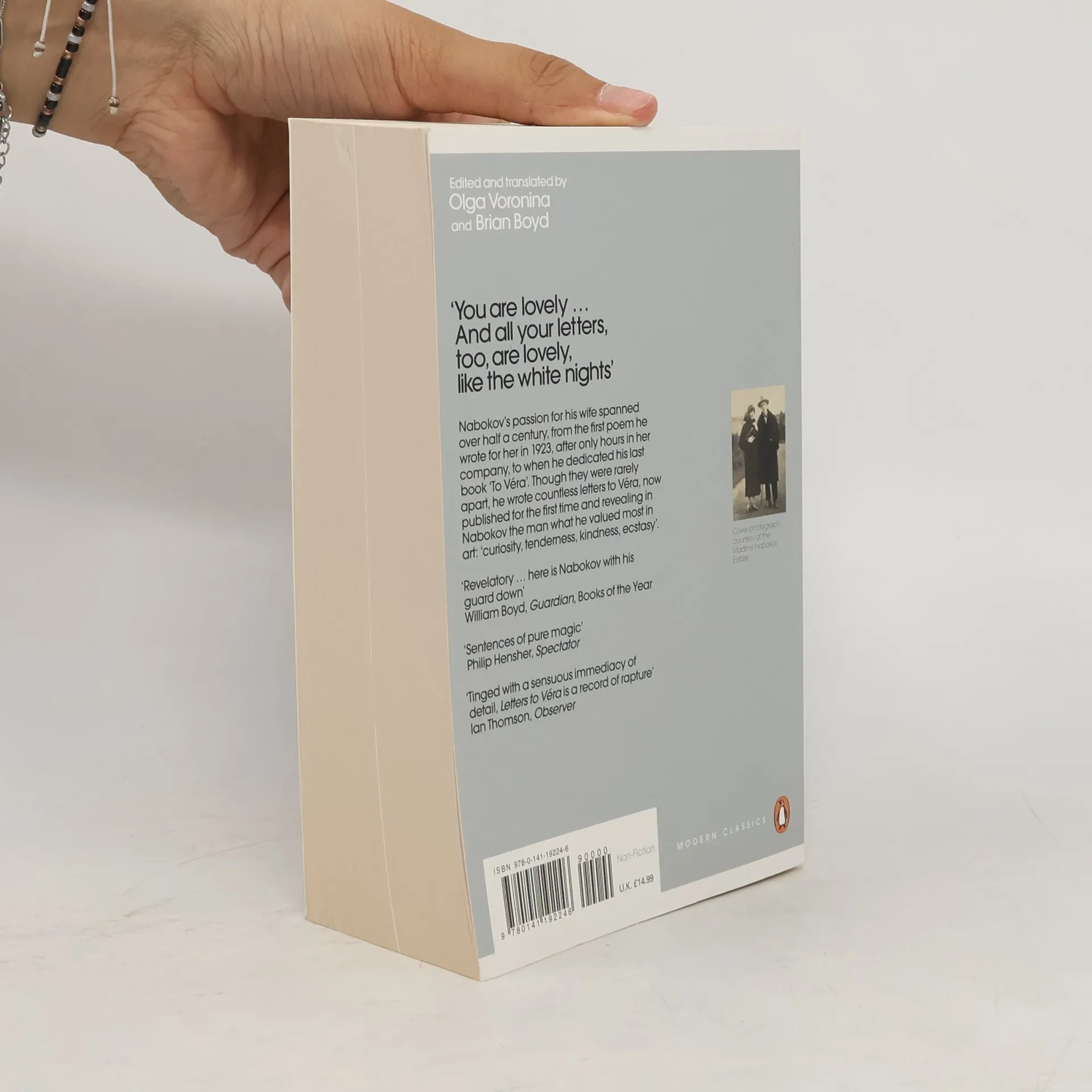
'You are lovely . . . And all your letters, too, are lovely, like the white nights' Nabokov's passion for his wife spanned over half a century, from the first poem he wrote for her in 1923, after only hours in her company, to when he dedicated his last book 'To Véra'. Though they were rarely apart, he wrote countless letters to Véra, now published for the first time and revealing in Nabokov the man what he valued most in art: 'curiosity, tenderness, kindness, ecstasy'. Edited and translated by Olga Voronina and Brian Boyd 'Revelatory . . . here is Nabokov with his guard down.' William Boyd, Guardian, Books of the Year 'Sentences of pure magic.' Philip Hensher, Spectator 'Tinged with a sensuous immediacy of detail, Letters to Vérais a record of rapture.' Ian Thomson, Observer



Zakup książki
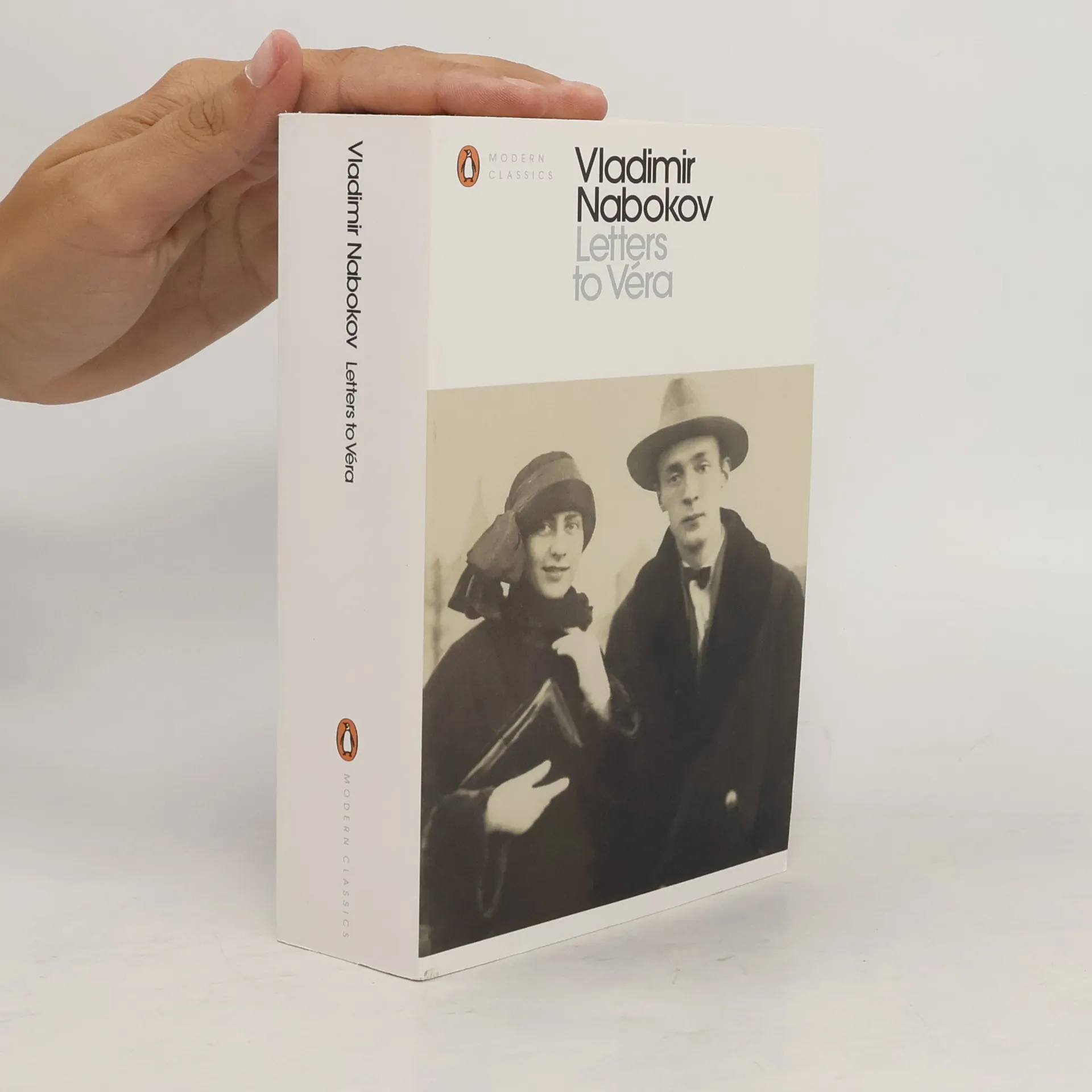
Letters to Véra, Vladimir Vladimirovič Nabokov
- Język

- Rok wydania
- 2014
- Oprawa
- (miękka)
Metody płatności
Brakuje nam tutaj Twojej recenzji.
- Tytuł
- Letters to Véra
- Język
- angielski
- Wydawca
- Penguin Classics
- Rok wydania
- 2014
- Oprawa
- miękka
- Liczba stron
- 864
- ISBN10
- 0141192240
- ISBN13
- 9780141192246
- Seria
- Tagi
- Rosja
- Ocena
- 4,2 z 5
- Opis
- 'You are lovely . . . And all your letters, too, are lovely, like the white nights' Nabokov's passion for his wife spanned over half a century, from the first poem he wrote for her in 1923, after only hours in her company, to when he dedicated his last book 'To Véra'. Though they were rarely apart, he wrote countless letters to Véra, now published for the first time and revealing in Nabokov the man what he valued most in art: 'curiosity, tenderness, kindness, ecstasy'. Edited and translated by Olga Voronina and Brian Boyd 'Revelatory . . . here is Nabokov with his guard down.' William Boyd, Guardian, Books of the Year 'Sentences of pure magic.' Philip Hensher, Spectator 'Tinged with a sensuous immediacy of detail, Letters to Vérais a record of rapture.' Ian Thomson, Observer