

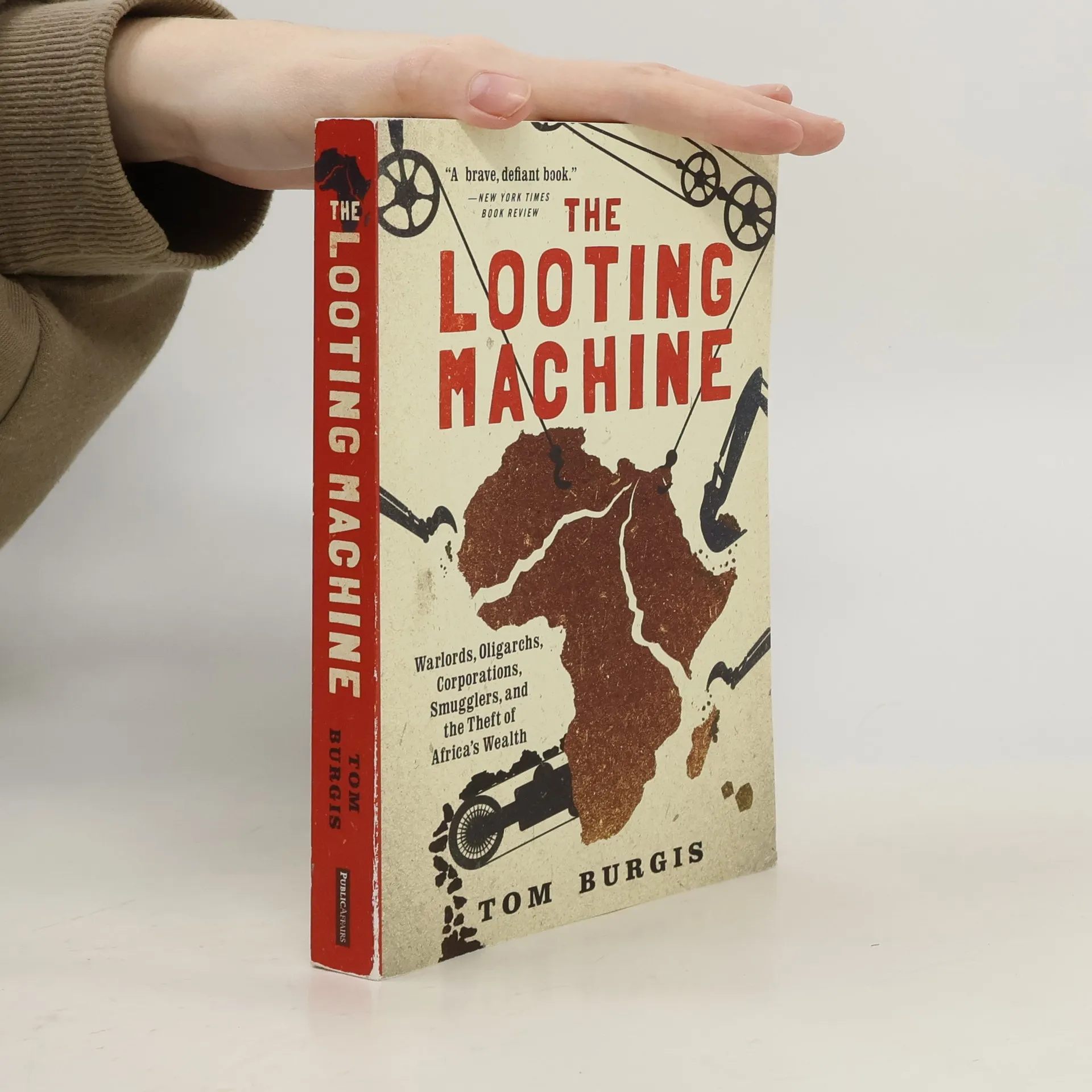

The Looting Machine
Warlords, Oligarchs, Corporations, Smugglers, and the Theft of Africa's Wealth
Autorzy
Ocena książki
Parametry
- 368 stron
- 13 godzin czytania
Więcej o książce
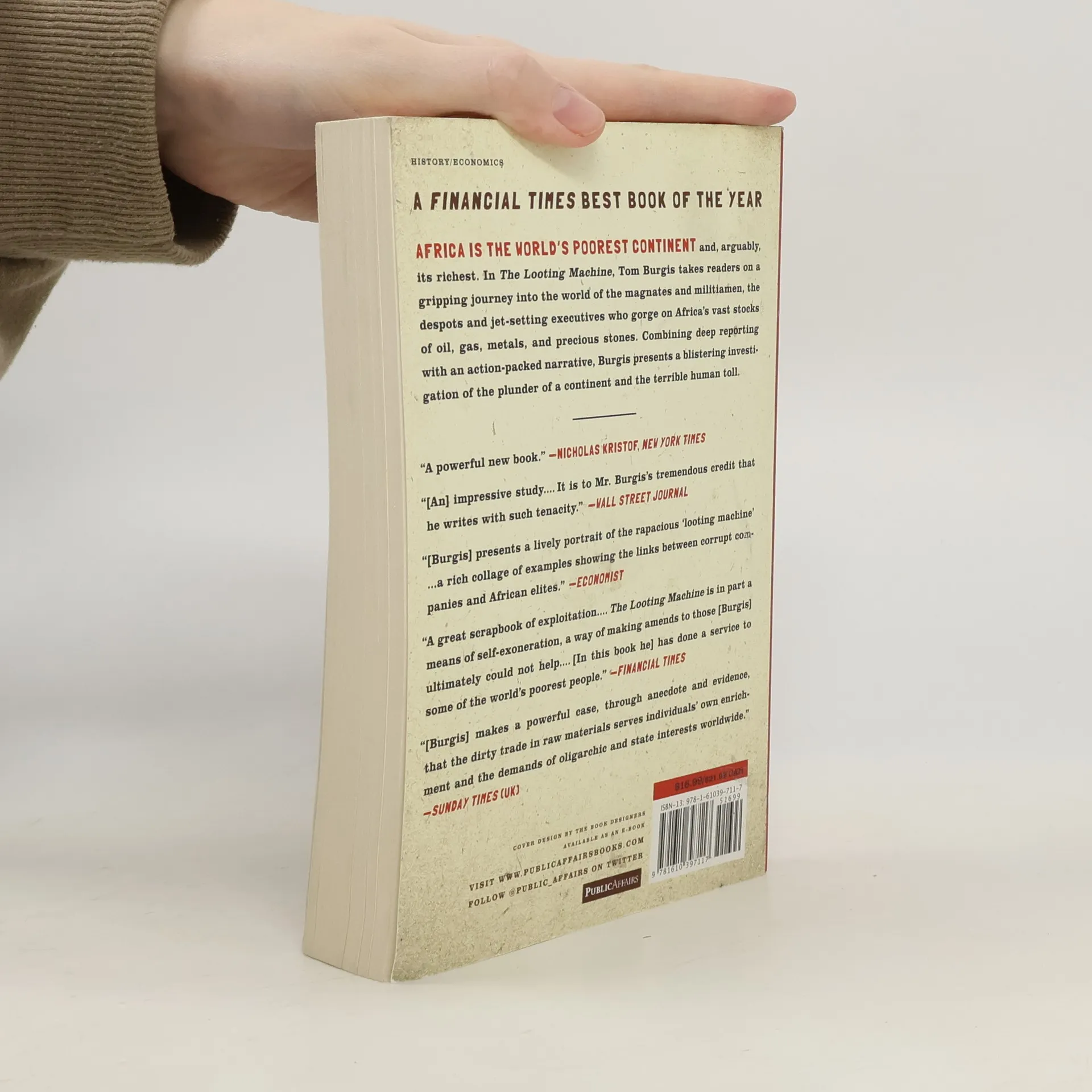
One of Financial Times' Books of the Year, 2015, this work reveals the destructive impact of the trade in oil, gas, gems, and minerals in Africa. While emerging markets like Brazil, India, and China have transformed their economies, Africa's resource-rich states remain at the bottom of the industrial supply chain. Despite holding about 30% of the world's hydrocarbon and mineral reserves, Africa's share of global manufacturing stagnated at 1% from 2000 to 2011. The author uncovers the reality behind the so-called African development miracle, showing that for resource-dependent states, it is merely an illusion. The wealth generated from oil, copper, diamonds, and coltan attracts a global network of traders and corrupt political elites who exploit these resources, leaving the majority impoverished. This precarious situation threatens to reverse any gains made by Africa's emerging middle class. The narrative challenges the notion that Africa is solely a recipient of aid; in fact, in 2010, fuel and mineral exports from Africa were valued at $333 billion, far exceeding incoming aid. Yet, the wealth largely benefits a select few, while many remain in dire conditions. The resource curse is not just an economic issue; it is a systematic looting with identifiable beneficiaries.




Zakup książki
The Looting Machine, Tom Burgis
- Język

- Rok wydania
- 2016
- Oprawa
- (miękka)
Metody płatności
Brakuje nam tutaj Twojej recenzji.
- Tytuł
- The Looting Machine
- Podtytuł
- Warlords, Oligarchs, Corporations, Smugglers, and the Theft of Africa's Wealth
- Język
- angielski
- Autorzy
- Tom Burgis
- Wydawca
- PublicAffairs
- Rok wydania
- 2016
- Oprawa
- miękka
- Liczba stron
- 368
- ISBN10
- 1610397118
- ISBN13
- 9781610397117
- Seria
- Kategorie
- Tagi
- Tematy historyczne, Biznes, Polityka, Prezenty dla dziadka, Afryka, Dziennikarstwo & Publicystyka
- Ocena
- 3,95 z 5
- Opis
- One of Financial Times' Books of the Year, 2015, this work reveals the destructive impact of the trade in oil, gas, gems, and minerals in Africa. While emerging markets like Brazil, India, and China have transformed their economies, Africa's resource-rich states remain at the bottom of the industrial supply chain. Despite holding about 30% of the world's hydrocarbon and mineral reserves, Africa's share of global manufacturing stagnated at 1% from 2000 to 2011. The author uncovers the reality behind the so-called African development miracle, showing that for resource-dependent states, it is merely an illusion. The wealth generated from oil, copper, diamonds, and coltan attracts a global network of traders and corrupt political elites who exploit these resources, leaving the majority impoverished. This precarious situation threatens to reverse any gains made by Africa's emerging middle class. The narrative challenges the notion that Africa is solely a recipient of aid; in fact, in 2010, fuel and mineral exports from Africa were valued at $333 billion, far exceeding incoming aid. Yet, the wealth largely benefits a select few, while many remain in dire conditions. The resource curse is not just an economic issue; it is a systematic looting with identifiable beneficiaries.