

Parametry
- 400 stron
- 14 godzin czytania
Więcej o książce
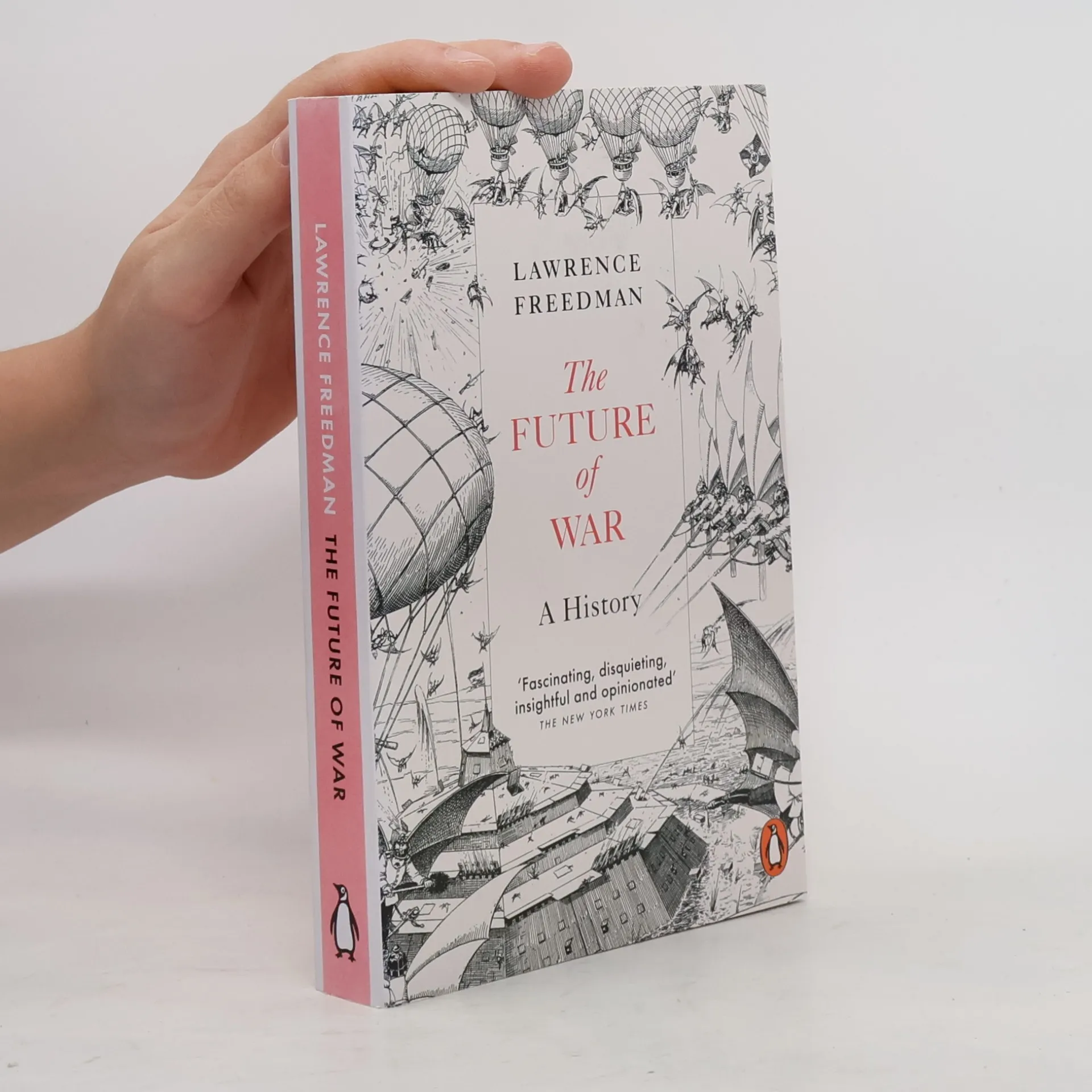
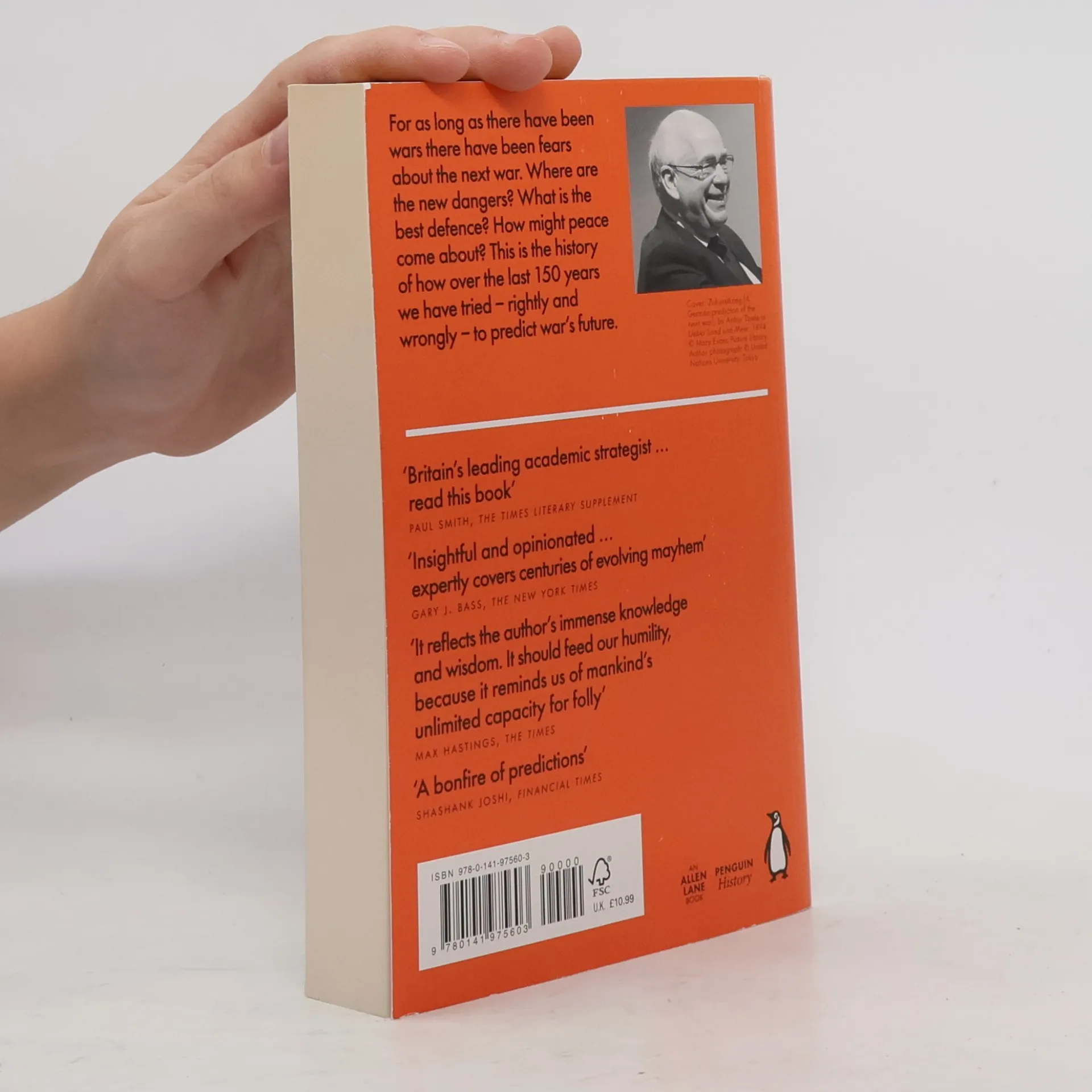
Where should we look for new dangers? What cunning plans might an aggressor have in mind? What are the best forms of defence? How might peace be preserved or conflict resolved? From the French rout at Sedan in 1870 to the relentless contemporary insurgencies in Iraq and Afghanistan, Lawrence Freedman, one of the UK's foremost military thinkers, reveals how those who have imagined future war have often had an idealised notion of it as confined, brief and decisive - hence the stubborn persistence of the idea of a knockout blow, whether through a dashing land offensive or nuclear first strike or cyberattacks. He also notes the lack of attention paid to civil wars until the West began to intervene in them during the 1990s and how the boundaries between peace and war, between the military, the civilian, and the criminal are becoming increasingly blurred. Freedman's account of a century and a half of warfare and the (often misconceived) thinking that precedes war is a challenge to hawks and doves alike, and puts current strategic thinking into a bracing historical perspective

Zakup książki
The Future of War, Lawrence Freedman
- Język

- Rok wydania
- 2018
- Oprawa
- (miękka),
- Stan książki
- Dobry
- Cena
- 37,24 zł
Metody płatności
Brakuje nam tutaj Twojej recenzji.
- Tytuł
- The Future of War
- Język
- angielski
- Autorzy
- Lawrence Freedman
- Wydawca
- Penguin Classics
- Rok wydania
- 2018
- Oprawa
- miękka
- Liczba stron
- 400
- ISBN10
- 0141975601
- ISBN13
- 9780141975603
- Seria
- Kategorie
- Tagi
- Tematy historyczne, Polityka, Fikcja wojenna, Wojny, Prezenty dla dziadka, Stosunki międzynarodowe
- Ocena
- 3,75 z 5
- Opis
- Where should we look for new dangers? What cunning plans might an aggressor have in mind? What are the best forms of defence? How might peace be preserved or conflict resolved? From the French rout at Sedan in 1870 to the relentless contemporary insurgencies in Iraq and Afghanistan, Lawrence Freedman, one of the UK's foremost military thinkers, reveals how those who have imagined future war have often had an idealised notion of it as confined, brief and decisive - hence the stubborn persistence of the idea of a knockout blow, whether through a dashing land offensive or nuclear first strike or cyberattacks. He also notes the lack of attention paid to civil wars until the West began to intervene in them during the 1990s and how the boundaries between peace and war, between the military, the civilian, and the criminal are becoming increasingly blurred. Freedman's account of a century and a half of warfare and the (often misconceived) thinking that precedes war is a challenge to hawks and doves alike, and puts current strategic thinking into a bracing historical perspective