

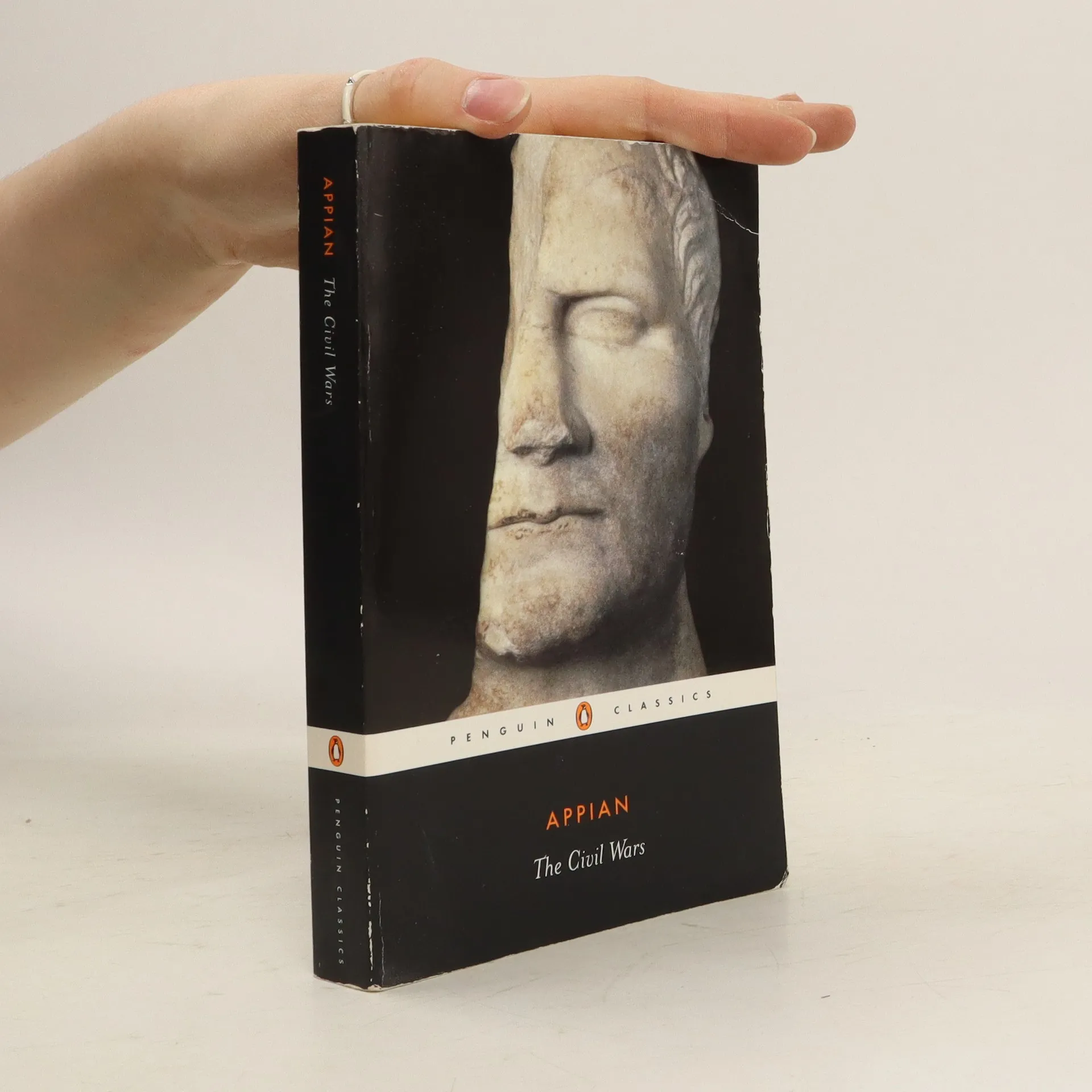


Więcej o książce
Appian's Civil Wars offers a masterly account of the turbulent epoch from the time of Tiberius Gracchus (133 BC) to the tremendous conflicts which followed the murder of Julius Caesar. For the events between 133 and 70 BC he is the only surviving continuous narrative source. The subsequent books vividly describe Catiline's conspiracy, the rise and fall of the First Triumvirate, and Caesar's crossing of the Rubicon, defeat of Pompey and untimely death. The climax comes with the birth of the Second Triumvirate out of anarchy, the terrible purges of Proscriptions which followed, and the titanic struggle for world mastery which was only to end with Augustus's defeat of Antony and Cleopatra. If Appian's Roman History as a whole reveals how an empire was born of the struggle against a series of external enemies, these five books concentrate on an even greater ordeal. Despite the rhetorical flourishes, John Carter suggests in his Introduction, the impressive 'overall conception of the decline of the Roman state into violence, with its sombre highlights and the leitmotif of fate, is neither trivial nor inaccurate'.


Zakup książki
The Civil Wars, Appiános
- Język

- Rok wydania
- 1996
- Oprawa
- (miękka)
Metody płatności
Brakuje nam tutaj Twojej recenzji.
- Tytuł
- The Civil Wars
- Język
- angielski
- Autorzy
- Appiános
- Wydawca
- Penguin Classics
- Rok wydania
- 1996
- Oprawa
- miękka
- Liczba stron
- 480
- ISBN10
- 0140445099
- ISBN13
- 9780140445091
- Seria
- Kategorie
- Tagi
- Wojny, Starożytność
- Ocena
- 4 z 5
- Opis
- Appian's Civil Wars offers a masterly account of the turbulent epoch from the time of Tiberius Gracchus (133 BC) to the tremendous conflicts which followed the murder of Julius Caesar. For the events between 133 and 70 BC he is the only surviving continuous narrative source. The subsequent books vividly describe Catiline's conspiracy, the rise and fall of the First Triumvirate, and Caesar's crossing of the Rubicon, defeat of Pompey and untimely death. The climax comes with the birth of the Second Triumvirate out of anarchy, the terrible purges of Proscriptions which followed, and the titanic struggle for world mastery which was only to end with Augustus's defeat of Antony and Cleopatra. If Appian's Roman History as a whole reveals how an empire was born of the struggle against a series of external enemies, these five books concentrate on an even greater ordeal. Despite the rhetorical flourishes, John Carter suggests in his Introduction, the impressive 'overall conception of the decline of the Roman state into violence, with its sombre highlights and the leitmotif of fate, is neither trivial nor inaccurate'.