



Więcej o książce
Politicians in Europe and the United States have framed government spending as reckless, promoting austerity measures as a solution to the financial crisis. This narrative overlooks the origins of debt, which stemmed from bailing out and recapitalizing the banking system, not from excessive government expenditure. As a result, private debt was transformed into government debt, with taxpayers bearing the burden while those responsible evaded accountability. This shift has led to a global trend toward austerity, characterized by cuts in domestic wages and prices to restore competitiveness and balance budgets. Political economist Mark Blyth argues that austerity is a perilous and ineffective approach. Historical evidence over the past century shows that while individual states may attempt to cut their way to growth, simultaneous austerity across all states leads only to economic contraction. Such policies exacerbated the Great Depression and contributed to the rise of totalitarian regimes during World War II. Blyth highlights that the rationale for austerity is weak and poorly supported by evidence. Instead of fostering growth and opportunity, this recurring economic strategy has resulted in stagnation and increased wealth and income inequality. Blyth's work challenges conventional wisdom, presenting a compelling case against austerity and its significant costs to society.



Zakup książki
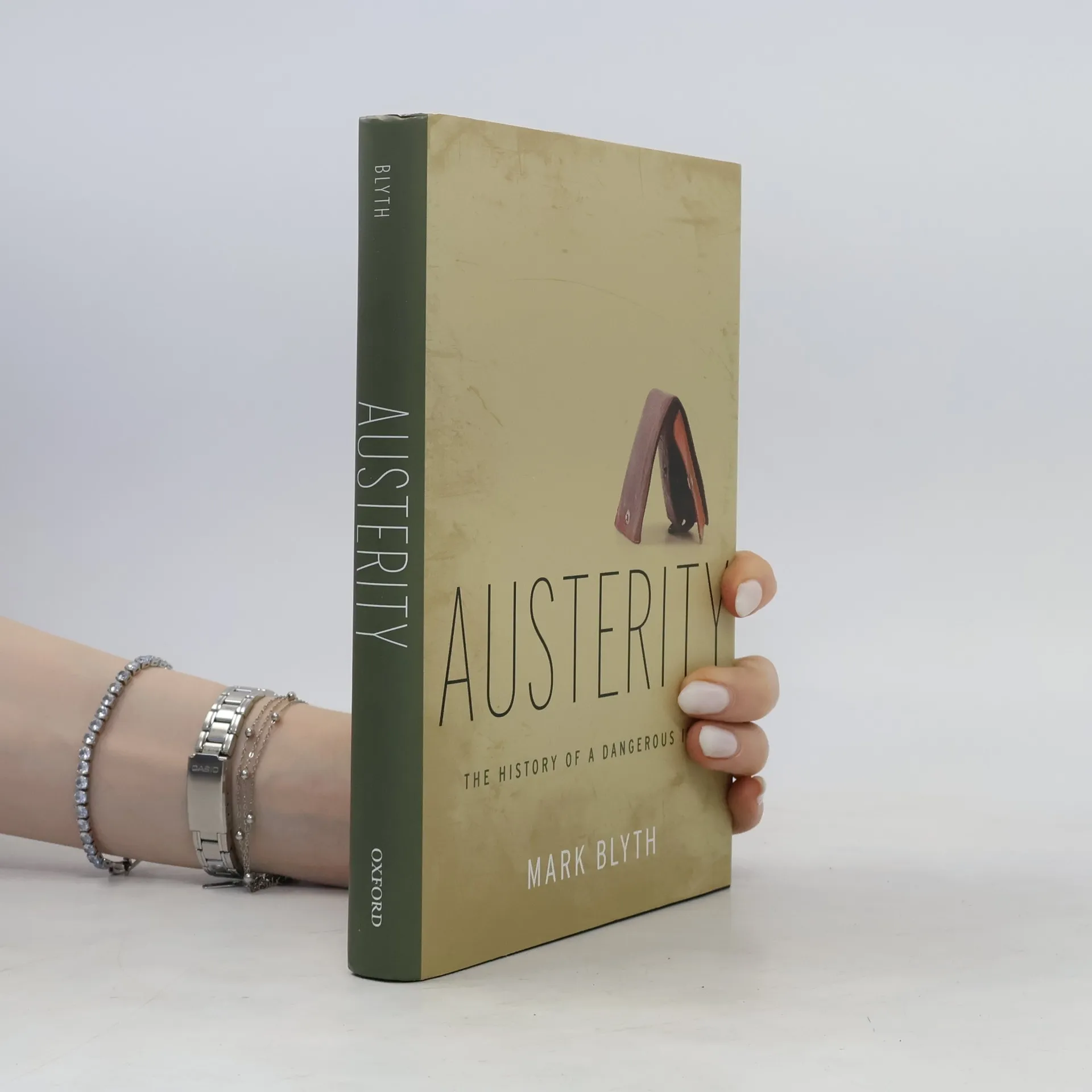
Austerity, Mark Blyth
- Język

- Rok wydania
- 2013
- Oprawa
- (twarda)
Metody płatności
Brakuje nam tutaj Twojej recenzji.
- Tytuł
- Austerity
- Podtytuł
- The History of a Dangerous Idea
- Język
- angielski
- Autorzy
- Mark Blyth
- Wydawca
- Oxford University Press
- Rok wydania
- 2013
- Oprawa
- twarda
- Liczba stron
- 288
- ISBN10
- 019982830X
- ISBN13
- 9780199828302
- Seria
- Kategorie
- Tagi
- Tematy historyczne, Biznes, Polityka, Finanse
- Ocena
- 4,1 z 5
- Opis
- Politicians in Europe and the United States have framed government spending as reckless, promoting austerity measures as a solution to the financial crisis. This narrative overlooks the origins of debt, which stemmed from bailing out and recapitalizing the banking system, not from excessive government expenditure. As a result, private debt was transformed into government debt, with taxpayers bearing the burden while those responsible evaded accountability. This shift has led to a global trend toward austerity, characterized by cuts in domestic wages and prices to restore competitiveness and balance budgets. Political economist Mark Blyth argues that austerity is a perilous and ineffective approach. Historical evidence over the past century shows that while individual states may attempt to cut their way to growth, simultaneous austerity across all states leads only to economic contraction. Such policies exacerbated the Great Depression and contributed to the rise of totalitarian regimes during World War II. Blyth highlights that the rationale for austerity is weak and poorly supported by evidence. Instead of fostering growth and opportunity, this recurring economic strategy has resulted in stagnation and increased wealth and income inequality. Blyth's work challenges conventional wisdom, presenting a compelling case against austerity and its significant costs to society.