



Ocena książki
Więcej o książce
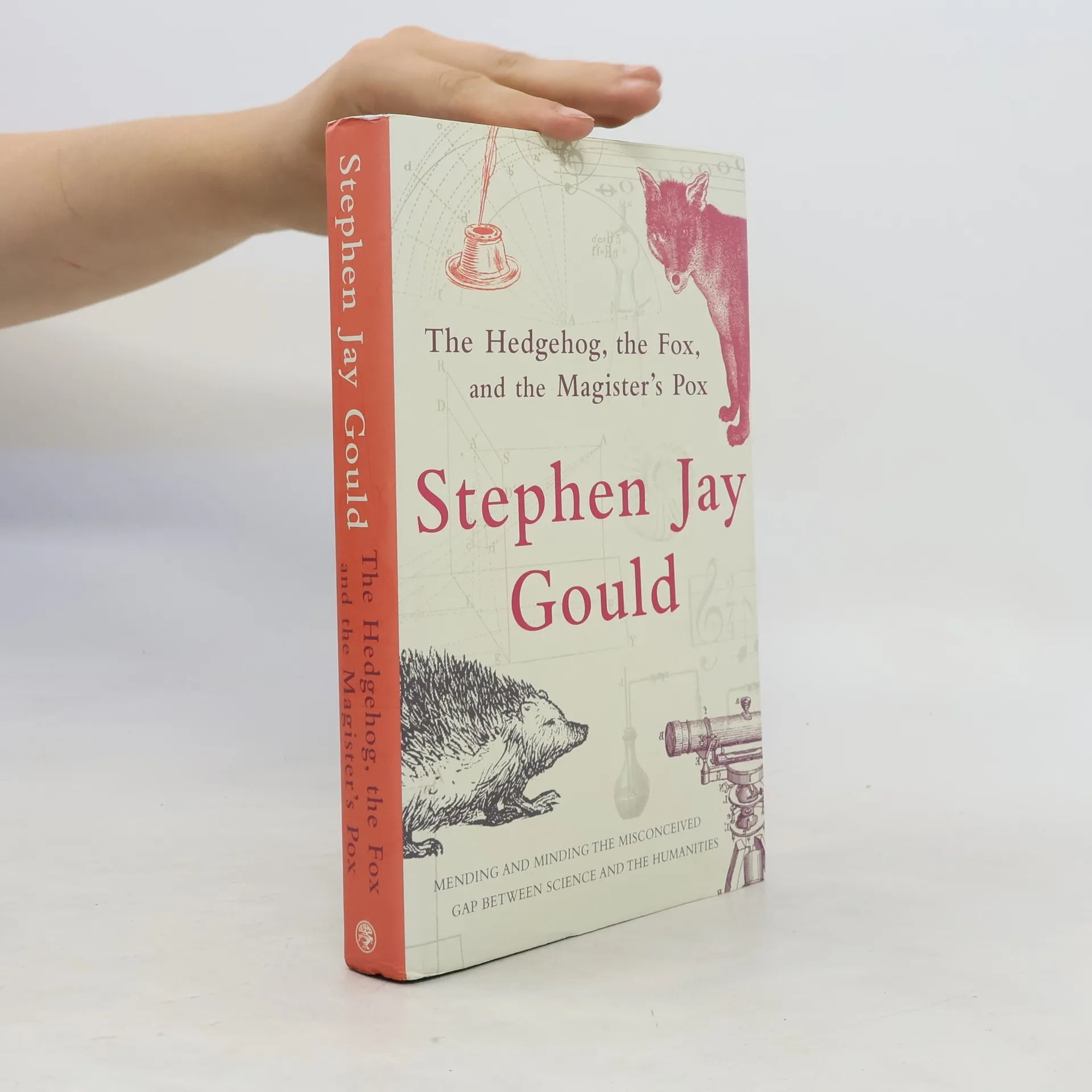
In characteristic form, Gould weaves the ideas of some of Western society's greatest thinkers, from Bacon to Galileo to E.O. Wilson, with the uncelebrated ideas of lesser-known yet pivotal intellectuals. He uses the ideas of these men to undo an assumption born in the 17th century and continuing to this day, that science and the humanities stand in opposition. In the title and throughout the book he uses a metaphor drawn from Erasmus and a more obscure 16th century scholar named Konrad Gesner (an illustrator of the animal kingdom) of the hedgehog - who goes after one thing at a measured pace, systematically investigating all; the Fox - skilled at many things, intuitive and fast; and the magister's pox - a censure from the Catholic Church involved in Galileo's downfall: a metaphor which illustrates the different ways of responding to knowledge - from a scientific, humanistic and fearful way. He argues that in fact each of them should borrow from each other and thereby improve their own given disciplines. Gould then delves into a fiery discussion of the notion of consilience first put forward by E.O. Wilson, which argues that scientific method (specifically reductionism) is supreme,
Zakup książki
The Hedgehog, The Fox & The Magister's Pox, Gould Stephen Jay
- Język

- Rok wydania
- 2003
- Oprawa
- (twarda)
Metody płatności
Brakuje nam tutaj Twojej recenzji.
- Tytuł
- The Hedgehog, The Fox & The Magister's Pox
- Podtytuł
- Mending The Gap Between Science & The Humanities
- Język
- angielski
- Autorzy
- Gould Stephen Jay
- Wydawca
- Harmony Books
- Rok wydania
- 2003
- Oprawa
- twarda
- Liczba stron
- 274
- ISBN10
- 022406309X
- ISBN13
- 9780224063098
- Seria
- Kategorie
- Ocena
- 3,5 z 5
- Opis
- In characteristic form, Gould weaves the ideas of some of Western society's greatest thinkers, from Bacon to Galileo to E.O. Wilson, with the uncelebrated ideas of lesser-known yet pivotal intellectuals. He uses the ideas of these men to undo an assumption born in the 17th century and continuing to this day, that science and the humanities stand in opposition. In the title and throughout the book he uses a metaphor drawn from Erasmus and a more obscure 16th century scholar named Konrad Gesner (an illustrator of the animal kingdom) of the hedgehog - who goes after one thing at a measured pace, systematically investigating all; the Fox - skilled at many things, intuitive and fast; and the magister's pox - a censure from the Catholic Church involved in Galileo's downfall: a metaphor which illustrates the different ways of responding to knowledge - from a scientific, humanistic and fearful way. He argues that in fact each of them should borrow from each other and thereby improve their own given disciplines. Gould then delves into a fiery discussion of the notion of consilience first put forward by E.O. Wilson, which argues that scientific method (specifically reductionism) is supreme,