

Ocena książki
Parametry
- 384 strony
- 14 godzin czytania
Więcej o książce
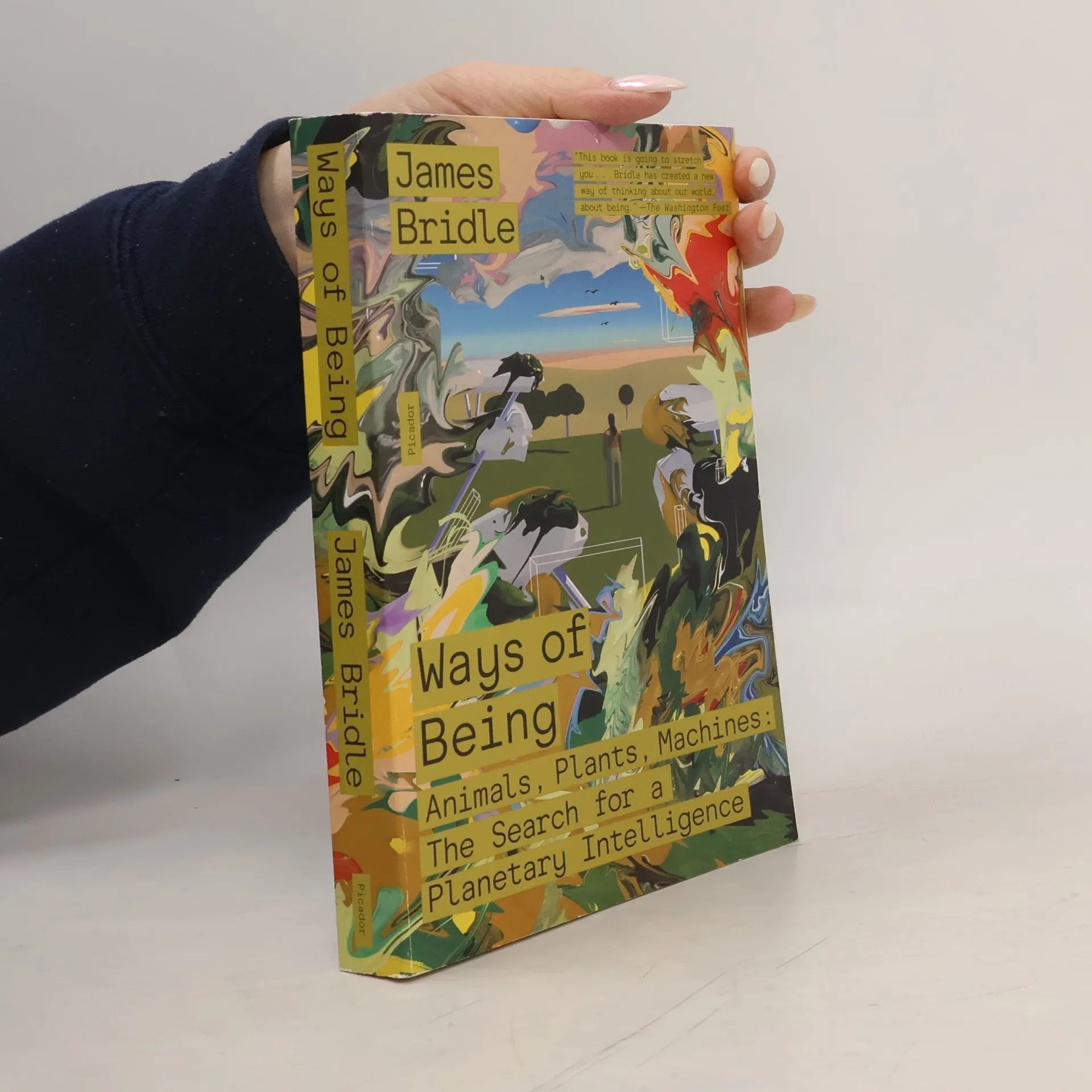
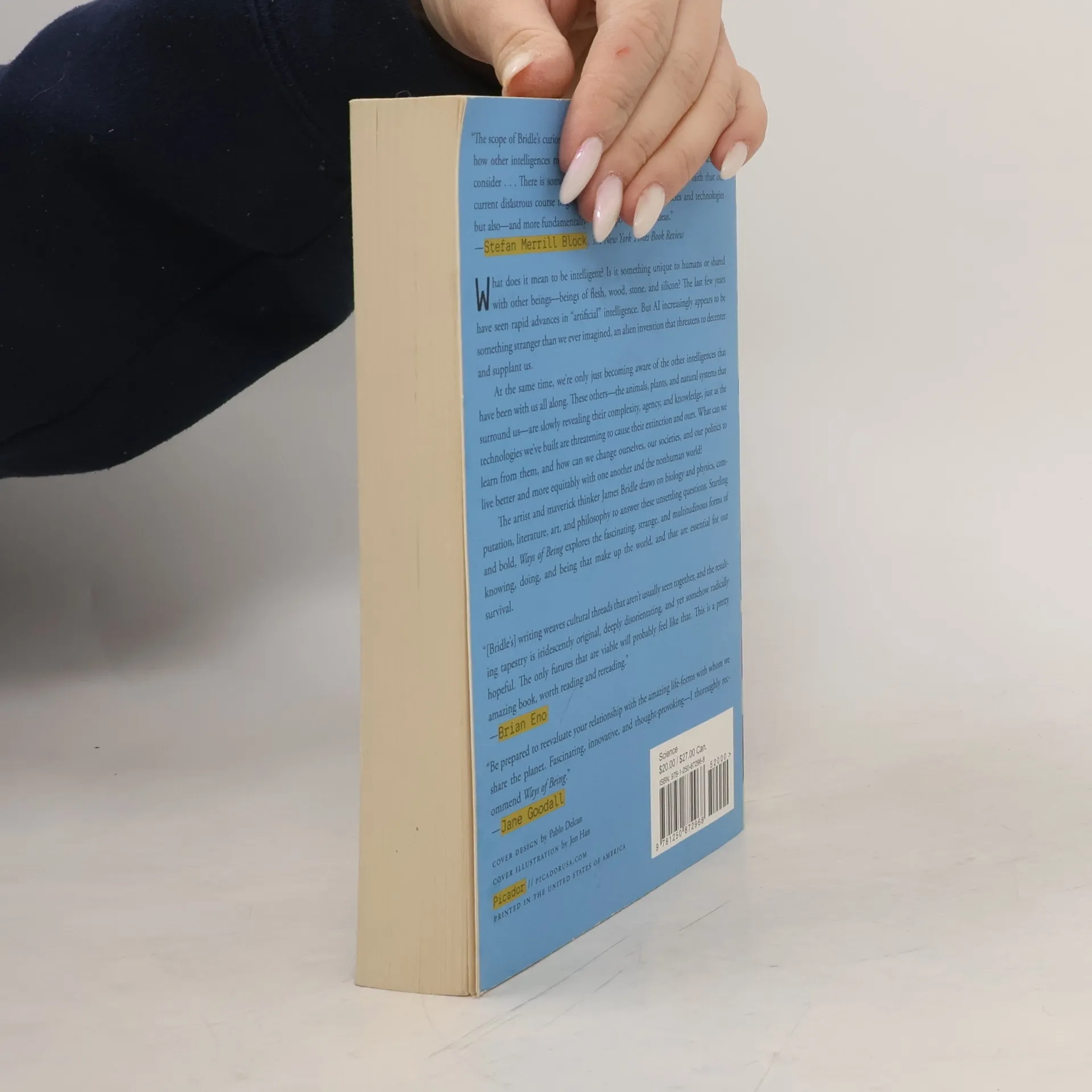
Artist, technologist, and philosopher James Bridle’s exploration delves into various forms of intelligence—plant, animal, human, and artificial—and their implications for our understanding of humanity's place in the cosmos. What defines intelligence? Is it exclusive to humans, or is it shared with other beings made of flesh, wood, stone, and silicon? Recent advancements in artificial intelligence reveal a complex landscape where AI emerges as an alien invention that may threaten to displace us. Concurrently, we are beginning to recognize the diverse intelligences that have always existed around us—animals, plants, and natural systems—each revealing their own complexity, agency, and knowledge. However, the technologies we create to support ourselves often jeopardize their existence and ours. This prompts critical questions about how we can learn from these intelligences and adapt our technologies, societies, and politics for a more equitable coexistence with both human and non-human worlds. Drawing from biology, physics, computation, literature, art, and philosophy, Bridle confronts these unsettling inquiries. His work boldly examines the multifaceted forms of knowing, doing, and being that are becoming increasingly apparent and are vital for our survival. Illustrations are included.


Zakup książki
Ways of Being: Animals, Plants, Machines: The Search for a Planetary Intelligence, James Bridle
- Język

- Rok wydania
- 2023
- Oprawa
- (miękka)
Metody płatności
Brakuje nam tutaj Twojej recenzji.
- Tytuł
- Ways of Being: Animals, Plants, Machines: The Search for a Planetary Intelligence
- Język
- angielski
- Autorzy
- James Bridle
- Wydawca
- Picador
- Rok wydania
- 2023
- Oprawa
- miękka
- Liczba stron
- 384
- ISBN10
- 1250872960
- ISBN13
- 9781250872968
- Seria
- Kategorie
- Ocena
- 4,15 z 5
- Opis
- Artist, technologist, and philosopher James Bridle’s exploration delves into various forms of intelligence—plant, animal, human, and artificial—and their implications for our understanding of humanity's place in the cosmos. What defines intelligence? Is it exclusive to humans, or is it shared with other beings made of flesh, wood, stone, and silicon? Recent advancements in artificial intelligence reveal a complex landscape where AI emerges as an alien invention that may threaten to displace us. Concurrently, we are beginning to recognize the diverse intelligences that have always existed around us—animals, plants, and natural systems—each revealing their own complexity, agency, and knowledge. However, the technologies we create to support ourselves often jeopardize their existence and ours. This prompts critical questions about how we can learn from these intelligences and adapt our technologies, societies, and politics for a more equitable coexistence with both human and non-human worlds. Drawing from biology, physics, computation, literature, art, and philosophy, Bridle confronts these unsettling inquiries. His work boldly examines the multifaceted forms of knowing, doing, and being that are becoming increasingly apparent and are vital for our survival. Illustrations are included.