

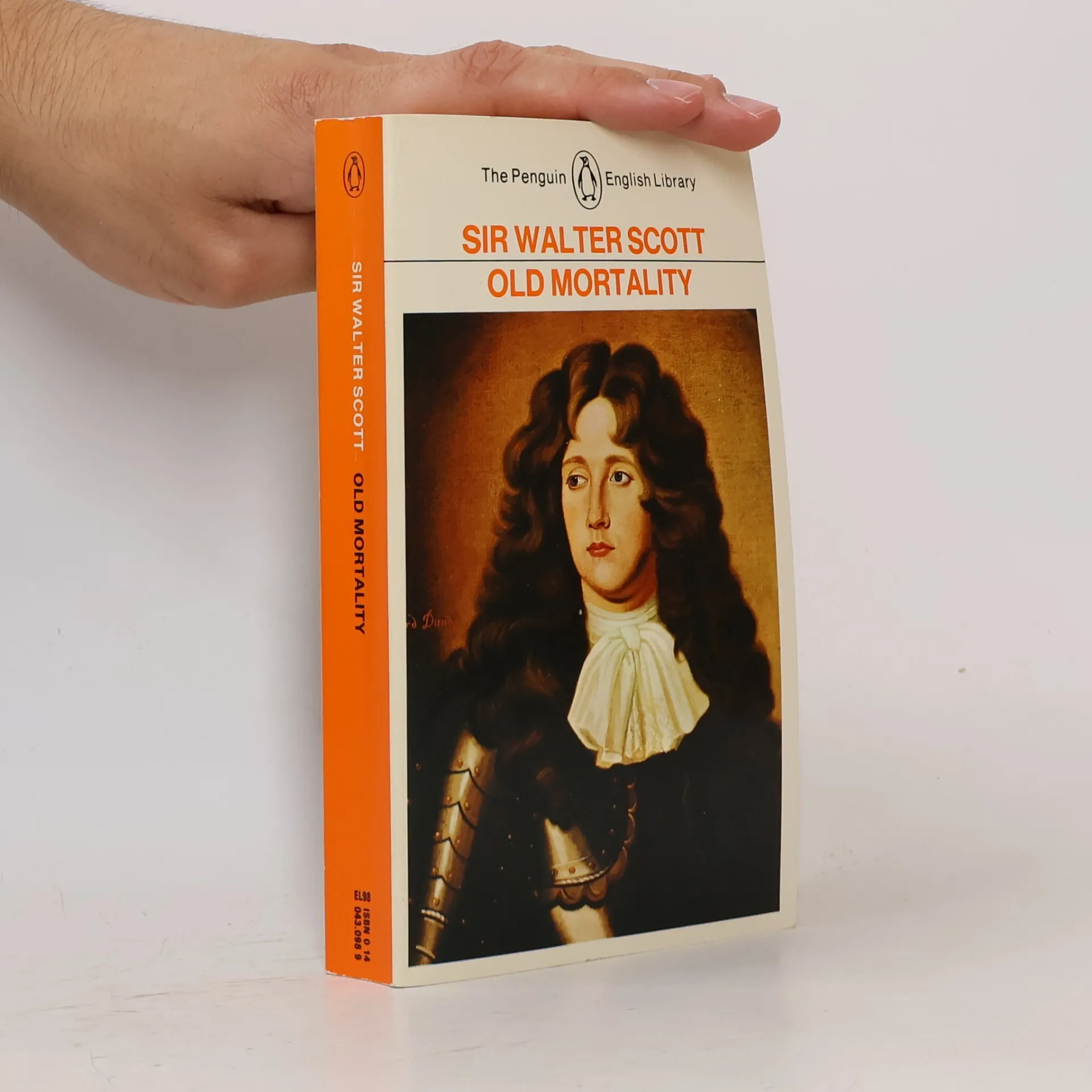
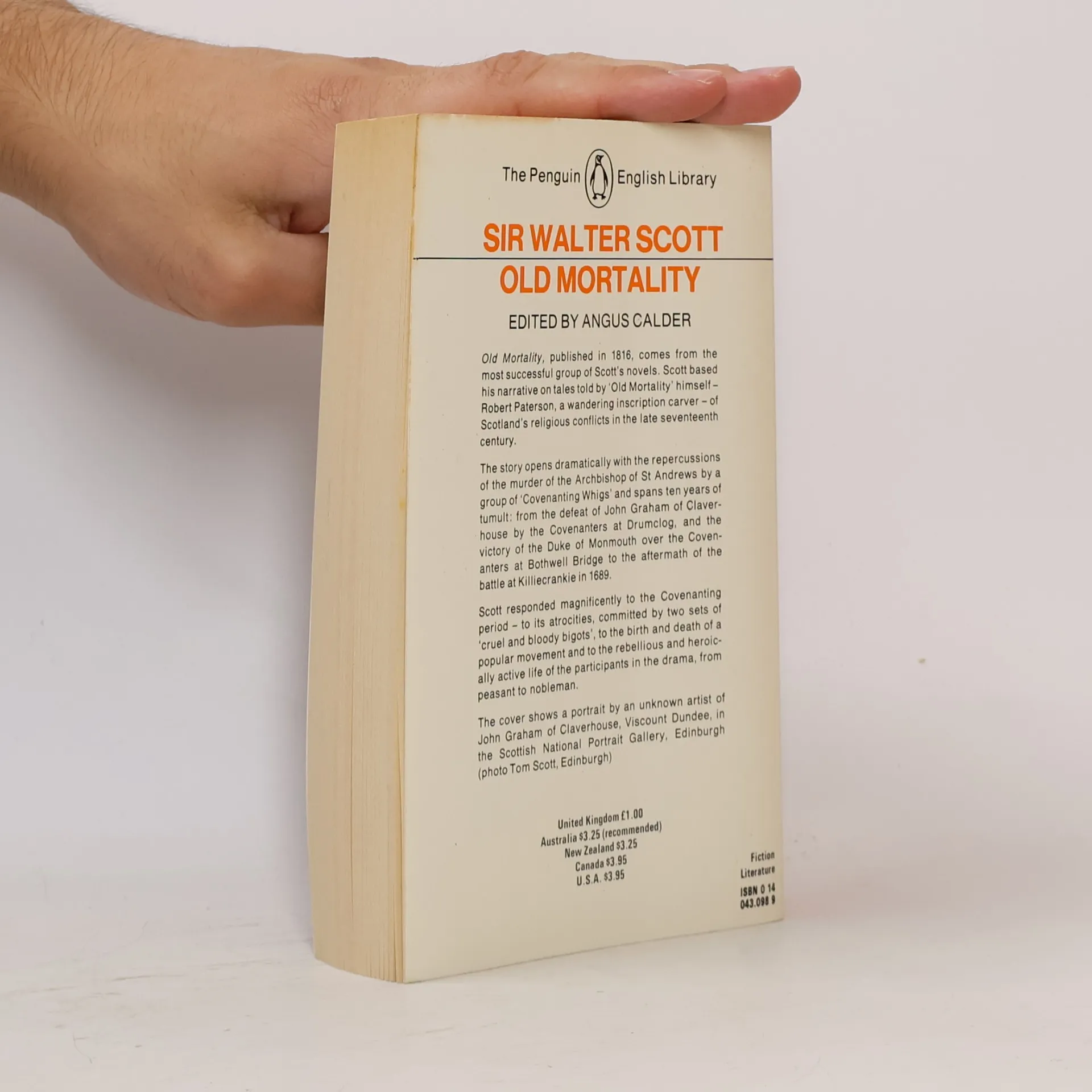
Więcej o książce
Old Mortality (1816), which many consider the finest of Scott's Waverley novels, is a swift-moving historical romance that places an anachronistically liberal hero against the forces of fanaticism in seventeenth-century Scotland, in the period infamous as the 'killing time'. Its central character, Henry Morton, joins the rebels in order to fight Scotland's royalist oppressors, little as he shares the Covenanters' extreme religious beliefs. He is torn between his love for a royalist's granddaughter and his loyalty to his downtrodden countrymen. As well as being a tale of divided loyalties, the novel is a crucial document in the cultural history of modern Scotland. Scott, himself a supporter of the union between Scotland and England, was trying to exorcise the violent past of a country uncomfortably coming to terms with its status as part of a modern United Kingdom. This novel is in itself a significant political document, in which Scott can be seen to be attempting to create a new centralist Scottish historiography, which is not the political consensus of his own time, the seventeenth century, or today.



Zakup książki
Old Mortality, Walter Scott
- Język

- Rok wydania
- Oprawa
- (miękka)
Metody płatności
Brakuje nam tutaj Twojej recenzji.
- Tytuł
- Old Mortality
- Język
- angielski
- Autorzy
- Walter Scott
- Wydawca
- Penguin Books
- Oprawa
- miękka
- ISBN10
- 0140430989
- ISBN13
- 9780140430981
- Seria
- Ocena
- 4,15 z 5
- Opis
- Old Mortality (1816), which many consider the finest of Scott's Waverley novels, is a swift-moving historical romance that places an anachronistically liberal hero against the forces of fanaticism in seventeenth-century Scotland, in the period infamous as the 'killing time'. Its central character, Henry Morton, joins the rebels in order to fight Scotland's royalist oppressors, little as he shares the Covenanters' extreme religious beliefs. He is torn between his love for a royalist's granddaughter and his loyalty to his downtrodden countrymen. As well as being a tale of divided loyalties, the novel is a crucial document in the cultural history of modern Scotland. Scott, himself a supporter of the union between Scotland and England, was trying to exorcise the violent past of a country uncomfortably coming to terms with its status as part of a modern United Kingdom. This novel is in itself a significant political document, in which Scott can be seen to be attempting to create a new centralist Scottish historiography, which is not the political consensus of his own time, the seventeenth century, or today.