


Więcej o książce
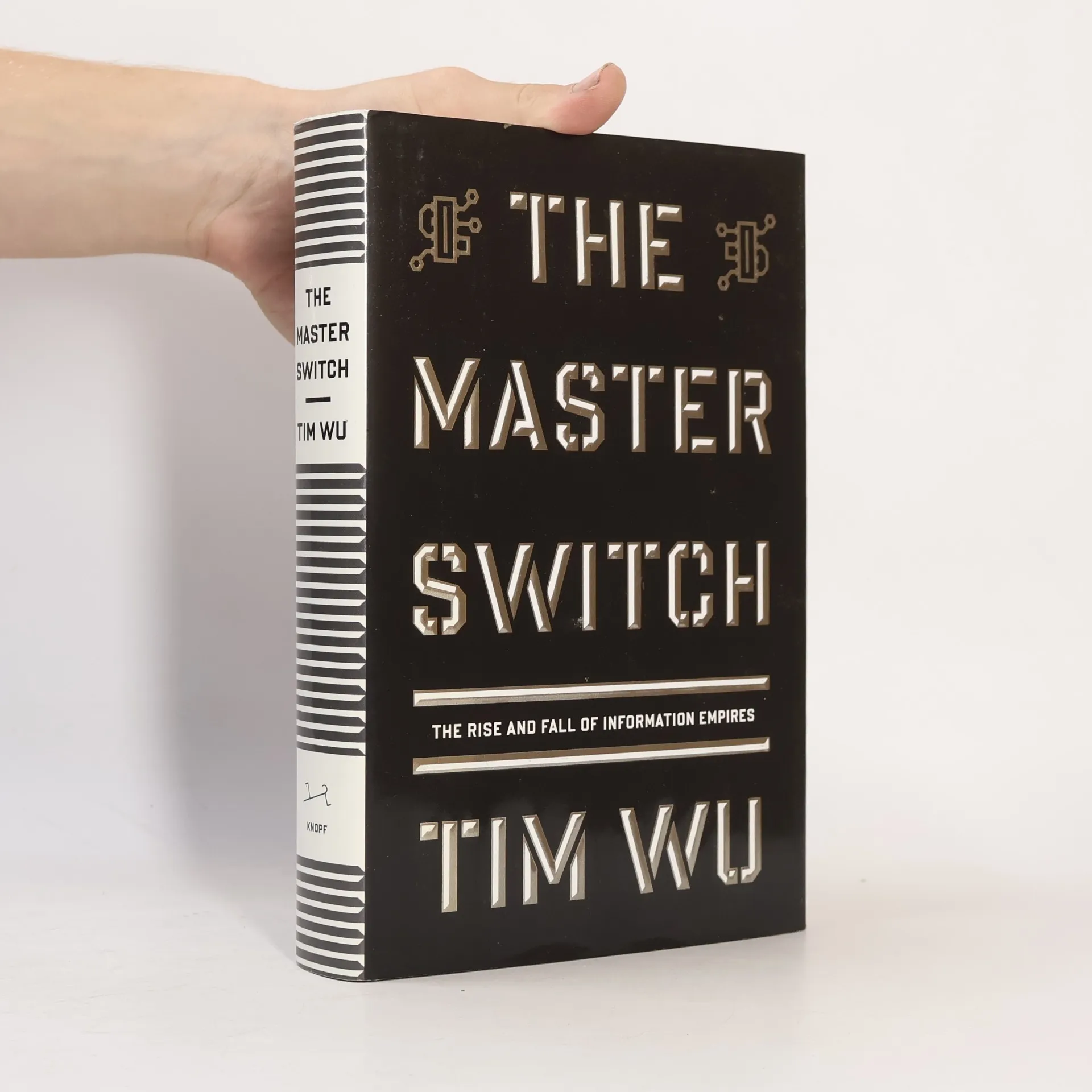
In the era of an open internet, it's easy to overlook how every American information industry, starting with the telephone, has ultimately fallen under the control of monopolies or cartels. With all media now converging on a single network, the potential for centralized control over American information is unprecedented. The author raises a critical question: could the internet, the lifeblood of American information, be dominated by a single corporate giant wielding "the master switch"? This pathbreaking work traces the history of twentieth-century media—radio, telephone, television, and film—each initially thriving in an open environment before being overtaken by powerful moguls. The author illustrates how innovation leads to industry, which in turn fosters empires, often with government support that stifles free expression and innovation. This pattern is evident in today's major information players, such as Apple, Google, and a resurgent AT&T. As a fierce battle for the internet's future looms, and with nearly every aspect of life reliant on this network, the stakes have never been higher. This book serves as both an industrial expose and a reflection on the freedoms necessary in the information age, shedding light on a drama that has unfolded for decades and carries alarming implications for our future.




Zakup książki
The Master Switch, Tim Wu
- Język

- Rok wydania
- 2010
- Oprawa
- (twarda),
- Stan książki
- Dobry
- Cena
- 41,59 zł
Metody płatności
Brakuje nam tutaj Twojej recenzji.
- Tytuł
- The Master Switch
- Język
- angielski
- Autorzy
- Tim Wu
- Wydawca
- Atlantic Books
- Rok wydania
- 2010
- Oprawa
- twarda
- ISBN10
- 0307269930
- ISBN13
- 9780307269935
- Seria
- Kategorie
- Tagi
- Tematy historyczne, Biznes, Polityka, Nauka, Technologia
- Oryginalna nazwa
- The master switch
- Ocena
- 3,85 z 5
- Opis
- In the era of an open internet, it's easy to overlook how every American information industry, starting with the telephone, has ultimately fallen under the control of monopolies or cartels. With all media now converging on a single network, the potential for centralized control over American information is unprecedented. The author raises a critical question: could the internet, the lifeblood of American information, be dominated by a single corporate giant wielding "the master switch"? This pathbreaking work traces the history of twentieth-century media—radio, telephone, television, and film—each initially thriving in an open environment before being overtaken by powerful moguls. The author illustrates how innovation leads to industry, which in turn fosters empires, often with government support that stifles free expression and innovation. This pattern is evident in today's major information players, such as Apple, Google, and a resurgent AT&T. As a fierce battle for the internet's future looms, and with nearly every aspect of life reliant on this network, the stakes have never been higher. This book serves as both an industrial expose and a reflection on the freedoms necessary in the information age, shedding light on a drama that has unfolded for decades and carries alarming implications for our future.