


Więcej o książce
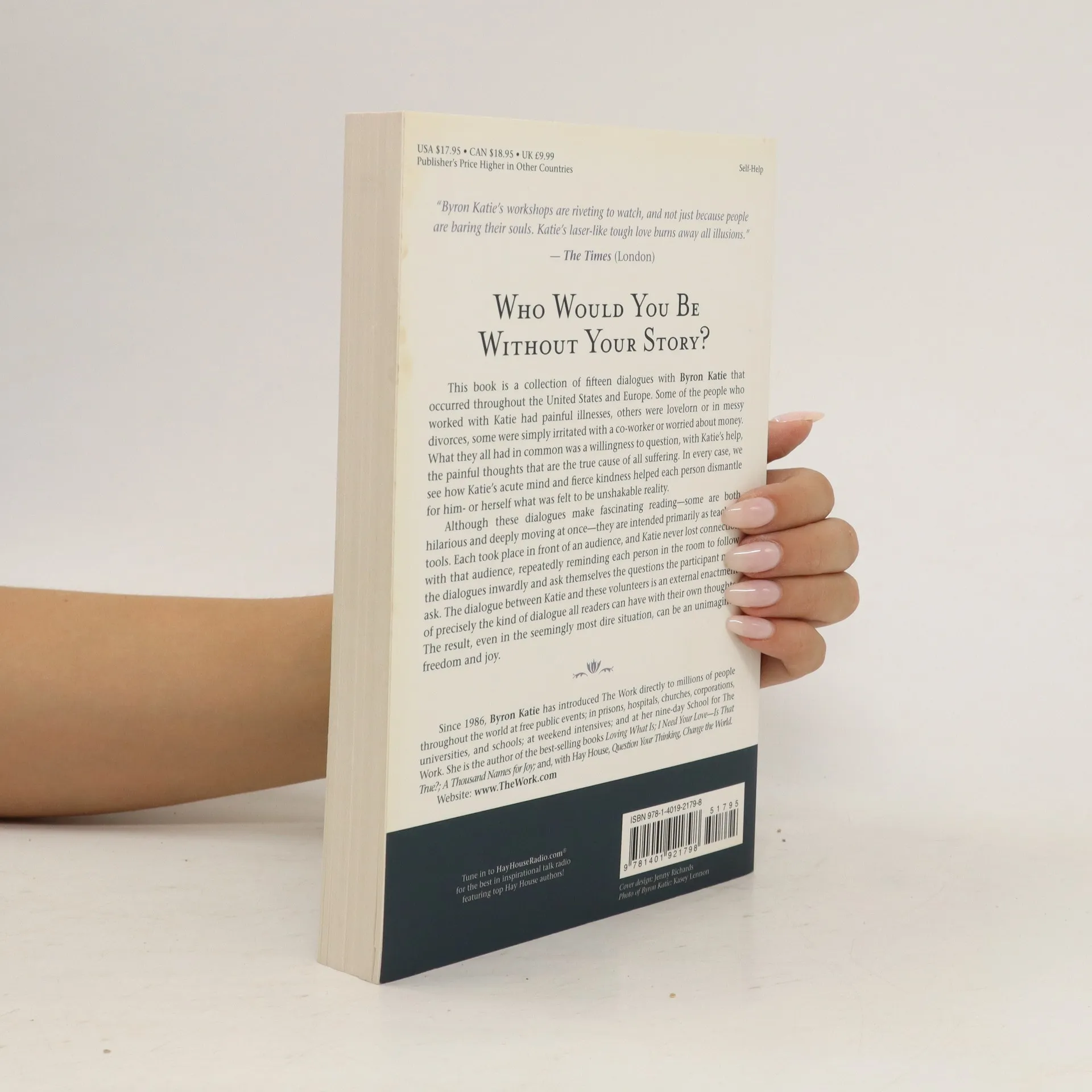
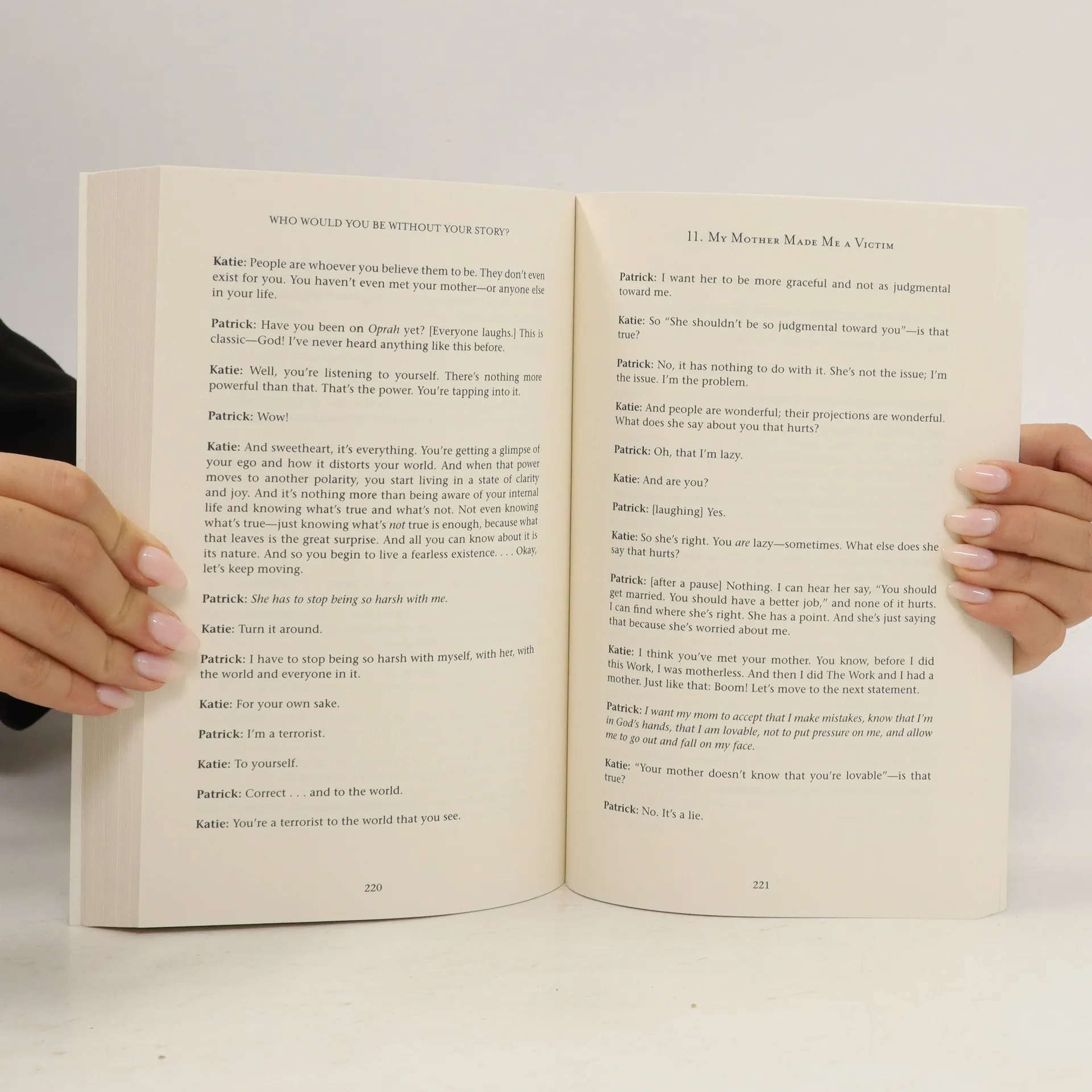
This book is a collection of 15 dialogues that occurred throughout the United States and Europe with Byron Katie. Some of the people who worked with Katie have painful illnesses, others are lovelorn or in messy divorces. Some are simply irritated with a co-worker or worried about money. What they all have in common is a willingness to question, with Katie’s help, the painful thoughts that are the true cause of their suffering. In every case we see how Katie’s acute mind and fierce kindness helps each person dismantle for themselves what is felt to be unshakable reality.Although these dialogues make fascinating reading—some are both hilarious and deeply moving at once—they are intended primarily as teaching tools. Each took place in front of an audience, and Katie never lost connection with that audience, repeatedly reminding each person in the room to follow the dialogues inwardly, asking themselves the questions the participant must ask. The dialogue between Katie and these volunteers is an external enactment of precisely the kind of dialogue each person can have with their own thoughts. The results, even in the seemingly most dire situation, can be unimagined freedom and joy.

Zakup książki
Who Would You Be Without Your Story?, Byron Katie
- Język

- Rok wydania
- 2008
- Oprawa
- (miękka)
Metody płatności
Brakuje nam tutaj Twojej recenzji.
- Tytuł
- Who Would You Be Without Your Story?
- Język
- angielski
- Autorzy
- Byron Katie
- Wydawca
- Hay House
- Rok wydania
- 2008
- Oprawa
- miękka
- Liczba stron
- 330
- ISBN10
- 1401921795
- ISBN13
- 9781401921798
- Seria
- Kategorie
- Ocena
- 4,25 z 5
- Opis
- This book is a collection of 15 dialogues that occurred throughout the United States and Europe with Byron Katie. Some of the people who worked with Katie have painful illnesses, others are lovelorn or in messy divorces. Some are simply irritated with a co-worker or worried about money. What they all have in common is a willingness to question, with Katie’s help, the painful thoughts that are the true cause of their suffering. In every case we see how Katie’s acute mind and fierce kindness helps each person dismantle for themselves what is felt to be unshakable reality.Although these dialogues make fascinating reading—some are both hilarious and deeply moving at once—they are intended primarily as teaching tools. Each took place in front of an audience, and Katie never lost connection with that audience, repeatedly reminding each person in the room to follow the dialogues inwardly, asking themselves the questions the participant must ask. The dialogue between Katie and these volunteers is an external enactment of precisely the kind of dialogue each person can have with their own thoughts. The results, even in the seemingly most dire situation, can be unimagined freedom and joy.