

Parametry
Więcej o książce
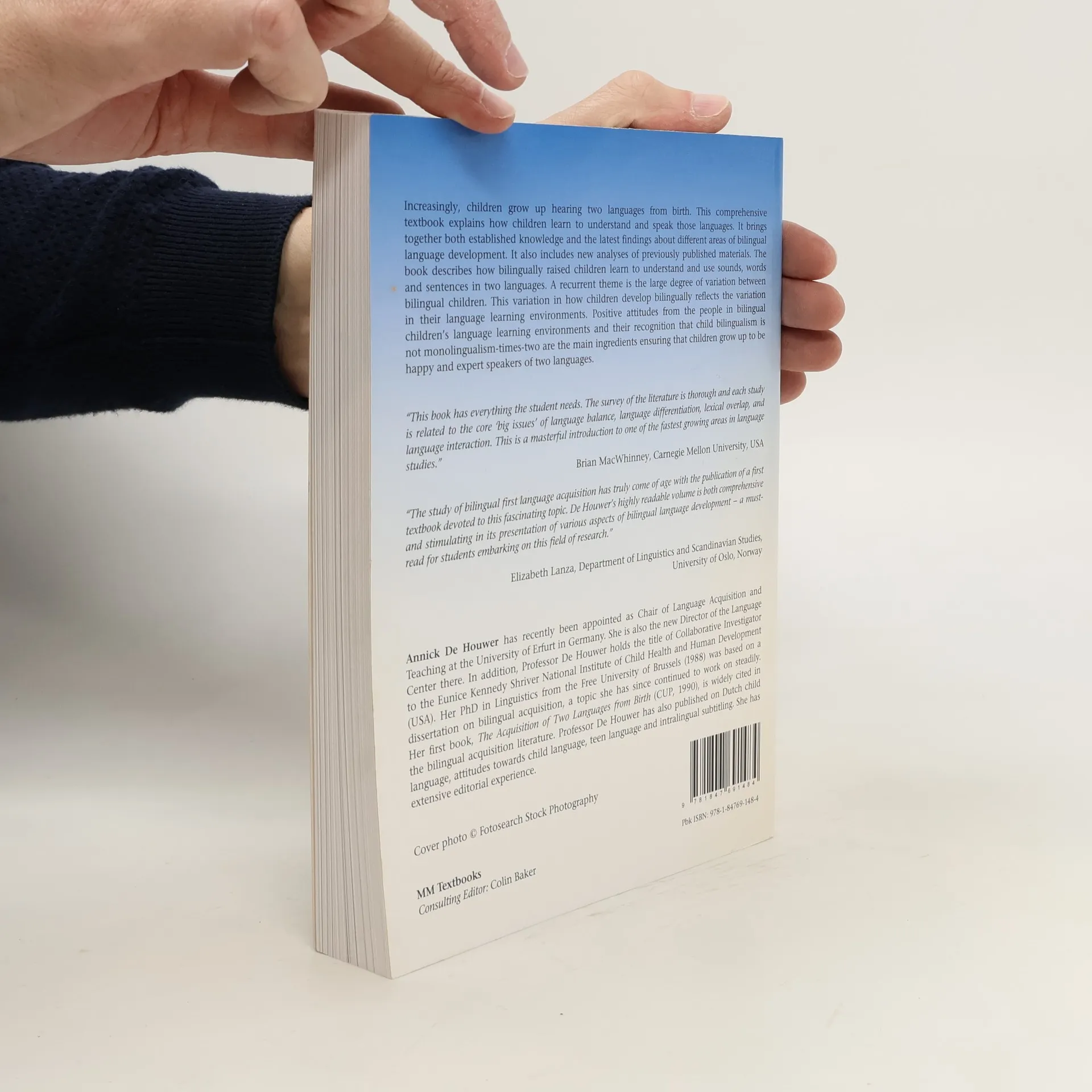
Increasingly, children grow up hearing two languages from birth. This comprehensive textbook explains how children learn to understand and speak those languages. It brings together both established knowledge and the latest findings about different areas of bilingual language development. It also includes new analyses of previously published materials. The book describes how bilingually raised children learn to understand and use sounds, words and sentences in two languages. A recurrent theme is the large degree of variation between bilingual children. This variation in how children develop bilingually reflects the variation in their language learning environments. Positive attitudes from the people in bilingual children's language learning environments and their recognition that child bilingualism is not monolingualism-times-two are the main ingredients ensuring that children grow up to be happy and expert speakers of two languages.


Zakup książki
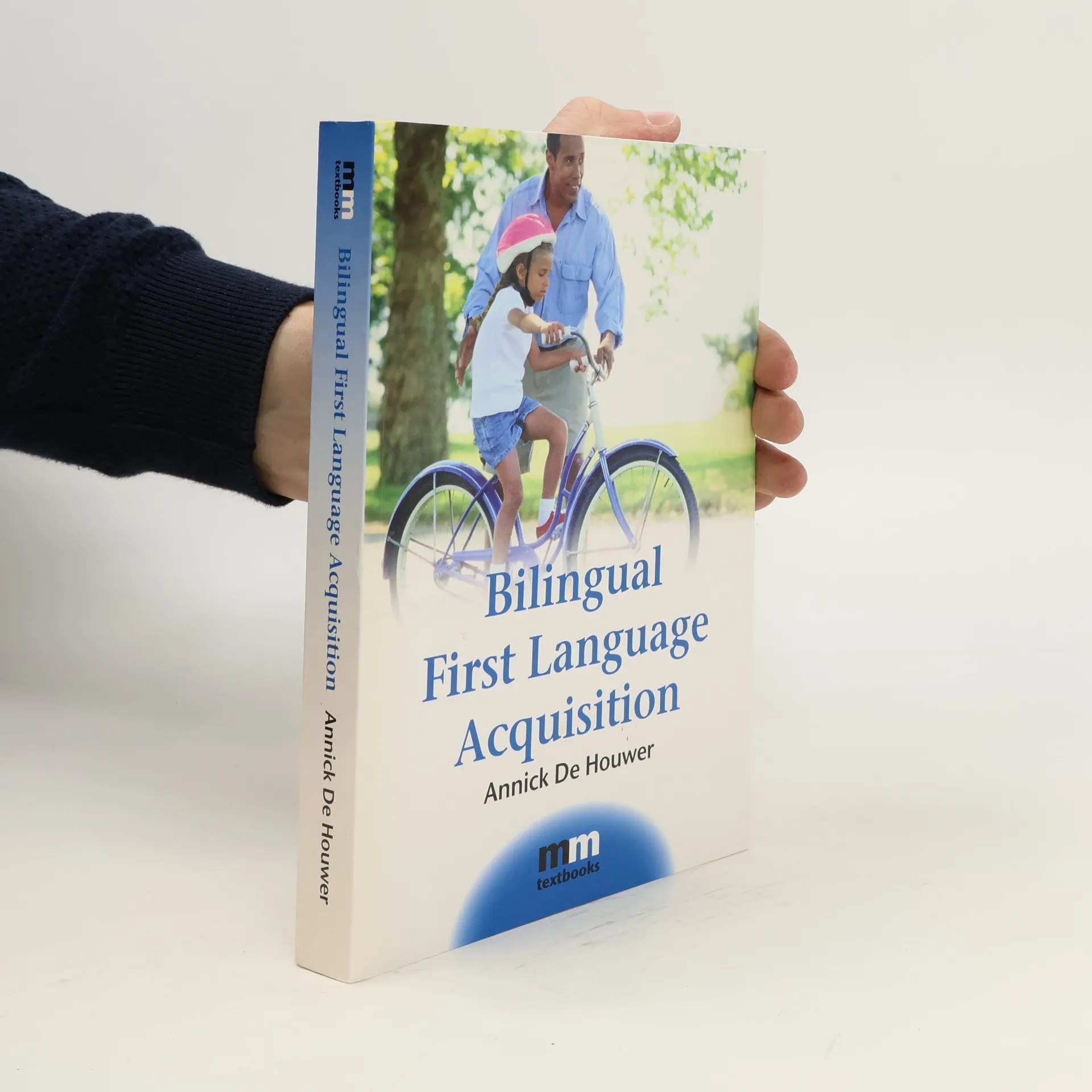
Bilingual First Language Acquisition, Annick De Houwer
- Język

- Rok wydania
- 2009
- Oprawa
- (miękka)
Metody płatności
Nikt jeszcze nie ocenił.
- Tytuł
- Bilingual First Language Acquisition
- Język
- angielski
- Autorzy
- Annick De Houwer
- Wydawca
- MM Textbooks
- Rok wydania
- 2009
- Oprawa
- miękka
- ISBN10
- 184769148X
- ISBN13
- 9781847691484
- Seria
- Kategorie
- Tagi
- Opis
- Increasingly, children grow up hearing two languages from birth. This comprehensive textbook explains how children learn to understand and speak those languages. It brings together both established knowledge and the latest findings about different areas of bilingual language development. It also includes new analyses of previously published materials. The book describes how bilingually raised children learn to understand and use sounds, words and sentences in two languages. A recurrent theme is the large degree of variation between bilingual children. This variation in how children develop bilingually reflects the variation in their language learning environments. Positive attitudes from the people in bilingual children's language learning environments and their recognition that child bilingualism is not monolingualism-times-two are the main ingredients ensuring that children grow up to be happy and expert speakers of two languages.