


Więcej o książce
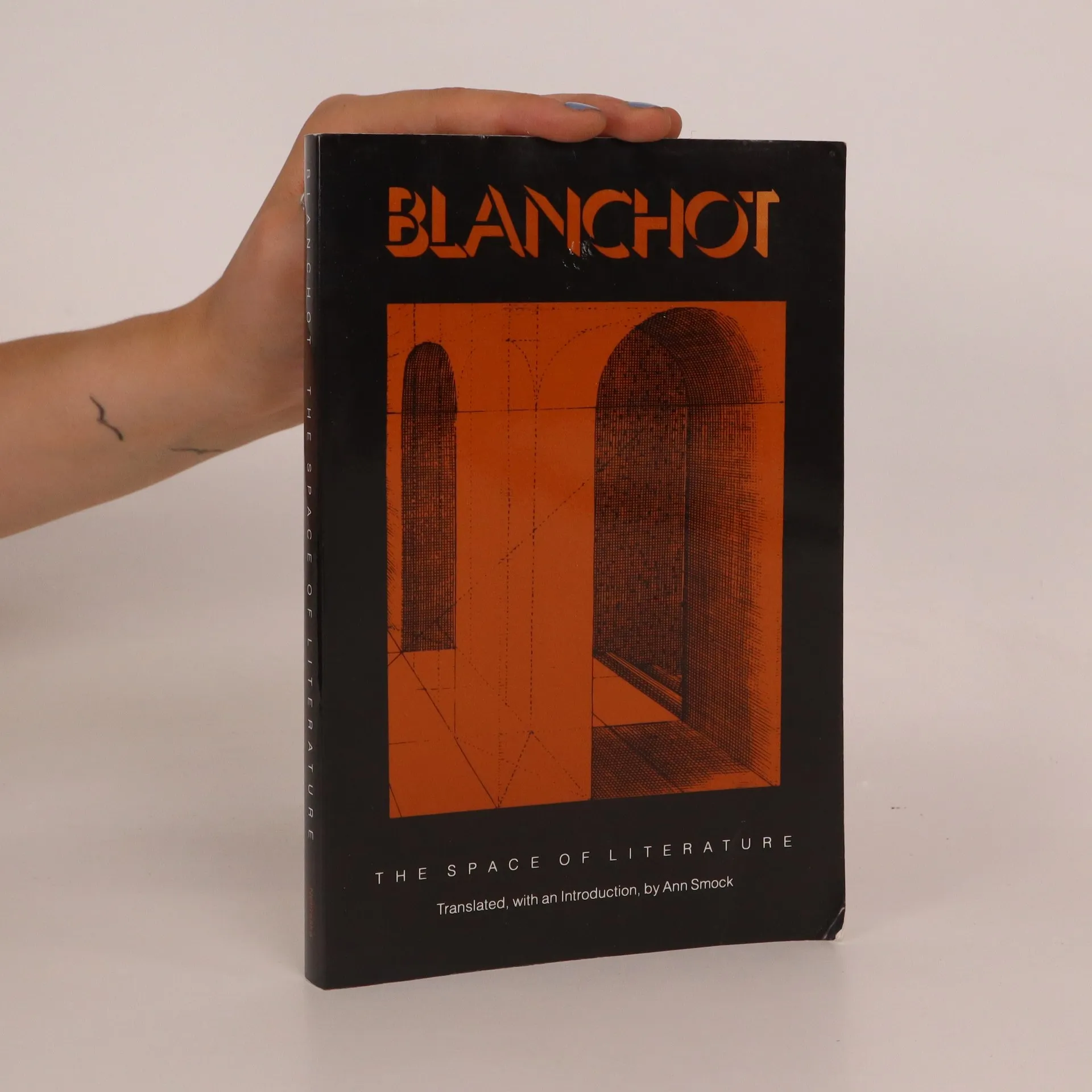
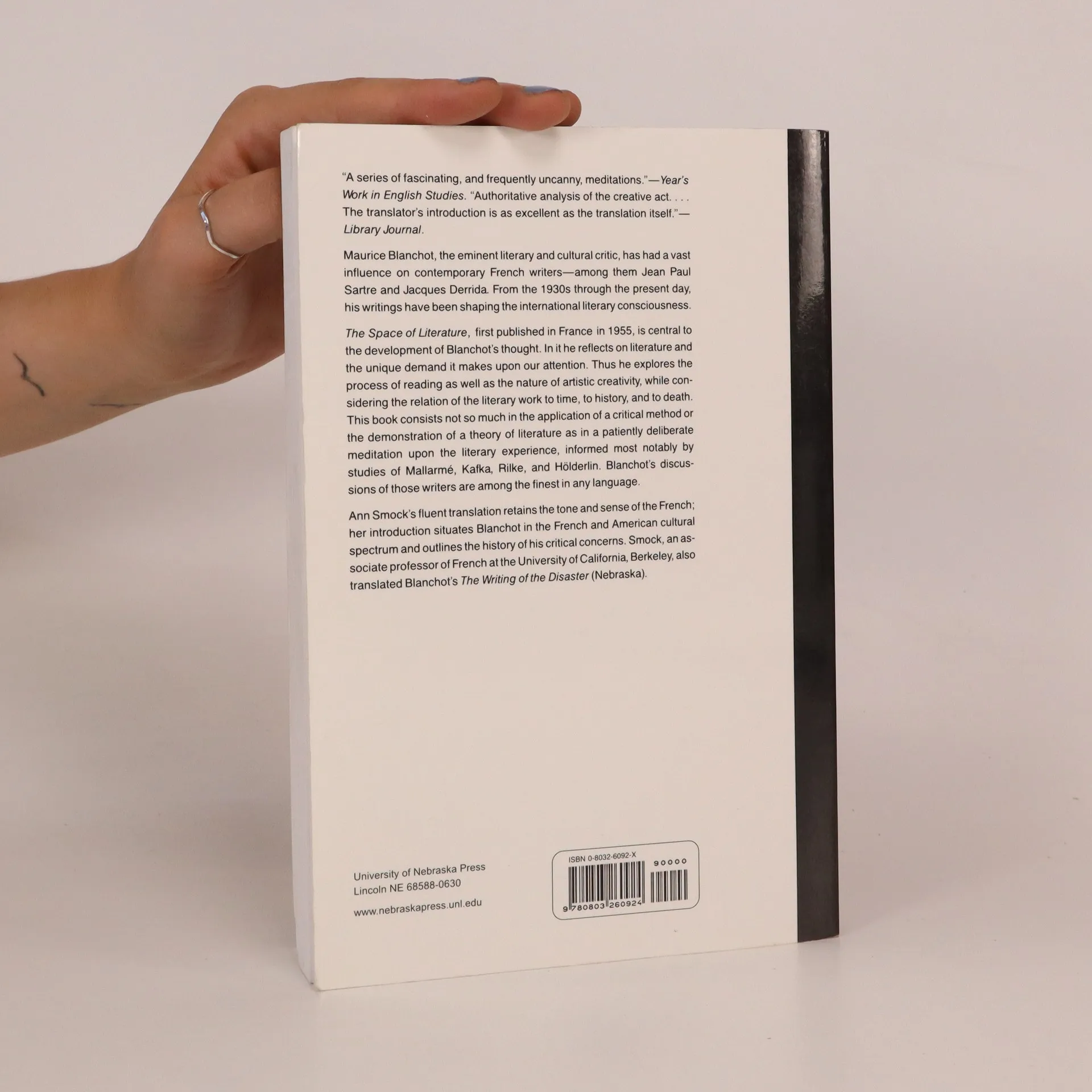
Maurice Blanchot, the eminent literary and cultural critic, has had a vast influence on contemporary French writers—among them Jean Paul Sartre and Jacques Derrida. From the 1930s through the present day, his writings have been shaping the international literary consciousness. The Space of Literature , first published in France in 1955, is central to the development of Blanchot's thought. In it he reflects on literature and the unique demand it makes upon our attention. Thus he explores the process of reading as well as the nature of artistic creativity, all the while considering the relation of the literary work to time, to history, and to death. This book consists not so much in the application of a critical method or the demonstration of a theory of literature as in a patiently deliberate meditation upon the literary experience, informed most notably by studies of Mallarmé, Kafka, Rilke, and Hölderlin. Blanchot's discussions of those writers are among the finest in any language.




Zakup książki
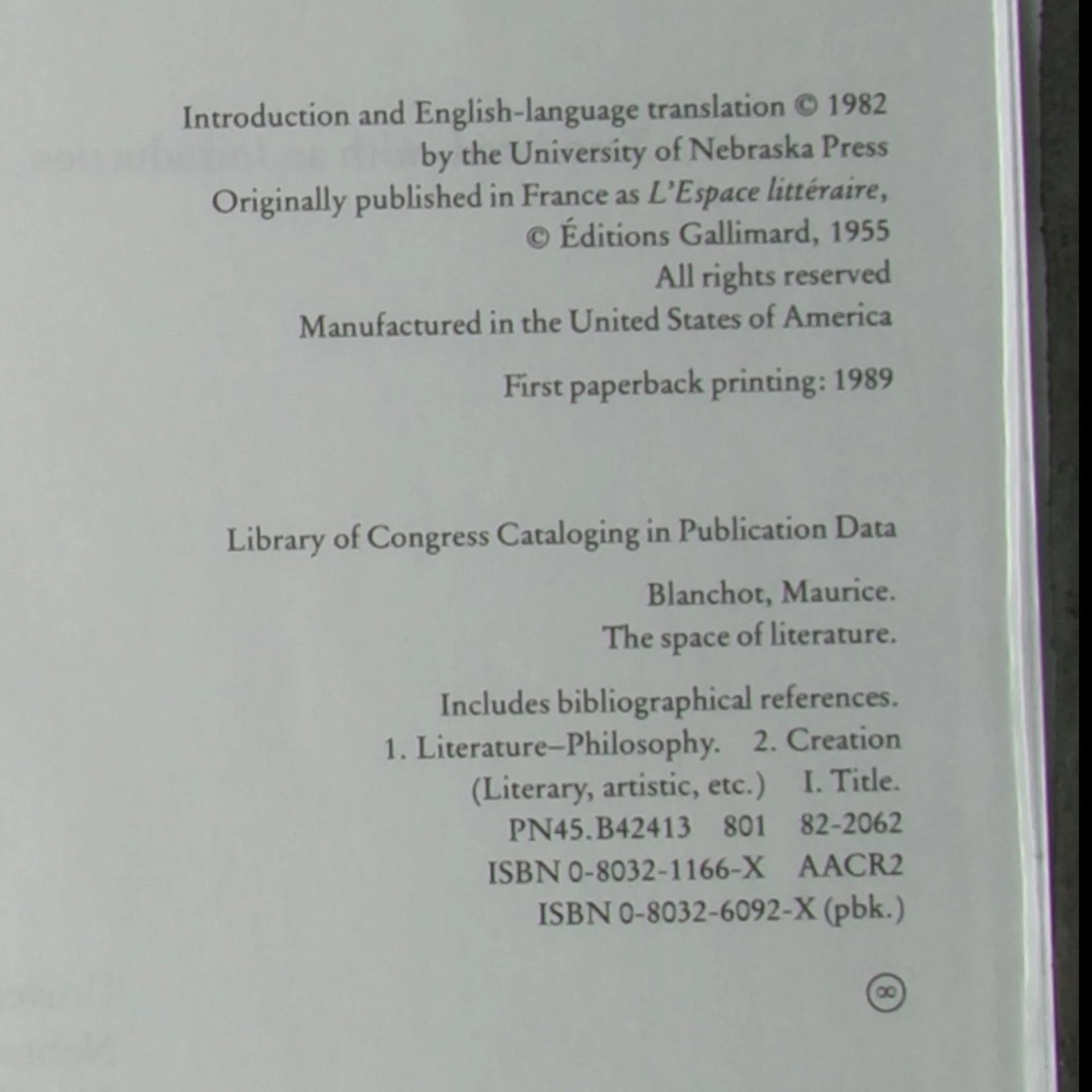
The Space of Literature, Maurice Blanchot, Ann Smock
- Język

- Rok wydania
- 1989
Metody płatności
Brakuje nam tutaj Twojej recenzji.
- Tytuł
- The Space of Literature
- Język
- angielski
- Autorzy
- Maurice Blanchot, Ann Smock
- Wydawca
- Editions Gallimard
- Rok wydania
- 1989
- Seria
- Kategorie
- Tagi
- Tematyka filozoficzna, Literatura niemiecka, Francja, Śmierć, Literatura francuska, Krytyka literacka, Pisanie, Inspiracje, Teorie naukowe, Samotność, Esej, Teoria literatury, Filozofia języka
- Pierwsze wydanie
- 1955
- Oryginalna nazwa
- L'Espace littéraire
- Ocena
- 4,35 z 5
- Opis
- Maurice Blanchot, the eminent literary and cultural critic, has had a vast influence on contemporary French writers—among them Jean Paul Sartre and Jacques Derrida. From the 1930s through the present day, his writings have been shaping the international literary consciousness. The Space of Literature , first published in France in 1955, is central to the development of Blanchot's thought. In it he reflects on literature and the unique demand it makes upon our attention. Thus he explores the process of reading as well as the nature of artistic creativity, all the while considering the relation of the literary work to time, to history, and to death. This book consists not so much in the application of a critical method or the demonstration of a theory of literature as in a patiently deliberate meditation upon the literary experience, informed most notably by studies of Mallarmé, Kafka, Rilke, and Hölderlin. Blanchot's discussions of those writers are among the finest in any language.