

Więcej o książce
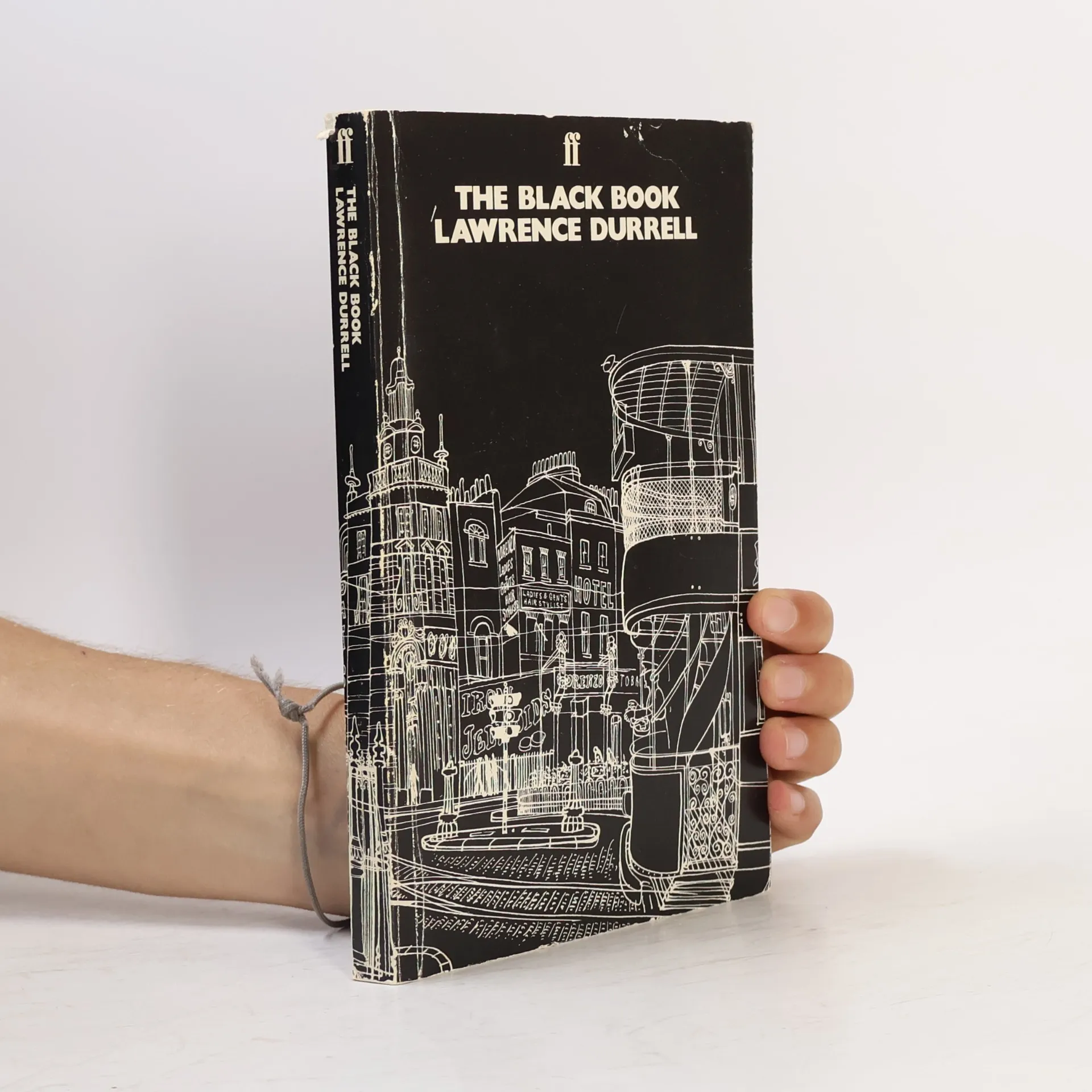
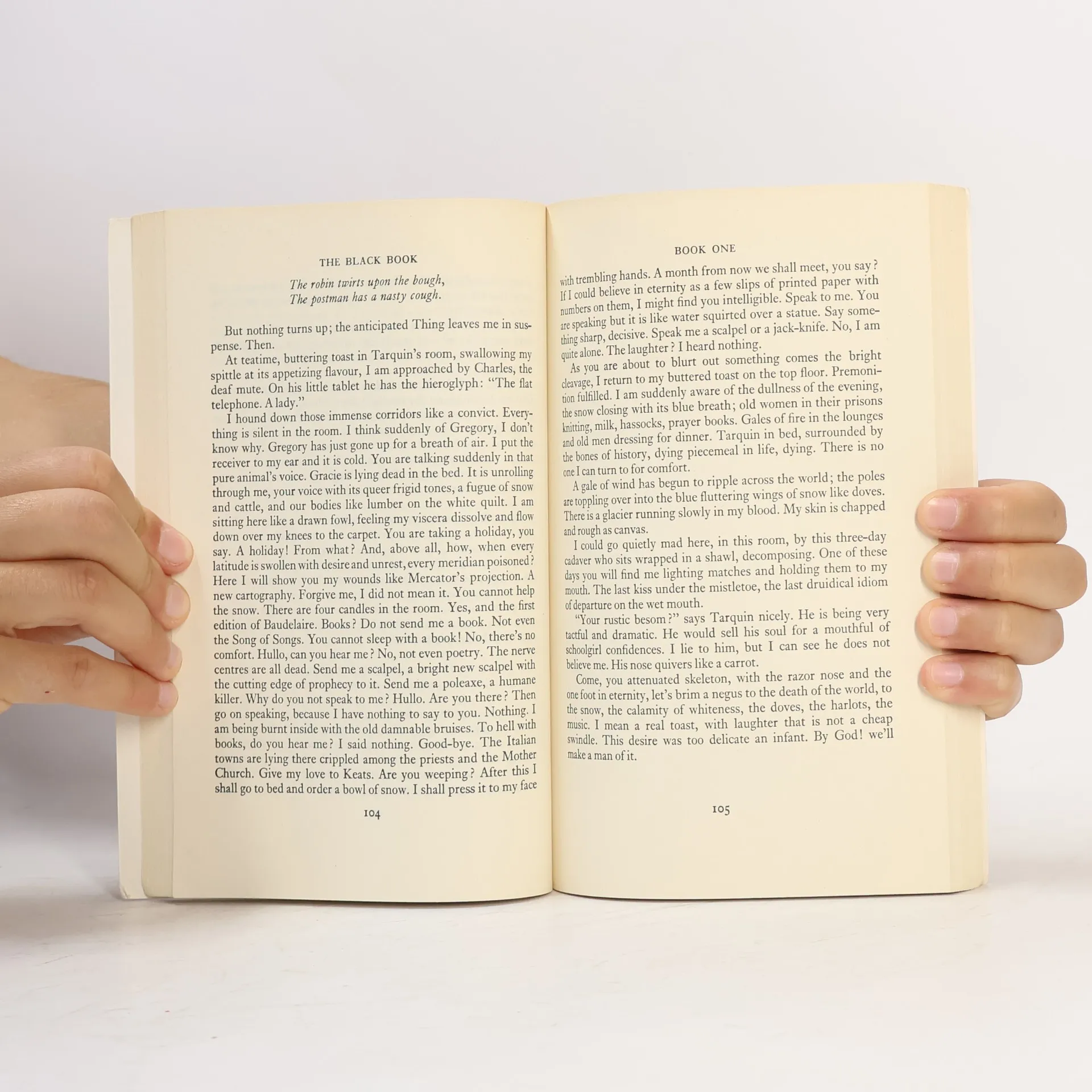
Described as 'the most exhilarating surge of language, style, and sordid English manners,' this novel presents a wild, passionate, and flamboyant extravaganza. It follows the story of Death Gregory, who vanishes, leaving behind his diaries in a seedy London hotel. These diaries, discovered by Lawrence Lucifer, reveal a group of intellectuals immersed in a life of debauchery, grappling with loves, lusts, and a relentless quest for innovation. Their indulgence in both physical and mental appetites leads them deeper into darkness. Written at just 24, the author characterized this controversial third novel as 'a two-fisted attack on literature by an angry young man of the thirties,' marking the emergence of his unique voice. First published in Paris in 1938, it faced a near four-decade ban in Britain due to its 'obscenity,' influenced by Henry Miller. Vivid and surreal, the narrative delves into the depths of the human soul, establishing the author as a pioneering stylist. Critics have praised the work for its 'Stygian prose' and 'verbal brilliance,' noting its lavish display of language and its potential to inspire hope for the future of prose fiction. This major work showcases the author's showy brilliance and remains a brilliantly strange and astonishing read.





Zakup książki
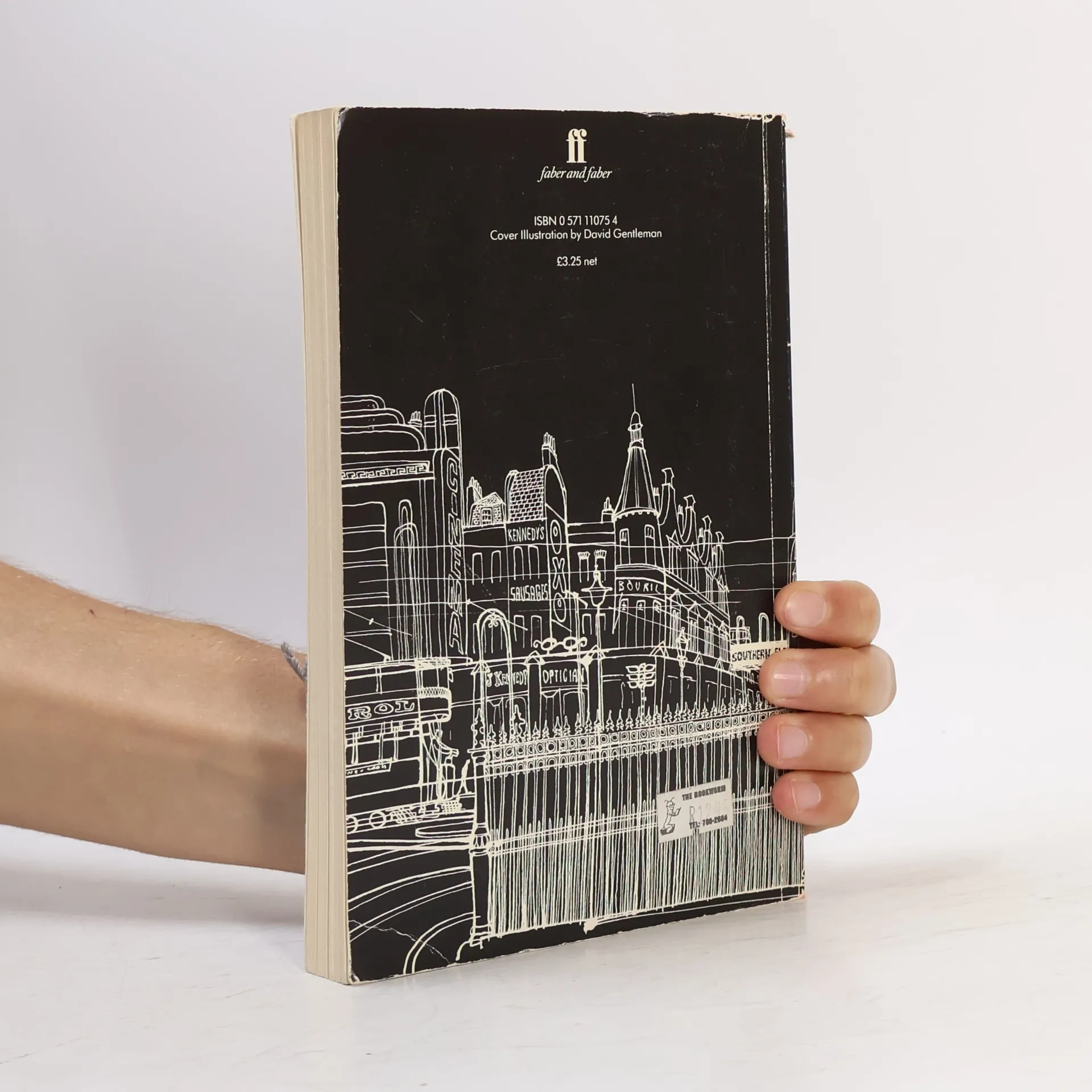
The Black Book, Lawrence Durrell
- Język

- Rok wydania
- 1977
- Oprawa
- (miękka),
- Stan książki
- Dobry
- Cena
- 12,30 zł
Metody płatności
Brakuje nam tutaj Twojej recenzji.
- Tytuł
- The Black Book
- Język
- angielski
- Autorzy
- Lawrence Durrell
- Wydawca
- Faber
- Rok wydania
- 1977
- Oprawa
- miękka
- ISBN10
- 0571110754
- ISBN13
- 9780571110759
- Seria
- Pierwsze wydanie
- 1938
- Oryginalna nazwa
- The Black Book
- Ocena
- 3 z 5
- Opis
- Described as 'the most exhilarating surge of language, style, and sordid English manners,' this novel presents a wild, passionate, and flamboyant extravaganza. It follows the story of Death Gregory, who vanishes, leaving behind his diaries in a seedy London hotel. These diaries, discovered by Lawrence Lucifer, reveal a group of intellectuals immersed in a life of debauchery, grappling with loves, lusts, and a relentless quest for innovation. Their indulgence in both physical and mental appetites leads them deeper into darkness. Written at just 24, the author characterized this controversial third novel as 'a two-fisted attack on literature by an angry young man of the thirties,' marking the emergence of his unique voice. First published in Paris in 1938, it faced a near four-decade ban in Britain due to its 'obscenity,' influenced by Henry Miller. Vivid and surreal, the narrative delves into the depths of the human soul, establishing the author as a pioneering stylist. Critics have praised the work for its 'Stygian prose' and 'verbal brilliance,' noting its lavish display of language and its potential to inspire hope for the future of prose fiction. This major work showcases the author's showy brilliance and remains a brilliantly strange and astonishing read.