

Parametry
Więcej o książce
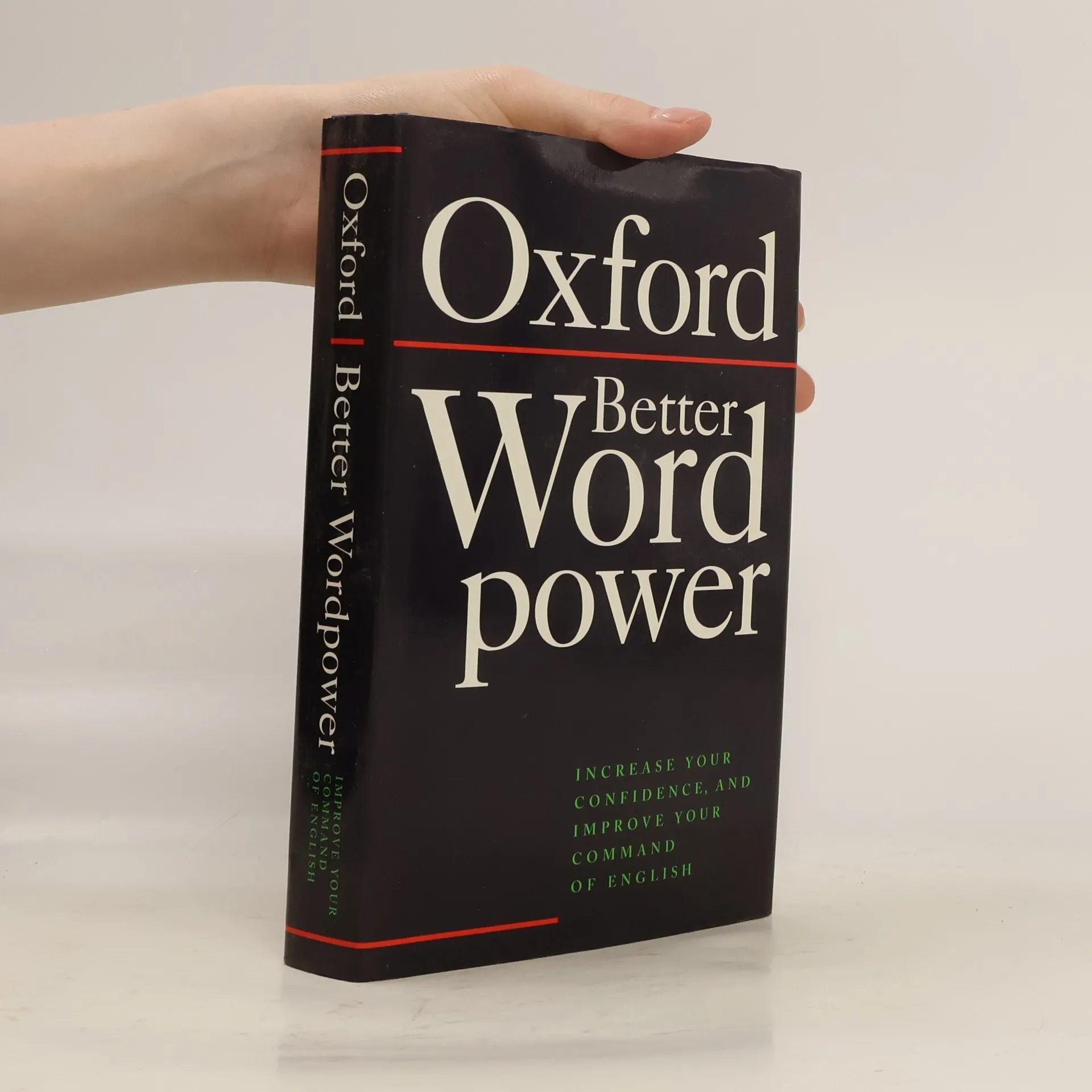
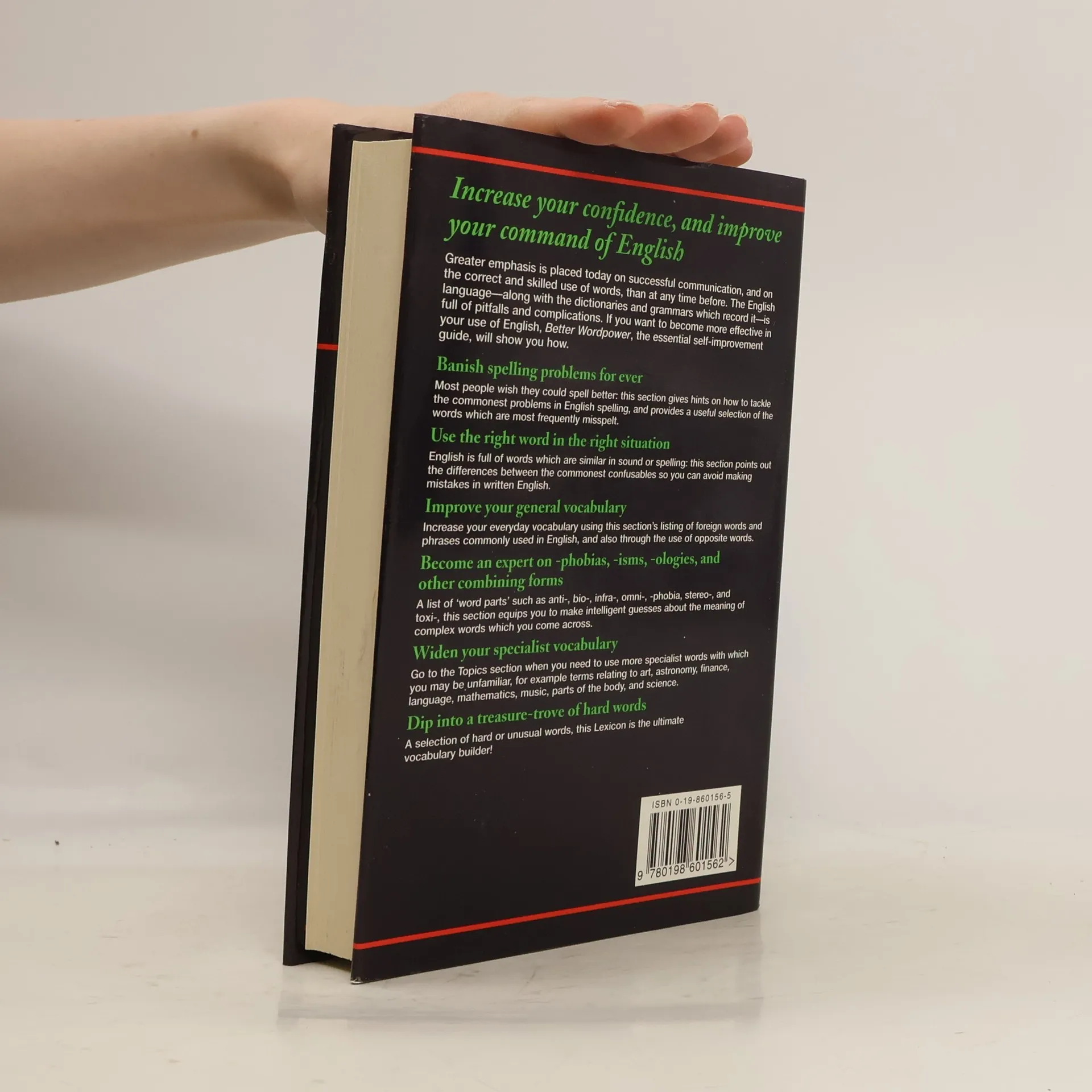
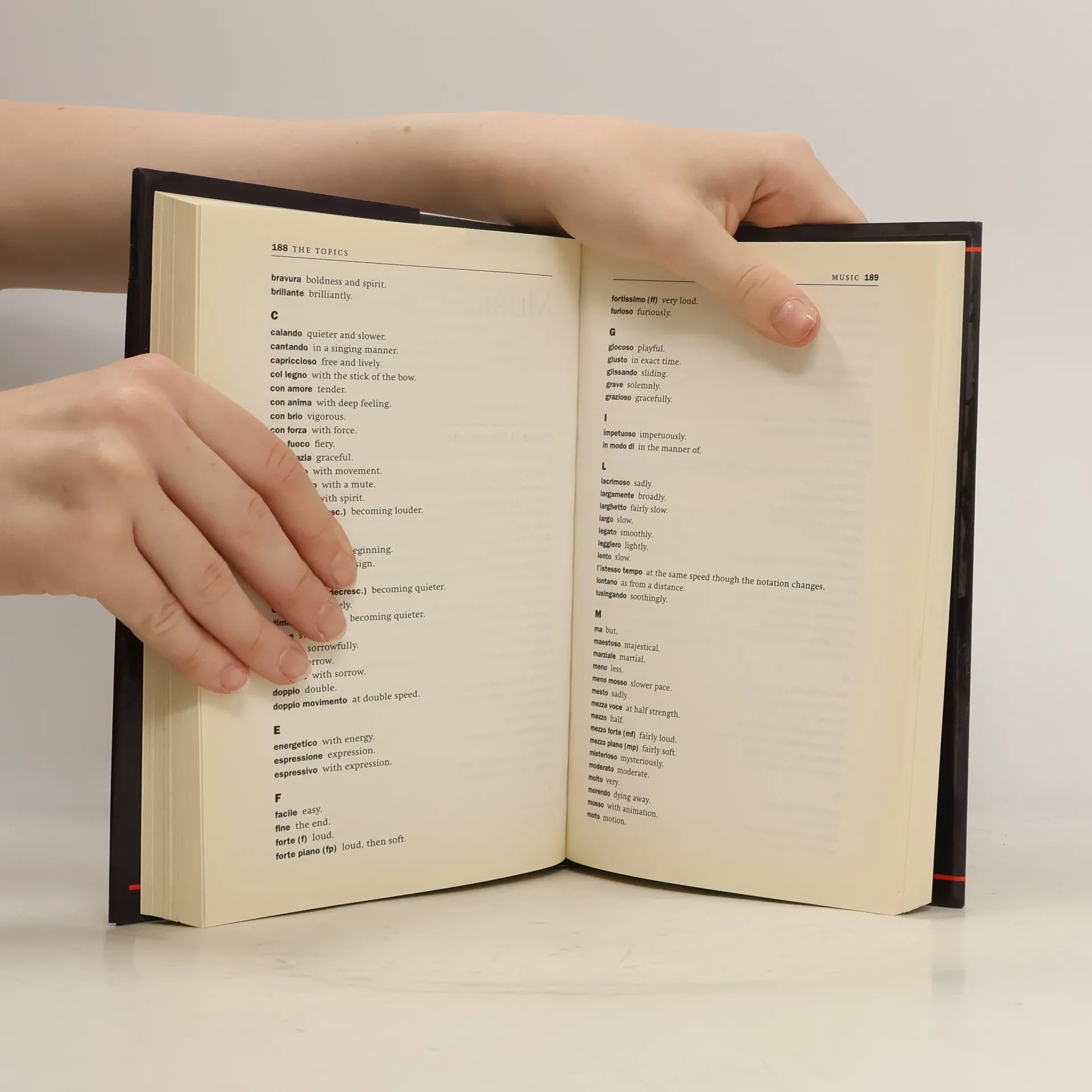
Do you "bale out" of an airplane or do you "bail out"? What is the meaning of the French expression amour propre ?In Better Wordpower , Janet Whitcut provides language lovers and serious writers--and anyone who wants to improve his or her communications skills--with a wealth of advice and information. Whitcut tackles a variety of subjects, ranging from common pitfalls of spelling--for instance, "confusable"words (alternate/alternative, bail/bale)--to frequently seen foreign phrases such as amour propre (self respect), faux pas (tactless blunder), and pis aller (a last resort). Indeed, she explores many powerful ways of building one's vocabulary, including a list of antonyms and a section of wordendings. The latter half of the book is a smorgasbord of words, packed with specialized vocabulary lists, including architectural terms (with diagrams), art techniques and styles, terms from astronomy, botany, and computers, musical directions, ships and nautical terms, winds and weather. Finally,Whitcut offers us a lexicon of hard words, from aam (a former liquid wine measure) to zymosis (fermentation).Here then is a book that will appeal to anyone who wants to write (or read) better, filled with useful tips for the beginning as well as the advanced writer.


Zakup książki
Better Wordpower, Janet Whitcut
- Język

- Rok wydania
- 1999
- Oprawa
- (twarda)
Metody płatności
Brakuje nam tutaj Twojej recenzji.
- Tytuł
- Better Wordpower
- Język
- angielski
- Autorzy
- Janet Whitcut
- Wydawca
- Oxford University Press
- Rok wydania
- 1999
- Oprawa
- twarda
- ISBN10
- 0198601565
- ISBN13
- 9780198601562
- Seria
- Kategorie
- Tagi
- Poradniki
- Ocena
- 3,6 z 5
- Opis
- Do you "bale out" of an airplane or do you "bail out"? What is the meaning of the French expression amour propre ?In Better Wordpower , Janet Whitcut provides language lovers and serious writers--and anyone who wants to improve his or her communications skills--with a wealth of advice and information. Whitcut tackles a variety of subjects, ranging from common pitfalls of spelling--for instance, "confusable"words (alternate/alternative, bail/bale)--to frequently seen foreign phrases such as amour propre (self respect), faux pas (tactless blunder), and pis aller (a last resort). Indeed, she explores many powerful ways of building one's vocabulary, including a list of antonyms and a section of wordendings. The latter half of the book is a smorgasbord of words, packed with specialized vocabulary lists, including architectural terms (with diagrams), art techniques and styles, terms from astronomy, botany, and computers, musical directions, ships and nautical terms, winds and weather. Finally,Whitcut offers us a lexicon of hard words, from aam (a former liquid wine measure) to zymosis (fermentation).Here then is a book that will appeal to anyone who wants to write (or read) better, filled with useful tips for the beginning as well as the advanced writer.