


Więcej o książce
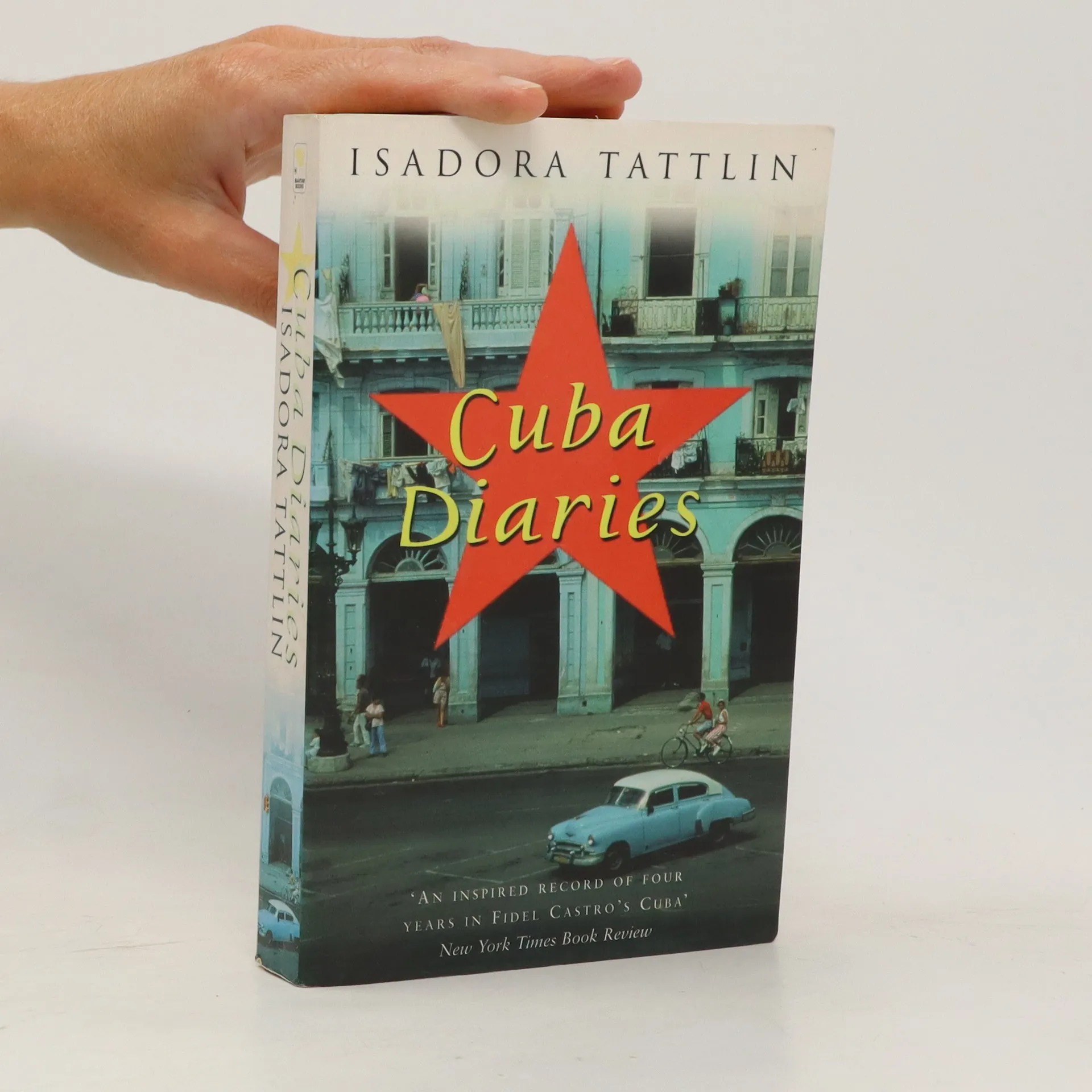
The face of modern-day Cuba is in many respects still frozen in the 1950s, with its classic American cars, horse-drawn carriages and colonial Spanish architecture. In a country where taxi drivers earn more than doctors, understanding Cuba is a compelling but never-ending task. In the early 1990s, after the fall of the Berlin Wall, Cuba was plunged into crisis. Having been subsidized by the Soviet Union to the tune of $3 million a day, the country's economy entered freefall. The ban on the US dollar was lifted, the floodgates of tourism opened and the salaries of Cubans in contact with foreigners went into orbit. Into Castro's fortress of dollar-fuelled hedonism and communist austerity came the American wife of a European energy consultant posted to Havana, and their two small children. Isadora Tattlin befriended Cubans from all walks of life, gave dozens of parties - even Fidel Castro came to dinner! - and kept a daily diary. The result is a remarkable testimony to a unique period in Cuba's history when el triunfo de la revolucion was beginning to clash with the powerful lure of multinational consumerism.

Zakup książki
Cuba Diaries, Isadora Tattlin
- Język

- Rok wydania
- 2003
- Oprawa
- (miękka)
Metody płatności
Brakuje nam tutaj Twojej recenzji.
- Tytuł
- Cuba Diaries
- Język
- angielski
- Autorzy
- Isadora Tattlin
- Wydawca
- Random House
- Rok wydania
- 2003
- Oprawa
- miękka
- Liczba stron
- 409
- ISBN10
- 0553815326
- ISBN13
- 9780553815320
- Seria
- Tagi
- Podróże
- Ocena
- 3,3 z 5
- Opis
- The face of modern-day Cuba is in many respects still frozen in the 1950s, with its classic American cars, horse-drawn carriages and colonial Spanish architecture. In a country where taxi drivers earn more than doctors, understanding Cuba is a compelling but never-ending task. In the early 1990s, after the fall of the Berlin Wall, Cuba was plunged into crisis. Having been subsidized by the Soviet Union to the tune of $3 million a day, the country's economy entered freefall. The ban on the US dollar was lifted, the floodgates of tourism opened and the salaries of Cubans in contact with foreigners went into orbit. Into Castro's fortress of dollar-fuelled hedonism and communist austerity came the American wife of a European energy consultant posted to Havana, and their two small children. Isadora Tattlin befriended Cubans from all walks of life, gave dozens of parties - even Fidel Castro came to dinner! - and kept a daily diary. The result is a remarkable testimony to a unique period in Cuba's history when el triunfo de la revolucion was beginning to clash with the powerful lure of multinational consumerism.