



Seria
Więcej o książce
The Four Quartets is a series of four poems by T.S. Eliot, published individually from 1936 to 1942, and in book form in 1943; it was considered by Eliot himself to be his finest work. Each of the quartets has five "movements" and each is titled by a place name -- BURNT NORTON (1936), EAST COKER (1940), THE DRY SALVAGES (1941), and LITTLE GIDDING (1942). Eliot's insights into the cyclical nature of life are revealed through themes and images woven throughout the four poems. Spiritual, philosophical, and personal themes emerge through symbolic allusions and literary and religious references from both Eastern and Western thought. The work addresses the connections of the personal and historical present and past, spiritual renewal, and the very nature of experience; it is considered the poet's clearest exposition of his Christian beliefs. (The Merriam-Webster Encyclopedia of Literature)

Zakup książki
Quattro quartetti, T. S. Eliot
- Język


- Rok wydania
- 1989
- Oprawa
- (miękka)
Metody płatności
Brakuje nam tutaj Twojej recenzji.
- Tytuł
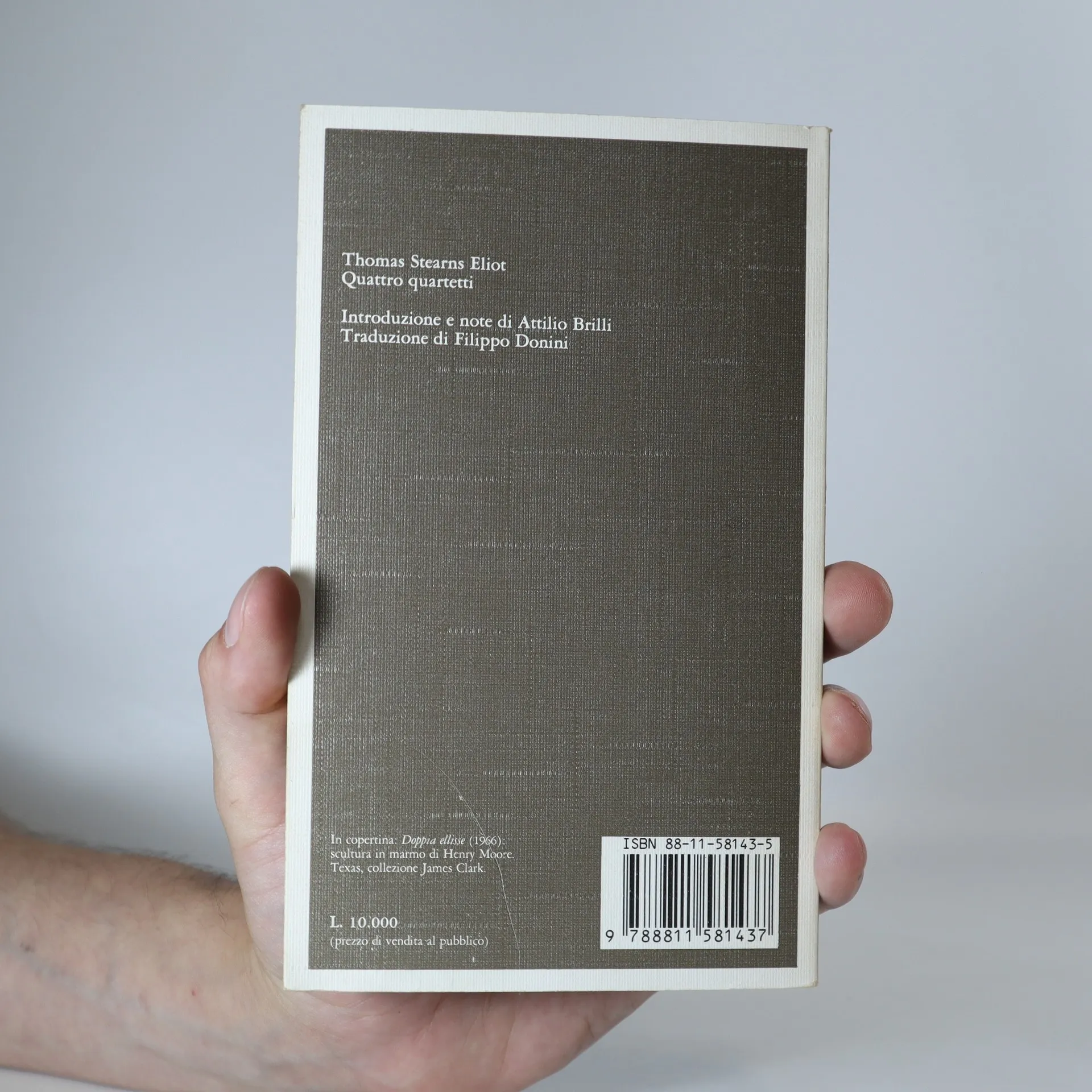
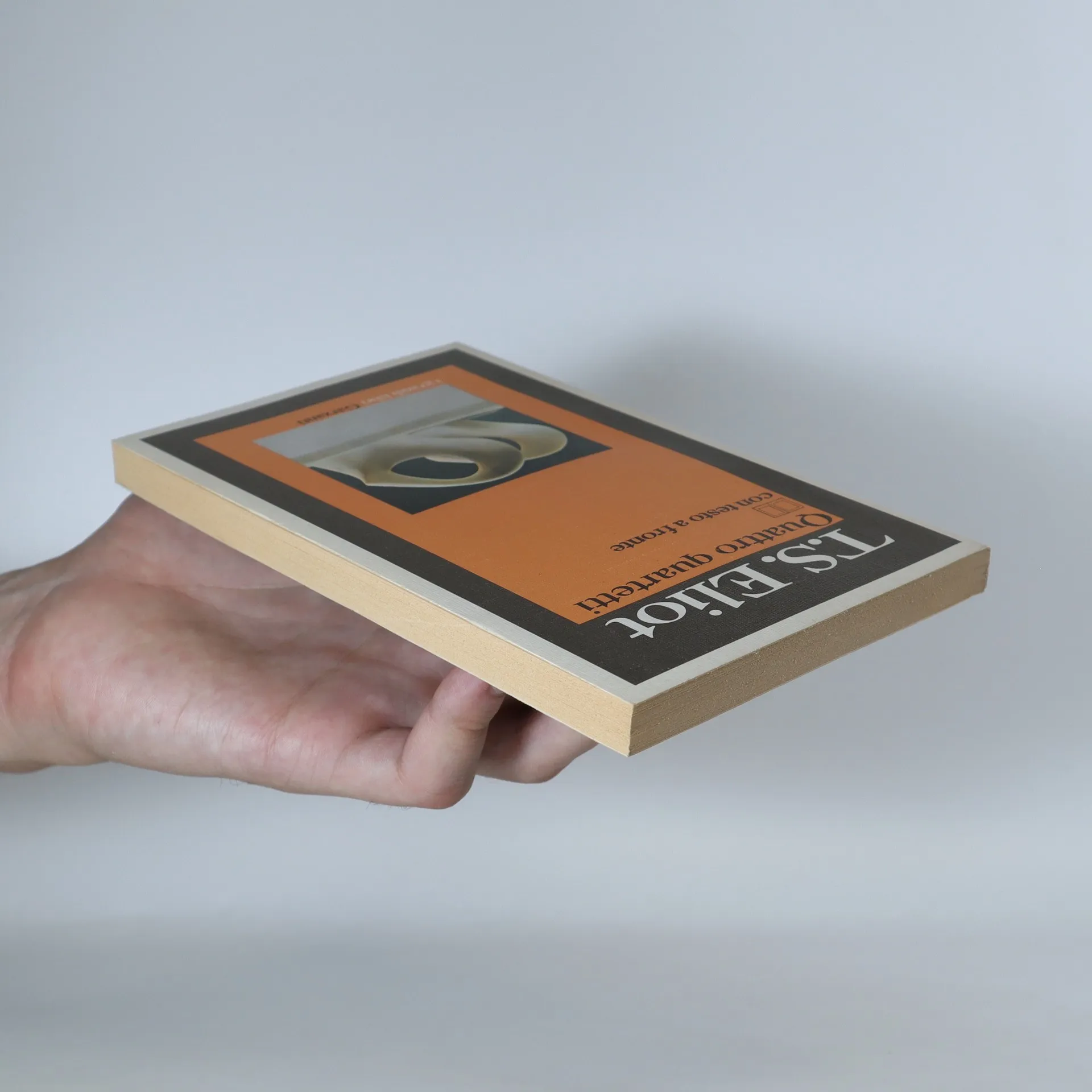
- Quattro quartetti
- Język
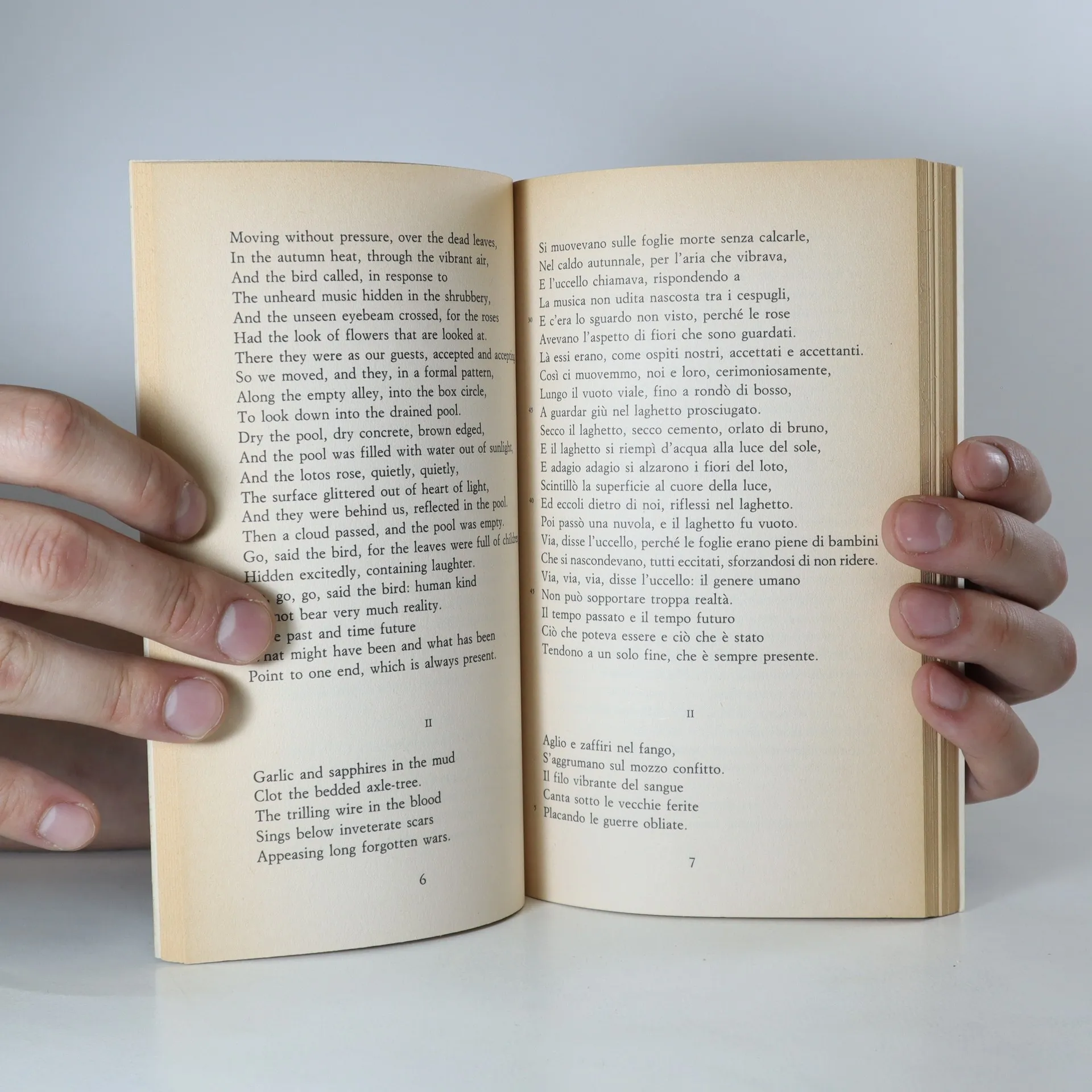
- angielski, włoski
- Autorzy
- T. S. Eliot
- Wydawca
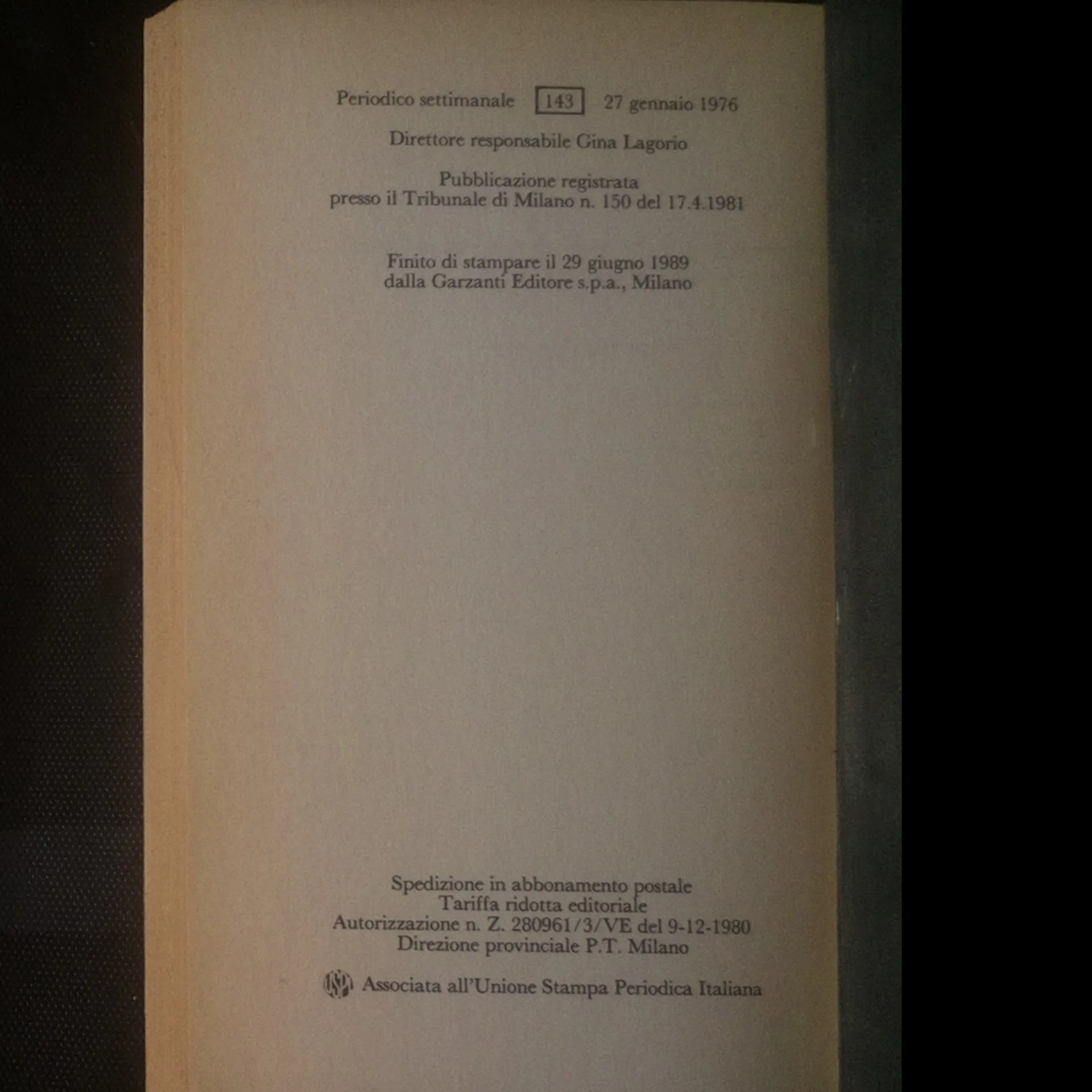
- Garzanti Editore
- Rok wydania
- 1989
- Oprawa
- miękka
- Liczba stron
- 116
- ISBN10
- 8811581435
- ISBN13
- 9788811581437
- Seria
- Four Quartets
- Tagi
- Tematy historyczne, Tematyka filozoficzna, XX wiek, Literatura amerykańska, Literatura angielska, Wydanie dwujęzyczne, Wydanie dwujęzyczne, Modernizm
- Pierwsze wydanie
- 1943
- Oryginalna nazwa
- Four Quartets
- Ocena
- 4,35 z 5
- Opis
- The Four Quartets is a series of four poems by T.S. Eliot, published individually from 1936 to 1942, and in book form in 1943; it was considered by Eliot himself to be his finest work. Each of the quartets has five "movements" and each is titled by a place name -- BURNT NORTON (1936), EAST COKER (1940), THE DRY SALVAGES (1941), and LITTLE GIDDING (1942). Eliot's insights into the cyclical nature of life are revealed through themes and images woven throughout the four poems. Spiritual, philosophical, and personal themes emerge through symbolic allusions and literary and religious references from both Eastern and Western thought. The work addresses the connections of the personal and historical present and past, spiritual renewal, and the very nature of experience; it is considered the poet's clearest exposition of his Christian beliefs. (The Merriam-Webster Encyclopedia of Literature)