



Więcej o książce
The author of the breakout hit Here Comes Everybody explores how new technology is transforming us from passive consumers into active collaborators, unlocking a wave of creative production that will reshape our world. For years, technology led people to waste their time and intellect as mere consumers. Now, it has aligned with human potential. Clay Shirky predicts exciting changes as digital technology finally harnesses our untapped resources of talent and goodwill. Since the postwar boom, Americans have possessed a surplus of intellect, energy, and time—what Shirky terms cognitive surplus. However, this abundance largely went to waste as television dominated our leisure time, fostering isolation. Today, new media enables us to collaborate at minimal cost, leading to remarkable outcomes, from innovative reference tools like Wikipedia to lifesaving platforms like Ushahidi.com, which empowers Kenyans to report violence despite government censorship. Shirky argues that this cognitive surplus represents a return to natural forms of collaboration that existed until the early twentieth century. He outlines the profound effects of this surplus on twenty-first-century society, including increased innovation, transparency, and productivity. The potential impact is vast; for instance, Wikipedia was created using just 1 percent of the time Americans spend watching TV annually. Shirky illustrates how our society will dramatically improve


Zakup książki
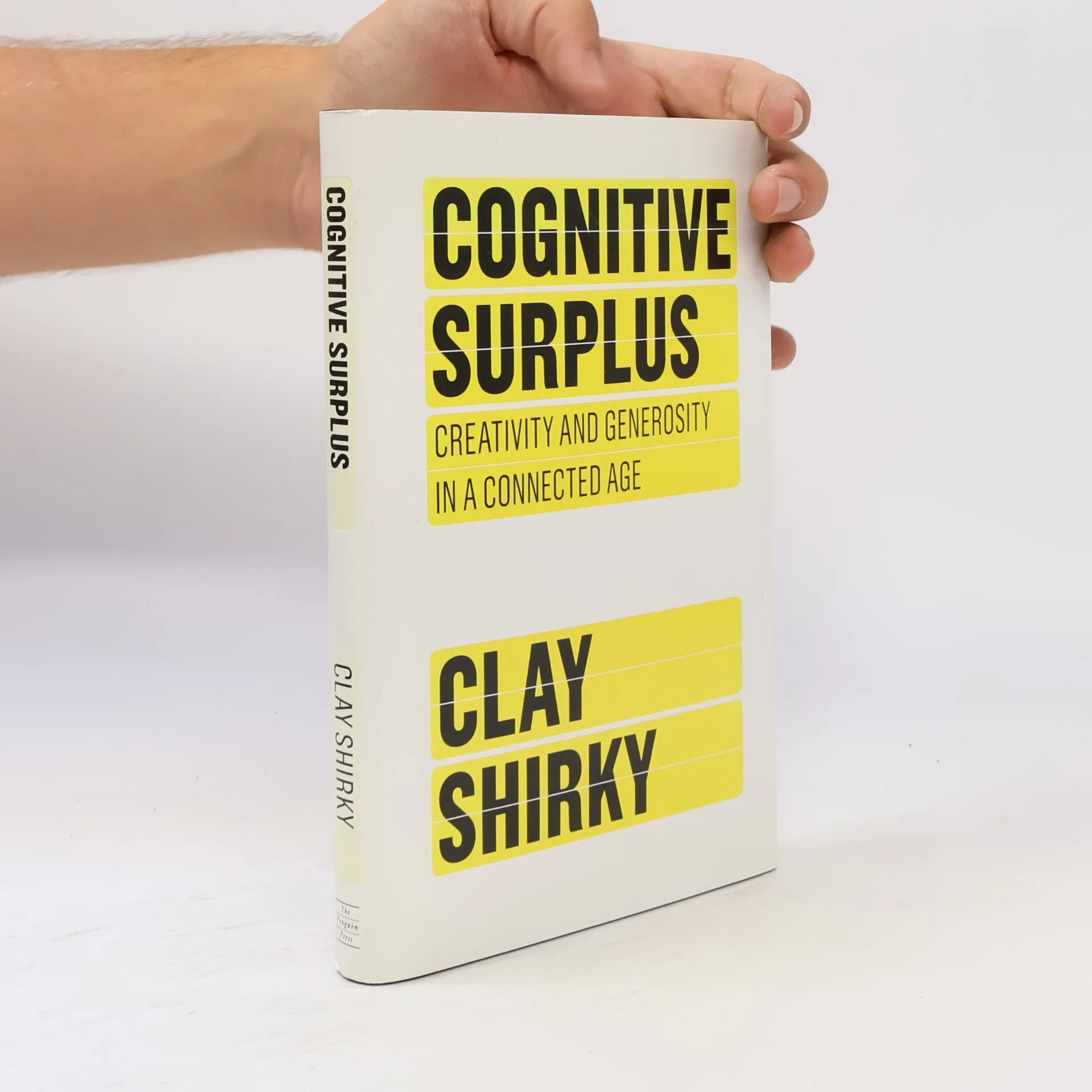
Cognitive Surplus, Clay Shirky
- Język

- Rok wydania
- 2010
- Oprawa
- (twarda)
Metody płatności
Brakuje nam tutaj Twojej recenzji.
- Tytuł
- Cognitive Surplus
- Podtytuł
- Creativity and Generosity in a Connected Age
- Język
- angielski
- Autorzy
- Clay Shirky
- Wydawca
- Penguin Press
- Rok wydania
- 2010
- Oprawa
- twarda
- Liczba stron
- 256
- ISBN10
- 1594202532
- ISBN13
- 9781594202537
- Seria
- Kategorie
- Ocena
- 3,85 z 5
- Opis
- The author of the breakout hit Here Comes Everybody explores how new technology is transforming us from passive consumers into active collaborators, unlocking a wave of creative production that will reshape our world. For years, technology led people to waste their time and intellect as mere consumers. Now, it has aligned with human potential. Clay Shirky predicts exciting changes as digital technology finally harnesses our untapped resources of talent and goodwill. Since the postwar boom, Americans have possessed a surplus of intellect, energy, and time—what Shirky terms cognitive surplus. However, this abundance largely went to waste as television dominated our leisure time, fostering isolation. Today, new media enables us to collaborate at minimal cost, leading to remarkable outcomes, from innovative reference tools like Wikipedia to lifesaving platforms like Ushahidi.com, which empowers Kenyans to report violence despite government censorship. Shirky argues that this cognitive surplus represents a return to natural forms of collaboration that existed until the early twentieth century. He outlines the profound effects of this surplus on twenty-first-century society, including increased innovation, transparency, and productivity. The potential impact is vast; for instance, Wikipedia was created using just 1 percent of the time Americans spend watching TV annually. Shirky illustrates how our society will dramatically improve