

Parametry
- 423 strony
- 15 godzin czytania
Więcej o książce
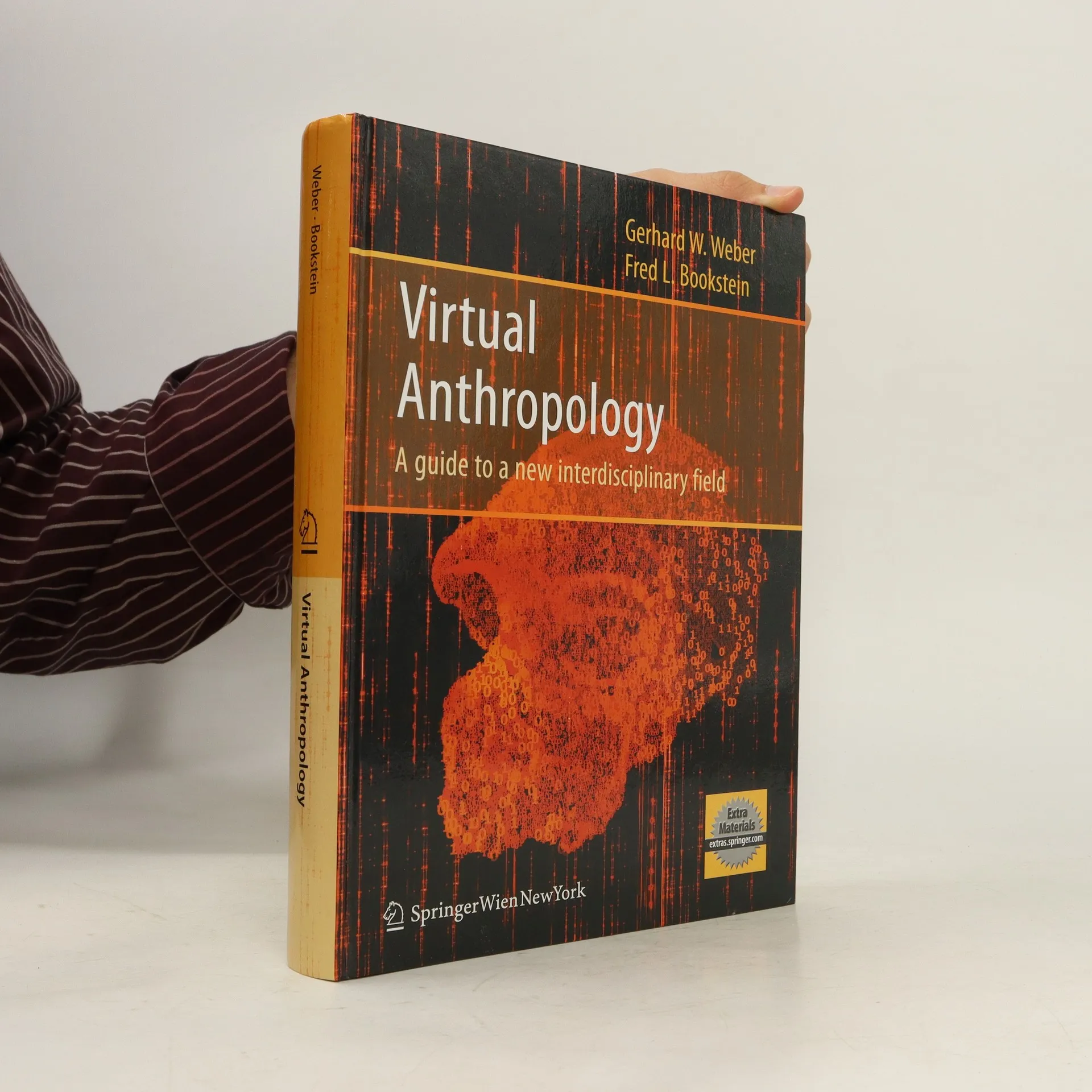
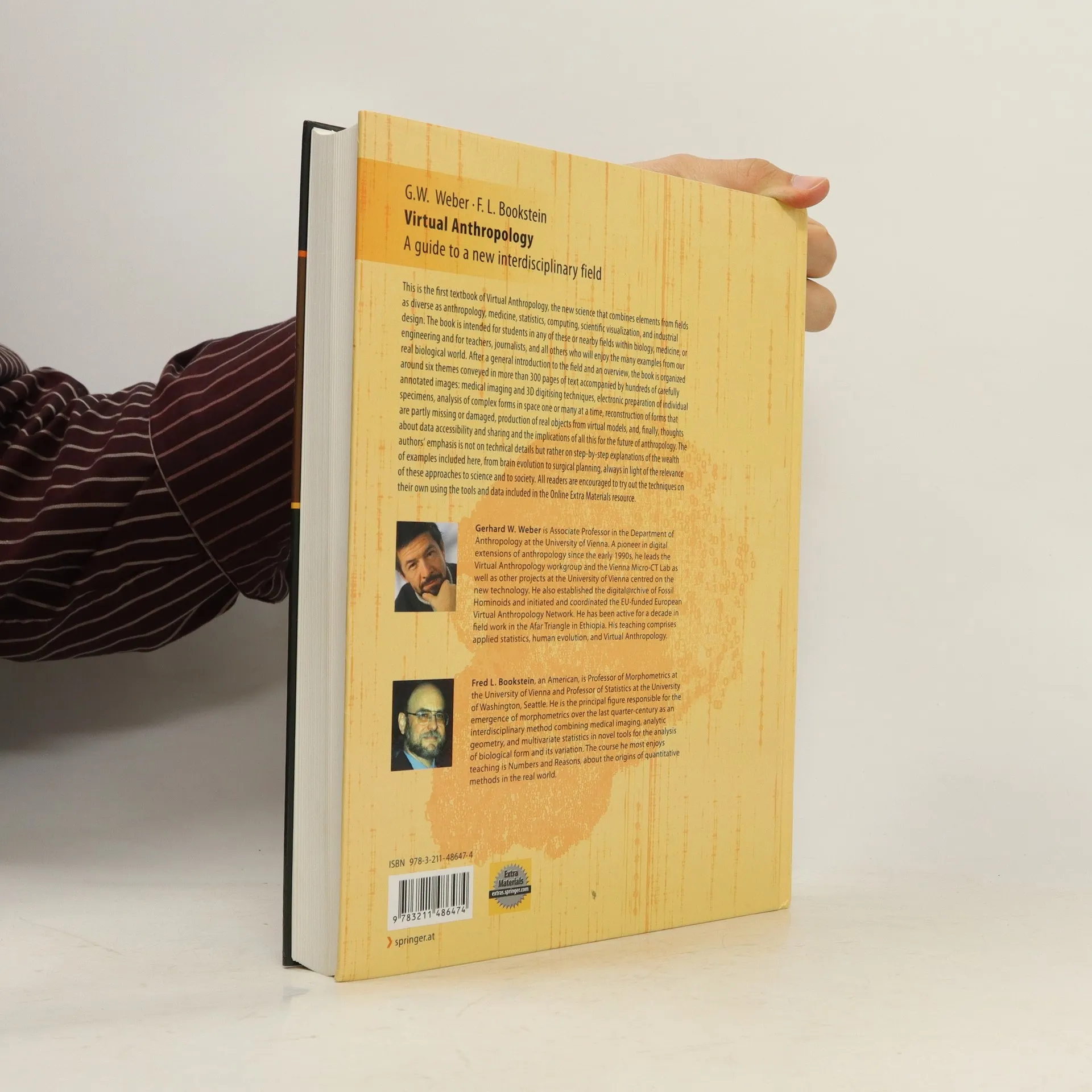
This is the first textbook of Virtual Anthropology, the new science that combines elements from fields as diverse as anthropology, medicine, statistics, computing, scientific visualization, and industrial design. The book is intended for students in any of these or nearby fields within biology, medicine, or engineering and for teachers, journalists, and all others who will enjoy the many examples from our real biological world. After a general introduction to the field and an overview, the book is organized around six themes conveyed in more than 300 pages of text accompanied by hundreds of carefully annotated medical imaging and 3D digitising techniques, electronic preparation of individual specimens, analysis of complex forms in space one or many at a time, reconstruction of forms that are partly missing or damaged, production of real objects from virtual models, and, finally, thoughts about data accessibility and sharing and the implications of all this for the future of anthropology. The authors' emphasis is not on technical details but rather on step-by-step explanations of the wealth of examples included here, from brain evolution to surgical planning, always in light of the relevance of these approaches to science and to society. All readers are encouraged to try out the techniques on their own using the tools and data included in the Online Extra Materials resource.


Zakup książki
Virtual Anthropology, Gerhard W. Weber, Fred L. Bookstein
- Język

- Rok wydania
- 2011
- Oprawa
- (twarda)
Metody płatności
Brakuje nam tutaj Twojej recenzji.
- Tytuł
- Virtual Anthropology
- Podtytuł
- A guide to a new interdisciplinary field
- Język
- angielski
- Autorzy
- Gerhard W. Weber, Fred L. Bookstein
- Wydawca
- Springer
- Rok wydania
- 2011
- Oprawa
- twarda
- Liczba stron
- 423
- ISBN10
- 321148647X
- ISBN13
- 9783211486474
- Seria
- Kategorie
- Ocena
- 1 z 5
- Opis
- This is the first textbook of Virtual Anthropology, the new science that combines elements from fields as diverse as anthropology, medicine, statistics, computing, scientific visualization, and industrial design. The book is intended for students in any of these or nearby fields within biology, medicine, or engineering and for teachers, journalists, and all others who will enjoy the many examples from our real biological world. After a general introduction to the field and an overview, the book is organized around six themes conveyed in more than 300 pages of text accompanied by hundreds of carefully annotated medical imaging and 3D digitising techniques, electronic preparation of individual specimens, analysis of complex forms in space one or many at a time, reconstruction of forms that are partly missing or damaged, production of real objects from virtual models, and, finally, thoughts about data accessibility and sharing and the implications of all this for the future of anthropology. The authors' emphasis is not on technical details but rather on step-by-step explanations of the wealth of examples included here, from brain evolution to surgical planning, always in light of the relevance of these approaches to science and to society. All readers are encouraged to try out the techniques on their own using the tools and data included in the Online Extra Materials resource.