

Parametry
- 352 strony
- 13 godzin czytania
Więcej o książce
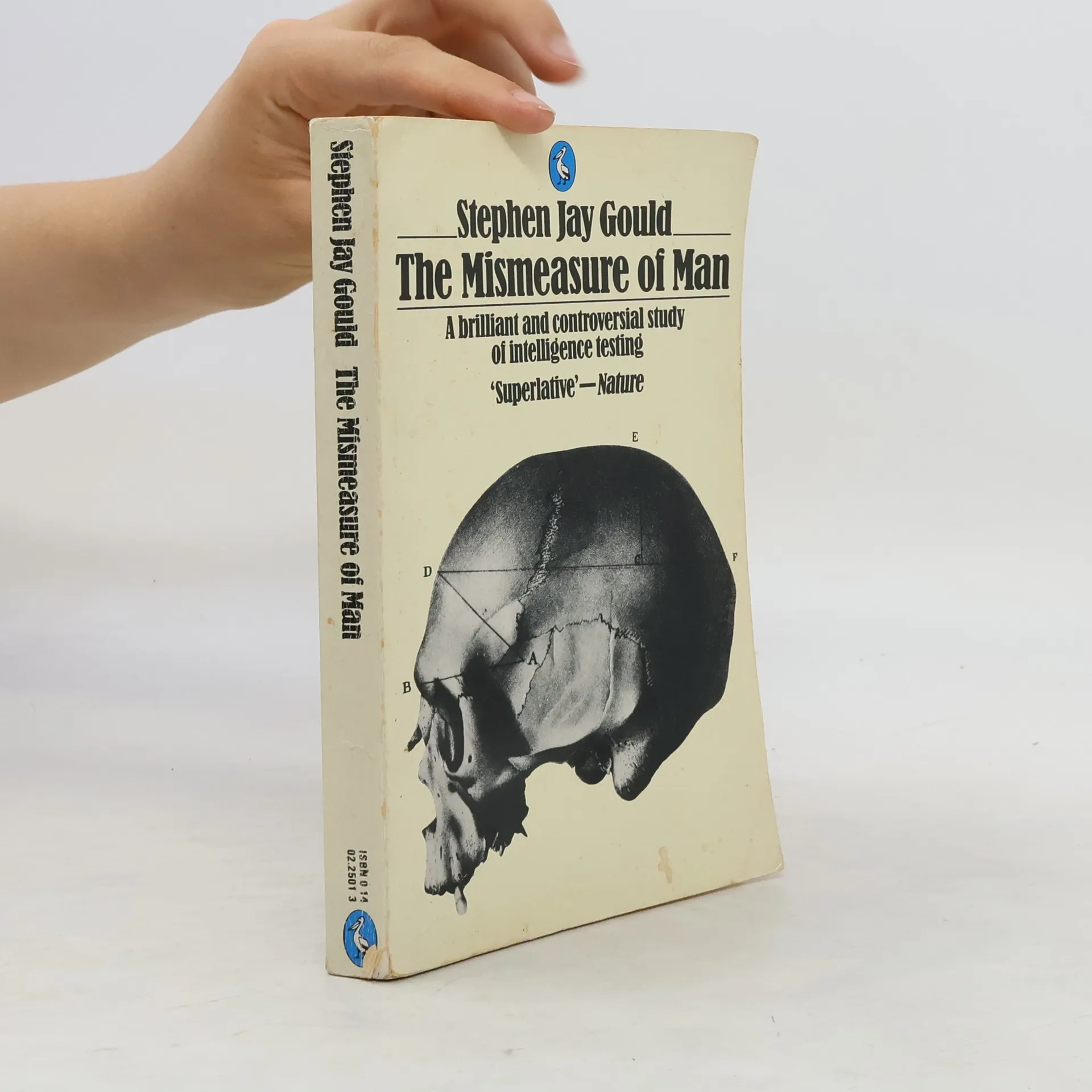
s/t: A Brilliant and Controversial Study of Intelligence Testing Can human intelligence be measured? Here the world-famous Harvard scientist Stephen Jay Gould makes a fascinating investigation. From nineteenth-century craniometry (literally, the measurement of skulls) to today's vastly sophisticated methods of IQ testing, he traces the history of scientists' attempts to assess human intelligence. Along the way, he tackles the fundamental problems: the very idea of measurement seems reductive, suggesting that biology is destiny; moreover, as he vividly demonstrates, scientists' theories have too often been dangerous reflections of their own personal motives and racial/class/sexual preferences. Elegantly written and tightly argued, this book exposes the fatal flaws in intelligence testing - a manner of measuring that has become one of the most potent ideas in modern life - and reaffirms the richness and variety of human potential.




Zakup książki
The Mismeasure of Man, Gould Stephen Jay
- Język

- Rok wydania
- 1984
- Oprawa
- (miękka)
Metody płatności
Brakuje nam tutaj Twojej recenzji.
- Tytuł
- The Mismeasure of Man
- Język
- angielski
- Autorzy
- Gould Stephen Jay
- Wydawca
- Pelican
- Rok wydania
- 1984
- Oprawa
- miękka
- Liczba stron
- 352
- ISBN10
- 0140225013
- ISBN13
- 9780140225013
- Seria
- Kategorie
- Tagi
- Tematy historyczne, Nauki przyrodnicze, Tematyka psychologiczna, Nauka, Rasa & Rasizm, Uprzedzenia, Dyskryminacja, IQ & Inteligencja, Teoria ewolucji, Nauka krytycznie
- Pierwsze wydanie
- 1981
- Oryginalna nazwa
- The Mismeasure of Man
- Ocena
- 4,05 z 5
- Opis
- s/t: A Brilliant and Controversial Study of Intelligence Testing Can human intelligence be measured? Here the world-famous Harvard scientist Stephen Jay Gould makes a fascinating investigation. From nineteenth-century craniometry (literally, the measurement of skulls) to today's vastly sophisticated methods of IQ testing, he traces the history of scientists' attempts to assess human intelligence. Along the way, he tackles the fundamental problems: the very idea of measurement seems reductive, suggesting that biology is destiny; moreover, as he vividly demonstrates, scientists' theories have too often been dangerous reflections of their own personal motives and racial/class/sexual preferences. Elegantly written and tightly argued, this book exposes the fatal flaws in intelligence testing - a manner of measuring that has become one of the most potent ideas in modern life - and reaffirms the richness and variety of human potential.