



Więcej o książce
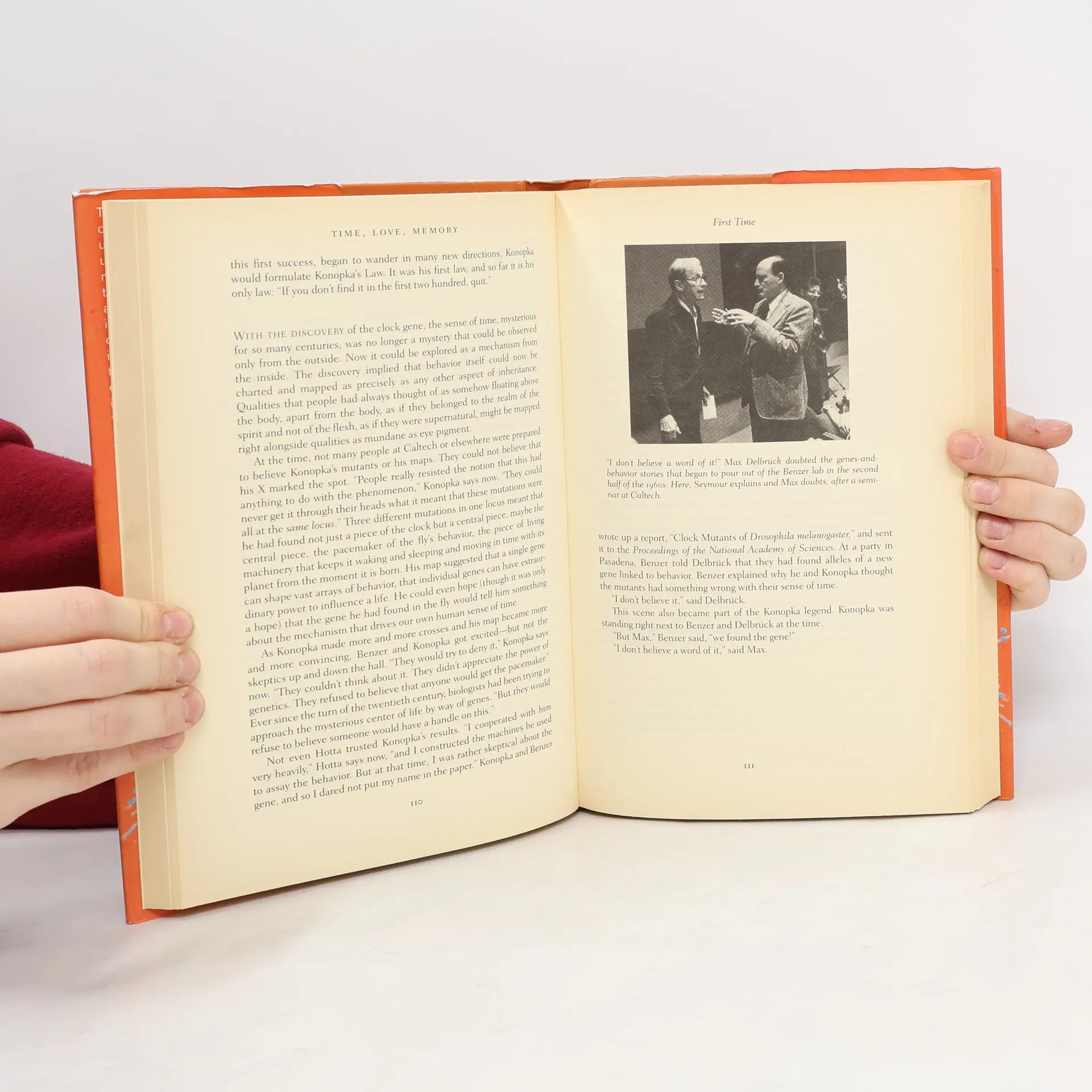
In the words of Jonathan Weiner, "Time, love, and memory are ... three cornerstones of the pyramid of behavior." While some resist viewing humans as mere machines, molecular biologists argue that behavior is largely genetically driven. Even skeptics acknowledge that molecular biology may transform our lives in the 21st century. Seymour Benzer and his students have studied the fruit fly, Drosophila, uncovering genes that influence our internal clocks, sexuality, and learning abilities. Weiner, whose previous work won a Pulitzer Prize, provides an affectionate history of this scientific evolution, highlighting the personalities involved—sharing haircuts to save on grant money, late-night lab sessions, and naming genes after Pavlov's dogs. However, the narrative also addresses ethical concerns and critiques the hype surrounding the human genome project, suggesting that the "clockwork" gene serves as a cautionary tale against attempts to improve upon nature's designs. Despite these complexities, the scientists’ human side shines through, and their enthusiasm for discovering answers to significant questions is both contagious and compelling. As Benzer aptly stated, "It's a wonderful, fabulous world, and it's been kicking around a long time."



Zakup książki
Time, Love, Memory, Jonathan Weiner
- Język

- Rok wydania
- 1999
- Oprawa
- (twarda)
Metody płatności
Brakuje nam tutaj Twojej recenzji.
- Tytuł
- Time, Love, Memory
- Podtytuł
- The Discovery of Behaviour Genes
- Język
- angielski
- Autorzy
- Jonathan Weiner
- Wydawca
- Alfred A. Knopf
- Rok wydania
- 1999
- Oprawa
- twarda
- Liczba stron
- 320
- ISBN10
- 0571196322
- ISBN13
- 9780571196326
- Seria
- Kategorie
- Ocena
- 4,2 z 5
- Opis
- In the words of Jonathan Weiner, "Time, love, and memory are ... three cornerstones of the pyramid of behavior." While some resist viewing humans as mere machines, molecular biologists argue that behavior is largely genetically driven. Even skeptics acknowledge that molecular biology may transform our lives in the 21st century. Seymour Benzer and his students have studied the fruit fly, Drosophila, uncovering genes that influence our internal clocks, sexuality, and learning abilities. Weiner, whose previous work won a Pulitzer Prize, provides an affectionate history of this scientific evolution, highlighting the personalities involved—sharing haircuts to save on grant money, late-night lab sessions, and naming genes after Pavlov's dogs. However, the narrative also addresses ethical concerns and critiques the hype surrounding the human genome project, suggesting that the "clockwork" gene serves as a cautionary tale against attempts to improve upon nature's designs. Despite these complexities, the scientists’ human side shines through, and their enthusiasm for discovering answers to significant questions is both contagious and compelling. As Benzer aptly stated, "It's a wonderful, fabulous world, and it's been kicking around a long time."