

Więcej o książce
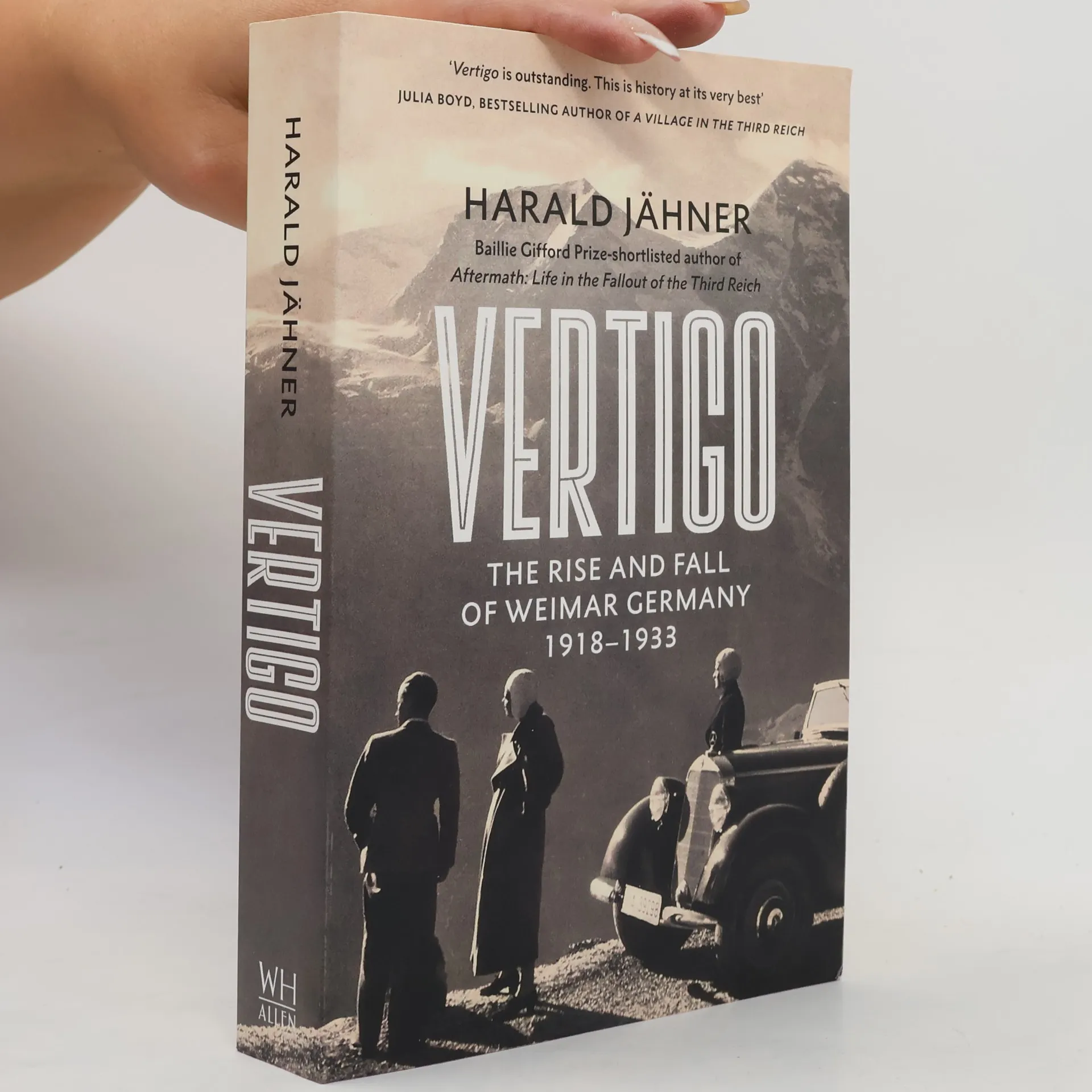
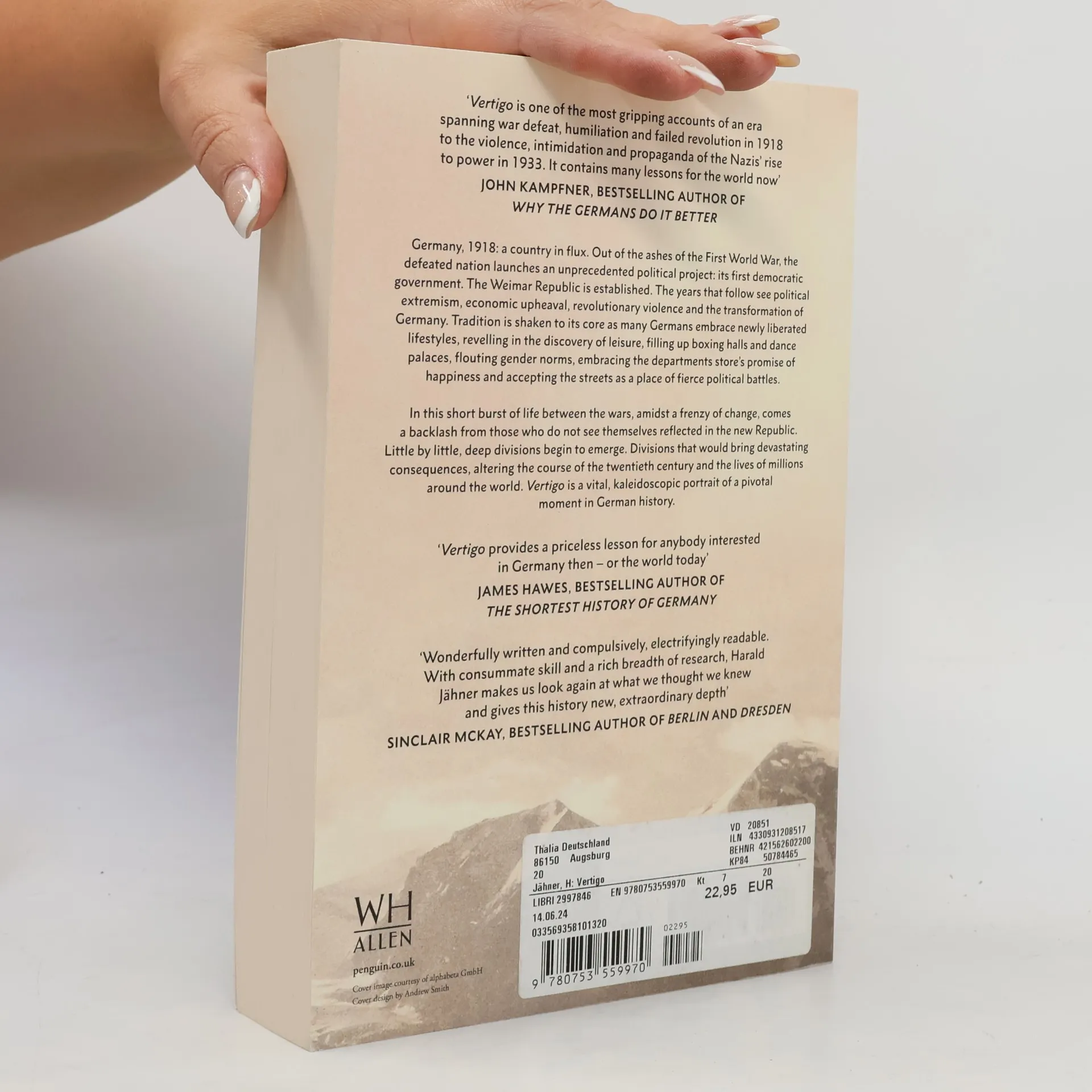
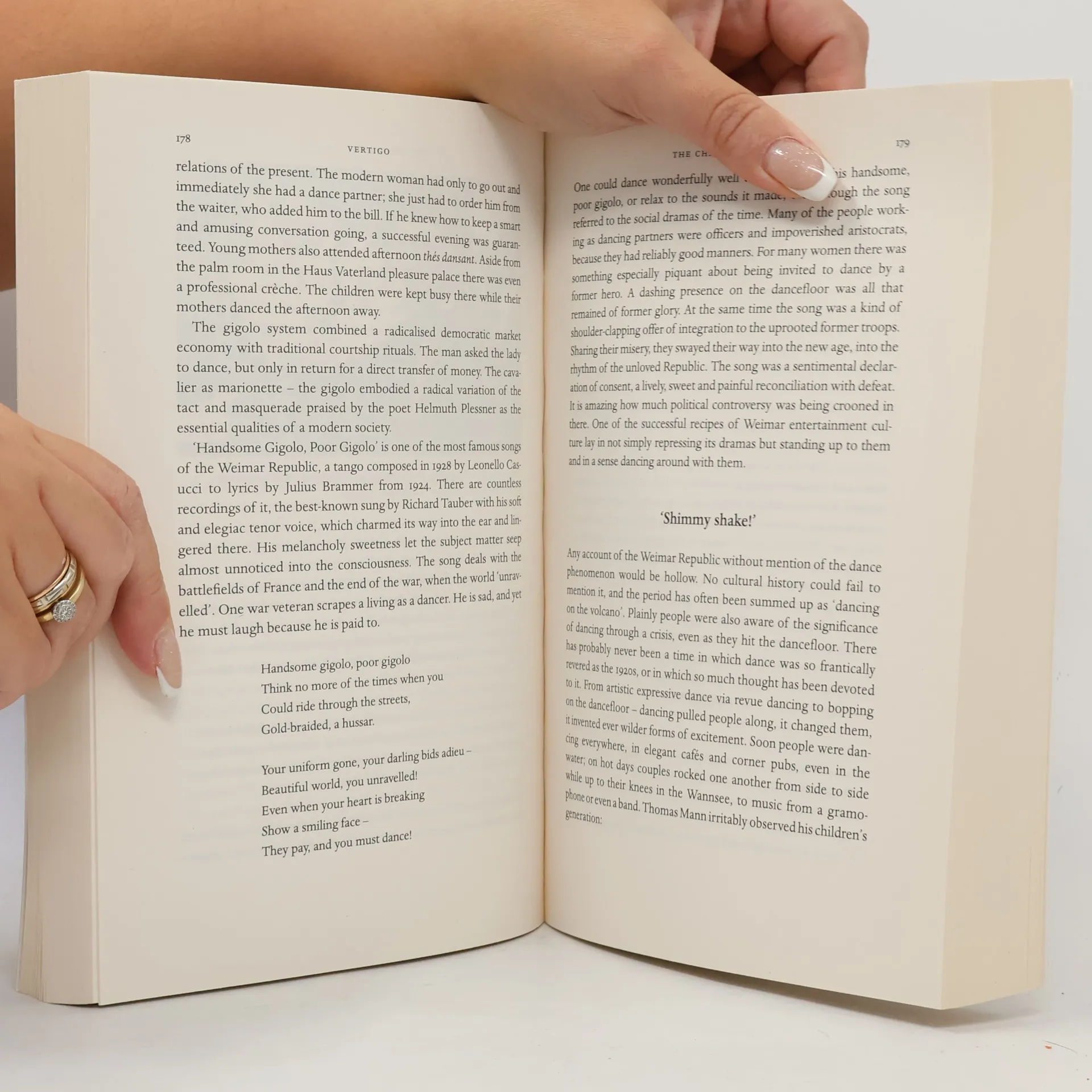
Germany, 1918. The end of World War I, revolution, and the triumph of democracy herald a new era of liberated lifestyles. Inflation shakes traditional values to their core. Everything is set to change: the "New Woman," the "New Man," "New Living," and "New Thinking." As the economy begins to recover in the mid-1920s, Germany transforms into a different country. Women conquer racetracks and tennis courts, venture out alone at night, cut their hair short, and eschew marriage. Unisex fashion becomes popular, embracing androgyny and experimentation. Jähner explores the invention of leisure, boxing halls, dance palaces, and the hotspots of this new age, from offices to urban traffic, and from department stores as symbols of happiness to streets as battlegrounds. Much of this feels strikingly modern today, with a penchant for irony and directness. Yet, there is also a fear of the "devaluation of all values" and the dominance of the cheap. A significant portion of the German populace felt alienated by this upheaval. As money grew scarce and the future dimmed, the deep societal divide became evident, revealing an inability to cope. Jähner provides a comprehensive view of this vibrant yet fractured time, portraying a nation filled with both immense and terrifying energies.



Zakup książki
Vertigo, Harald Jähner
- Język

- Rok wydania
- 2024
- Oprawa
- (miękka),
- Stan książki
- Bardzo dobry
- Cena
- 73,07 zł
Metody płatności
Brakuje nam tutaj Twojej recenzji.
- Tytuł
- Vertigo
- Język
- angielski
- Autorzy
- Harald Jähner
- Wydawca
- Random House UK Ltd
- Rok wydania
- 2024
- Oprawa
- miękka
- ISBN10
- 0753559978
- ISBN13
- 9780753559970
- Seria
- Kategorie
- Ocena
- 4,2 z 5
- Opis
- Germany, 1918. The end of World War I, revolution, and the triumph of democracy herald a new era of liberated lifestyles. Inflation shakes traditional values to their core. Everything is set to change: the "New Woman," the "New Man," "New Living," and "New Thinking." As the economy begins to recover in the mid-1920s, Germany transforms into a different country. Women conquer racetracks and tennis courts, venture out alone at night, cut their hair short, and eschew marriage. Unisex fashion becomes popular, embracing androgyny and experimentation. Jähner explores the invention of leisure, boxing halls, dance palaces, and the hotspots of this new age, from offices to urban traffic, and from department stores as symbols of happiness to streets as battlegrounds. Much of this feels strikingly modern today, with a penchant for irony and directness. Yet, there is also a fear of the "devaluation of all values" and the dominance of the cheap. A significant portion of the German populace felt alienated by this upheaval. As money grew scarce and the future dimmed, the deep societal divide became evident, revealing an inability to cope. Jähner provides a comprehensive view of this vibrant yet fractured time, portraying a nation filled with both immense and terrifying energies.